
NNPP Chairman Dismisses Kwankwaso Defection Rumors, Clarifies Position on Party’s Options The National Chairman of the New Nigerian Peoples Party (NNPP), Ajuji Ahmed, has dismissed speculations that the party’s 2023 presidential candidate, Rabiu Musa Kwankwaso, is planning to defect to the ruling All Progressives Congress (APC). Speaking during an interview on Arise Television, Ahmed described
NNPP Chairman Dismisses Kwankwaso Defection Rumors, Clarifies Position on Party’s Options
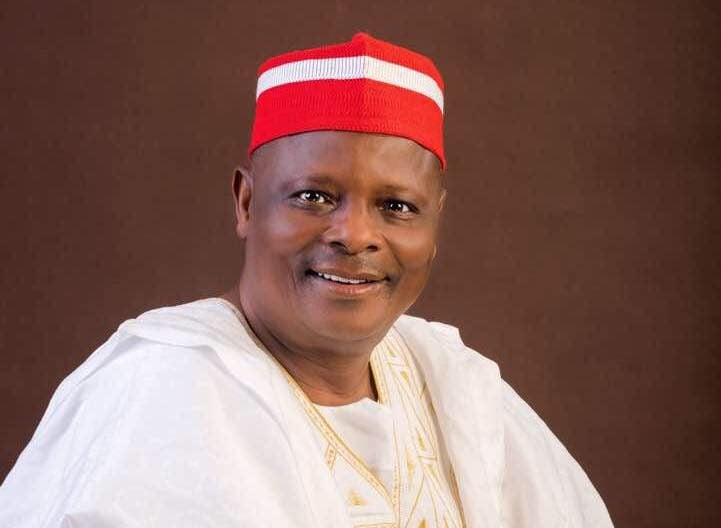
The National Chairman of the New Nigerian Peoples Party (NNPP), Ajuji Ahmed, has dismissed speculations that the party’s 2023 presidential candidate, Rabiu Musa Kwankwaso, is planning to defect to the ruling All Progressives Congress (APC). Speaking during an interview on Arise Television, Ahmed described the reports as misleading, insisting that Kwankwaso remains firmly within the NNPP and has not expressed any intention to abandon the party.
Ahmed clarified that while Kwankwaso recently made comments in Kano that fueled speculations, those remarks were misinterpreted. According to him, Kwankwaso merely outlined one of the strategic options available to the NNPP as it considers its future, which includes exploring coalitions with other parties. He stressed that Kwankwaso’s statement did not amount to a declaration of defection.
Jake Paul vs Anthony Joshua Fight Still Possible, Says Nakisa Bidarian
Kwankwaso’s Remarks Taken Out of Context
The NNPP chairman explained that Kwankwaso’s comments in Kano were not a signal of departure but an illustration of the possible directions the party could pursue ahead of future elections.
“I don’t think so. I don’t think what he said indicated in any way that he is defecting or about to defect,” Ahmed said, stressing that the party remains committed to building its structures nationwide.
He outlined three clear options before the NNPP:
- Independent Path – To continue as a standalone political force, consolidating its growing base of supporters and preparing to contest future elections without external alliances.
- Coalition – To form a coalition with another political party that shares similar values, objectives, and philosophy, in order to strengthen democratic participation and influence.
- Strategic Partnerships – To engage other parties for discussions while ensuring that any potential collaboration secures the interests of NNPP members, rather than focusing solely on individual gains.
According to Ahmed, Kwankwaso’s reference to the APC fell under the coalition or partnership option, not as an indication of outright defection.
Conditions for Engagement with APC
Ajuji Ahmed further explained that Kwankwaso’s stance was conditional and rooted in protecting the party’s broader membership. He noted that Kwankwaso’s words in Kano suggested that he would only consider paying attention to overtures from the APC if the ruling party provided a concrete guarantee that NNPP members’ interests would be safeguarded.
“Kwankwaso only said that if the APC invites his attention, he will give them the attention on the condition that they offer a concrete guarantee that the interests of his party members will be taken care of instead of just him being talked to,” Ahmed clarified.
This, he argued, shows that Kwankwaso’s loyalty lies with his supporters and party structures, not personal political ambition.
NNPP’s Political Standing Since 2023
The NNPP, under Kwankwaso’s leadership, made significant inroads in the 2023 general elections, particularly in the northern part of the country. Kwankwaso himself emerged as a major third-force candidate, winning strong support in Kano and other northern states, where his grassroots movement, the Kwankwasiyya, remains highly influential.
Since then, there have been persistent rumors of defections and alignments involving Kwankwaso, given his history with both the APC and the Peoples Democratic Party (PDP). However, Ahmed insisted that the NNPP remains focused on consolidating its achievements and expanding its political base across Nigeria.
The chairman emphasized that forming alliances or entering coalitions is not unusual in Nigeria’s political landscape but stressed that any such move would be strategic and not a hasty defection.
Coalition Politics and Nigeria’s Democracy
Analysts have long argued that Nigeria’s political terrain is dominated by two major parties—the APC and PDP—making it difficult for smaller parties to thrive without forming coalitions. For the NNPP, a party that is rapidly positioning itself as a viable third force, coalition politics may become a necessity in future elections.
Ahmed acknowledged this reality but emphasized that the NNPP is determined to negotiate from a position of strength. By keeping all options on the table, the party aims to remain relevant and influential in shaping the country’s democratic direction.
He also dismissed the idea that Kwankwaso is politically restless or opportunistic, instead describing him as a leader committed to ensuring that his party members enjoy political relevance and representation.
Reactions to the Clarification
The NNPP chairman’s clarification has already generated discussions among political observers. Some believe the statement was necessary to douse growing speculation of Kwankwaso’s possible return to the APC. Others note that while Ahmed’s words reinforce party loyalty, the reality of coalition politics means that the NNPP cannot completely shut its doors against engagement with larger political platforms.
Supporters of the NNPP welcomed the clarification, insisting that Kwankwaso remains the face of the party and that his leadership is crucial for its continued growth. Meanwhile, members of the ruling APC are reportedly watching developments closely, with some voices within the party expressing openness to potential collaborations with Kwankwaso in the future.
The NNPP chairman’s dismissal of defection rumors puts to rest, at least for now, the speculation surrounding Rabiu Kwankwaso’s political future. Ahmed’s insistence that Kwankwaso has not expressed any intention to leave the NNPP underscores the party’s determination to remain an independent and credible political force.
However, by leaving the door open to possible coalitions with like-minded parties, the NNPP acknowledges the realities of Nigeria’s political environment. For Kwankwaso, the focus appears to remain on strengthening his party and protecting the interests of its members rather than seeking personal political advancement.
As Nigeria looks ahead to future elections, the NNPP’s strategic options—and Kwankwaso’s role in them—will remain a subject of keen interest to political stakeholders nationwide.









Leave a Comment
Your email address will not be published. Required fields are marked with *