
Dangote Refinery to Begin Free Direct Fuel Shipping to Nigerian Retailers Africa’s largest oil refinery, the Dangote Refinery, will from Friday commence direct and free shipping of fuel to retailers in Nigeria, a landmark move expected to reshape the country’s petroleum sector. The plan, according to the refinery’s management, is designed to boost efficiency
Dangote Refinery to Begin Free Direct Fuel Shipping to Nigerian Retailers
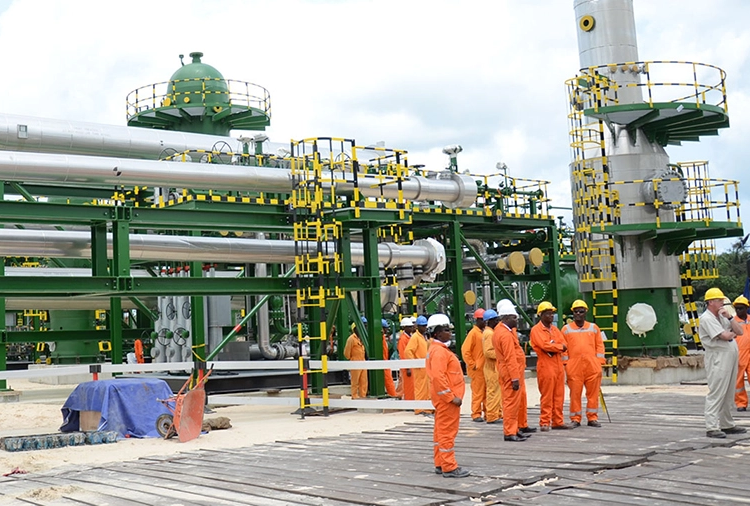
Africa’s largest oil refinery, the Dangote Refinery, will from Friday commence direct and free shipping of fuel to retailers in Nigeria, a landmark move expected to reshape the country’s petroleum sector.
The plan, according to the refinery’s management, is designed to boost efficiency by bypassing intermediaries and providing petrol stations and other retailers with more competitive pricing. This approach is expected to reduce distribution costs, improve supply reliability, and potentially lower fuel prices for consumers.
The 650,000-barrel-per-day capacity refinery, owned by Africa’s richest man, Aliko Dangote, officially launched in 2023. It has since been instrumental in easing fuel scarcity and driving down pump prices, which had spiked sharply following the Federal Government’s removal of fuel subsidies.
NLC Threatens Nationwide Strike Over Alleged 40% Diversion Of Pension Funds
Nigeria’s Oil Sector: An Overview
Crude oil remains the backbone of Nigeria’s economy. First discovered in 1956 in the Niger Delta, the country now produces an average of 1.5 million barrels per day, according to OPEC — still short of its two million bpd target.
Oil contributes around 62% of Nigeria’s export earnings and forms a substantial portion of government revenue. However, the industry has long been beset by structural challenges, including high production costs, corruption, and persistent environmental degradation.
Decades of Crisis in the Industry
The cost of producing crude in Nigeria hovers around $30 per barrel, three times higher than in Saudi Arabia, largely due to aging infrastructure and operational inefficiencies. This makes Nigerian oil less competitive globally, particularly when market prices are volatile.
The sector is also plagued by widespread oil theft—known locally as “bunkering”—which has deterred foreign investment. Many international oil companies have sold their onshore assets, citing insecurity and operational risks.
Nigeria’s four state-owned refineries, with a combined capacity of 445,000 bpd, have for years been crippled by poor maintenance and graft. As a result, the country has historically exported crude for refining abroad, only to re-import finished products at a higher cost—a cycle that led to frequent fuel shortages before the Dangote Refinery came onstream.
Breaking the Middleman Monopoly
Analysts say the Nigerian fuel market was previously dominated by politically connected middlemen who profited from importation. SBM Intelligence’s Ikemesit Effiong noted that these interests had little incentive to support domestic refining.
However, President Bola Tinubu’s decision to remove fuel subsidies in 2023, although initially triggering a more than fivefold increase in pump prices, set the stage for market reforms. Prices have since moderated, partly due to improved local refining capacity.
Dangote’s New Distribution Strategy
As part of its expansion, Dangote Refinery will deploy 4,000 compressed natural gas-powered trucks to distribute petroleum nationwide, replacing a logistics chain long dominated by over 20,000 diesel-powered tankers.
According to Dangote Group spokesperson Anthony Chiejina, the initiative will cut distribution costs, improve fuel access, and help reduce inflationary pressures by stabilizing supply.
However, the Independent Petroleum Marketers Association of Nigeria (IPMAN) has expressed concern over the potential creation of a monopoly. While they acknowledge the efficiency gains, they warn that pump price reductions may not be as significant as anticipated.
Industry Players Feel the Impact
Major oil marketing companies have already felt the ripple effects of Dangote’s presence in the market. Oando Group reported a 15% revenue drop in the first half of 2025, attributing the decline to reduced petrol imports caused by increased local refining.
Its Group CEO, Wale Tinubu, who is also President Tinubu’s nephew, described the shift as a “positive development” for Nigeria’s energy security and self-sufficiency, despite the short-term revenue impact.
Similarly, TotalEnergies Marketing Nigeria recorded lower half-year revenues, underscoring the market disruption caused by the new refining capacity.
Meanwhile, another privately owned refinery is under construction by billionaire Abdulsamad Rabiu of BUA Group, which could further diversify domestic supply.
Environmental and Safety Concerns
Despite Nigeria’s oil wealth, the sector has been marred by environmental pollution, especially in the Niger Delta, where oil spills have devastated fishing and farming communities.
While oil companies often blame leaks on vandalism by criminal gangs tapping pipelines, local communities have long complained of inadequate compensation and remediation.
Road safety also remains a major issue, with frequent accidents involving fuel tankers. Many of these incidents turn deadly when residents rush to scoop up spilled fuel, a reflection of the country’s economic hardships despite its petroleum resources.
The Dangote Refinery’s direct-to-retail free shipping plan marks a significant shift in Nigeria’s petroleum supply chain, with the potential to drive down costs, improve efficiency, and challenge entrenched interests.
If implemented successfully, the initiative could further reduce Nigeria’s reliance on imported refined products, strengthen energy security, and offer a more competitive market environment.
However, concerns over market dominance, environmental sustainability, and equitable distribution of benefits will likely remain central to industry debates in the coming months.













Leave a Comment
Your email address will not be published. Required fields are marked with *