
Pressure Mounts on Tinubu to Remove Matawalle as U.S. Reportedly Insists on Exit of Defence Ministers Before Security Cooperation The political atmosphere in Abuja has intensified as pressure mounts on President Bola Ahmed Tinubu to remove the Minister of State for Defence, Bello Matawalle, following reports that the United States government has requested the exit
Pressure Mounts on Tinubu to Remove Matawalle as U.S. Reportedly Insists on Exit of Defence Ministers Before Security Cooperation
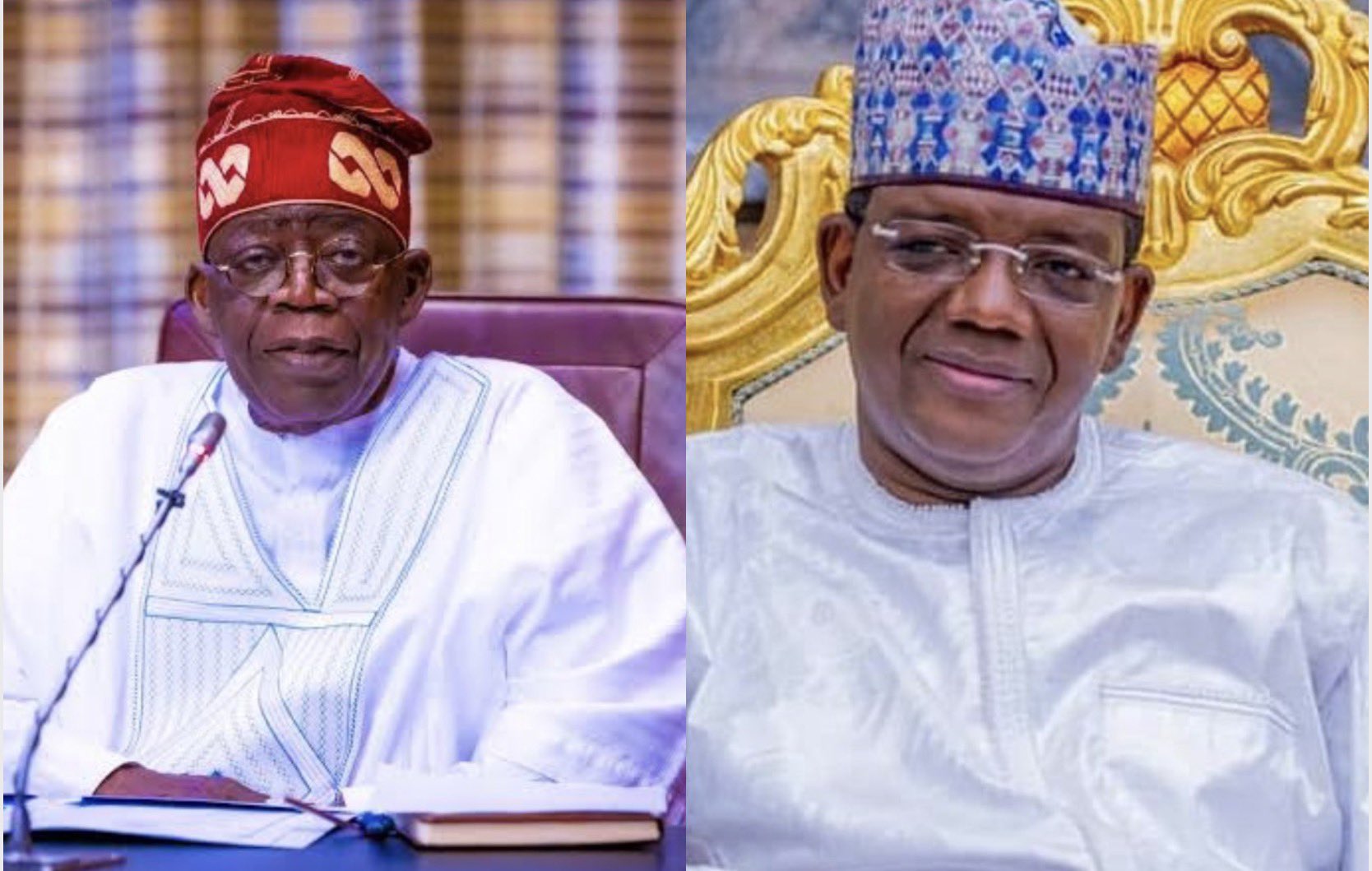 The political atmosphere in Abuja has intensified as pressure mounts on President Bola Ahmed Tinubu to remove the Minister of State for Defence, Bello Matawalle, following reports that the United States government has requested the exit of both of Nigeria’s defence ministers before committing to deeper security cooperation with the country.
The development follows the reported resignation of the Minister of Defence, Alhaji Mohammed Badaru Abubakar, a move sources said was in line with U.S. expectations communicated through diplomatic channels. According to information obtained by SaharaReporters, the United States demanded the removal of both Badaru and Matawalle as a condition for meaningful collaboration with Nigeria in areas including counter-terrorism, arms support, training, and advanced intelligence sharing.
POSTPARTUM DEPRESSION: A Hidden Crisis Affecting Nigerian Mothers
Although the Federal Government has not officially confirmed the alleged communication from Washington, multiple insiders across security and diplomatic circles told journalists that the U.S. made it clear that certain issues surrounding Nigeria’s defence leadership needed to be addressed before any broad partnership could proceed.
Why the U.S. Is Involved
Sources familiar with the discussion said the United States expressed concern about the effectiveness, transparency, and operational coherence of Nigeria’s defence management. According to them, Washington believes that deeper cooperation — especially in sensitive areas like drone operations, real-time intelligence, special forces training, and equipment transfer — requires a defence leadership it considers fully aligned with international security standards.
“This is not unusual,” one diplomatic analyst noted. “Whenever the U.S. is preparing to invest heavily in counter-terrorism support, it insists on leadership clarity. They want partners they can trust, agencies that communicate properly, and a chain of command that is stable.”
Nigeria is currently seeking stronger security partnerships with Western governments to combat terrorism, banditry, kidnapping, and violent extremist groups that have expanded across several northern states. With insurgent networks becoming more coordinated, the Tinubu administration has expressed interest in modern surveillance systems, long-range aerial support, and improved counter-terror training — areas where U.S. cooperation could be decisive.
Badaru’s Resignation: The First Step
The reported resignation of Mohammed Badaru, who served as the senior minister overseeing defence, is widely seen as the first major step toward addressing the concerns raised by the U.S. While the presidency has yet to make an official comment, insiders say Badaru’s exit was not a simple administrative decision.
“One minister is already out,” a senior government source revealed. “What is left is whether the President will bow to pressure regarding Matawalle.”
According to this source, the U.S. allegedly did not differentiate between the two ministers in its request, insisting that both must step aside to pave the way for what they describe as a comprehensive reset of Nigeria’s defence structure.
The Focus Now Shifts to Matawalle
With Badaru gone, all eyes are now on Bello Matawalle, the former governor of Zamfara State who currently serves as Minister of State for Defence. Matawalle has long been a controversial figure, especially due to his political battles in Zamfara and public disagreements with security agencies during his tenure as governor.
Analysts say Tinubu is now caught between two difficult choices: either retaining Matawalle to avoid political backlash — especially from the North-West — or removing him to secure long-term security cooperation with a global superpower.
Political observers note that Matawalle holds strategic political influence in Zamfara and remains an important figure in the president’s broader northern political coalition. Removing him may stir discontent within parts of the ruling All Progressives Congress (APC), particularly among stakeholders who see his ministerial position as a balancing tool.
However, security experts argue that Nigeria’s current situation — worsening kidnapping, rising armed group activities, attacks on rural communities, and pressure on military resources — requires deeper international support, especially from a country with the military capacity of the U.S.
Government Yet to Respond Formally
So far, the presidency has not issued an official statement clarifying whether such a request was indeed made by the United States. The Ministry of Defence has also remained silent, fueling speculation.
A senior presidential aide, who preferred not to be named, said discussions are ongoing and that the president is weighing several options.
“President Tinubu understands the sensitivity of this matter. He knows that security cooperation with the U.S. could significantly boost Nigeria’s fight against terrorism. But he also understands the political consequences of letting go of a minister as prominent as Matawalle,” the official said.
What Comes Next?
Analysts believe that the next few days will be crucial. If Washington formally sets its conditions in writing, the Tinubu administration may have no choice but to act — particularly as Nigeria seeks advanced drones, surveillance technology, special operations training, and diplomatic backing.
For now, Nigeria waits. Will President Tinubu sacrifice political convenience for security cooperation? Will Matawalle remain in office despite rising domestic and international pressure?
The coming days may define the next chapter in Nigeria-U.S. security relations and reshape the leadership of Nigeria’s defence establishment.













Leave a Comment
Your email address will not be published. Required fields are marked with *