
Proposed Lagos Tenancy Law: Government Moves to Regulate Agents, Cap Commissions, and Enforce Stricter Penalties By Newsworld Nigeria The Lagos State Government is set to introduce sweeping reforms in the real estate and housing sector through a new Tenancy Regulation Bill currently under consideration at the Lagos State House of Assembly. The proposed law seeks
Proposed Lagos Tenancy Law: Government Moves to Regulate Agents, Cap Commissions, and Enforce Stricter Penalties
By Newsworld Nigeria
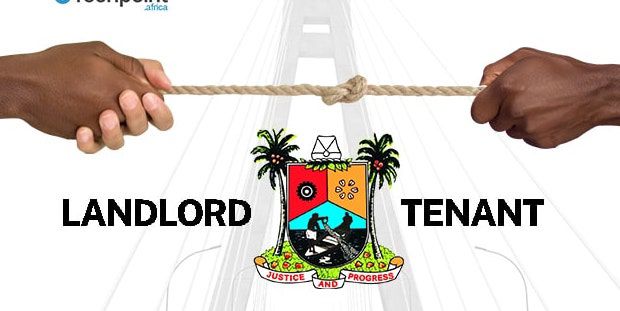
The Lagos State Government is set to introduce sweeping reforms in the real estate and housing sector through a new Tenancy Regulation Bill currently under consideration at the Lagos State House of Assembly. The proposed law seeks to regulate the activities of estate agents, curb exploitation of tenants and landlords, and ensure greater transparency and accountability in property transactions across the state.
We Will Approve ₦1.1trn For Debt Settlement, Says Akpabio As Senate Assures Protesting Contractors
According to the draft document, the new law builds upon the Lagos State Real Estate Regulatory Authority (LASRERA) Law 2021, and strengthens the regulatory framework for real estate operations. The bill targets key issues such as unregistered agents, excessive agency charges, dual representation, and fraudulent practices that have long plagued the property market in Lagos.
Mandatory Registration of Real Estate Agents
One of the most significant provisions in the proposed legislation is found in Section 3(1), which stipulates that “anyone engaged as an agent, whether by landlord or tenant, must be duly registered under the Lagos State Real Estate Regulatory Authority (LASRERA) Law 2021.”
This means that every individual or company offering real estate or tenancy services within Lagos State must obtain formal certification from LASRERA before engaging in any property transaction. The move aims to eliminate quackery and ensure that only trained, traceable, and accountable professionals operate within the real estate market.
Officials from LASRERA have consistently emphasised that unregistered agents are one of the main causes of real estate fraud in the state. Many residents have fallen victim to fake agents who collect rent or commissions and disappear, leaving both landlords and tenants stranded. The proposed law therefore seeks to institutionalise professionalism and restore public confidence in the housing sector.
Cap on Agent Commission
In another landmark provision, the bill seeks to cap agency commissions at 5 percent of one year’s rent, as stated in Section 3(4).
This clause directly addresses the common practice of agents demanding excessive commissions from tenants and landlords — a practice that has contributed to the high cost of renting apartments in Lagos. By setting a legal ceiling, the state government intends to bring fairness and uniformity to real estate transactions.
Housing analysts have hailed this measure as a “people-centered policy” that will ease the financial burden on tenants, especially at a time when inflation and the rising cost of living are making rent payments increasingly difficult for average Lagosians.
Criminalisation of Sharp Practices
The proposed tenancy bill also introduces punitive measures against agents and landlords who engage in fraudulent or unethical practices. Under Section 3(5), dual collection, overcharging, or failure to remit funds collected on behalf of clients will become criminal offenses.
The section prescribes penalties of up to ₦1 million in fines or two years’ imprisonment, or both, for offenders. The Lagos State Real Estate Regulatory Authority will be empowered to investigate complaints, impose sanctions, and refer serious cases for prosecution.
These provisions are expected to serve as a deterrent to fraudulent practices that have tarnished the reputation of the property sector and discouraged legitimate investors.
Government’s Position
Speaking on the proposed reform, officials from the Lagos State Ministry of Housing and LASRERA said the move aligns with Governor Babajide Sanwo-Olu’s commitment to sanitising the housing sector and protecting residents from exploitation.
A senior LASRERA official noted that the bill will “create a transparent and accountable real estate environment where tenants, landlords, and agents can operate in mutual trust.” The government also believes that the proposed regulation will help formalise real estate operations and improve internally generated revenue through licensing and registration compliance.
Stakeholders’ Reactions
The bill has sparked mixed reactions among stakeholders in the real estate industry. While tenants’ associations and consumer rights advocates have commended the government for addressing long-standing exploitation, some property managers and agents have expressed reservations.
According to them, capping commissions at 5 percent could limit their earnings, especially for agents who handle properties with high administrative or maintenance costs. Others, however, argue that the cap will promote healthy competition and encourage professionalism.
Real estate consultant, Mr. Dele Adenuga, described the proposal as “a bold step toward bringing sanity to an unregulated sector,” adding that “for too long, Lagosians have been at the mercy of unregistered middlemen who exploit both sides in a rental transaction.”
Broader Impact on Housing Regulation
The proposed Lagos Tenancy Law represents another step in the state’s broader effort to reform its housing sector and ensure compliance with global best practices. Lagos, being Nigeria’s most populous and economically vibrant state, faces constant housing pressure due to its growing population and urban migration.
By tightening oversight and standardising real estate operations, the government aims to improve service delivery, encourage investment, and ensure fair treatment for all parties involved in housing transactions.
If passed into law, the Lagos Tenancy Regulation Bill will become one of the most comprehensive tenancy frameworks in Nigeria. It will not only redefine the role of estate agents but also protect millions of Lagos residents from fraudulent practices, exorbitant fees, and legal uncertainties in property dealings.
The legislation underscores Lagos State’s determination to maintain order, fairness, and professionalism in one of the country’s most dynamic real estate markets — ensuring that housing transactions are transparent, regulated, and beneficial to all parties.
















Leave a Comment
Your email address will not be published. Required fields are marked with *