
The Olojo Festival in Ile-Ife: A Celebration of Dawn, Heritage, and Unity Olojo Festival In the ancient city of Ile-Ife, Osun State, the heartbeat of Yoruba civilization, one festival continues to unite past and present, myth and memory—the Olojo Festival. Known in Yoruba as “The Owner of the Day” or “The Day of the First
The Olojo Festival in Ile-Ife: A Celebration of Dawn, Heritage, and Unity
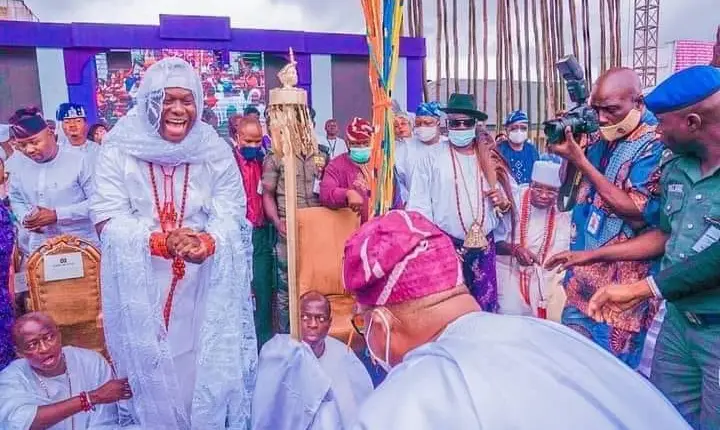
Olojo Festival In the ancient city of Ile-Ife, Osun State, the heartbeat of Yoruba civilization, one festival continues to unite past and present, myth and memory—the Olojo Festival. Known in Yoruba as “The Owner of the Day” or “The Day of the First Dawn,” this cultural treasure pays homage to Ogun, god of iron and war, and to Oduduwa, the progenitor of the Yoruba race. It dramatizes the first breaking of light at creation, a reminder of humanity’s beginnings and the renewal of peace, strength, and unity.
Every September, Ile-Ife becomes a stage where spirituality, history, and joy intertwine. Crowds from across Nigeria and beyond pour into the city, not merely as tourists but as participants in a living story that stretches back centuries.
How Tenants Can Access 20% Rent Relief Of N500,000 Under The New Nigeria Tax Act
Origins and First Dawn
The Olojo Festival’s roots run deep, tracing back to the 10th–15th centuries during the reign of Ogun Oniru, the third Ooni of Ife. Legend tells that when Oduduwa descended to earth, the world was shrouded in darkness until Ogun, his first son, used iron tools to clear paths and bring order. This act birthed humanity’s “first dawn,” the very essence Olojo celebrates.
In earlier centuries, the festival was a strictly spiritual affair—priests, chiefs, and the Ooni alone performed secluded rites. Over time, as Yoruba kingdoms grew and external influences came, Olojo evolved into a larger public celebration. Yet its spiritual core remains intact, blending myth, memory, and meaning.
When It Happens
Traditionally, Olojo is held in the last week of September, aligning with lunar cycles and the harvest season. It has always been a season of gratitude, as Ogun’s iron tools were essential for farming and building.
For example, in 2024, the festival spanned September 26–30, featuring ritual cleansings, youth talent hunts, and prayers for peace. In 2019, however, Olojo was held in February due to calendar adjustments, showing its flexibility while retaining its sacredness.
The 2025 edition promises both continuity and change—rituals preserved alongside new features like a 5km road race and youth colloquia to engage the younger generation.
 Rituals, Crown, and Past Events
The Olojo Festival unfolds like a sacred drama, its highlights echoing past events both spiritual and communal.
- The Ooni’s Seclusion: For centuries, every Ooni has gone into seclusion before Olojo, fasting and communing with ancestral spirits. In 2022, Ooni Adeyeye Enitan Ogunwusi reportedly prayed in seclusion for peace in Nigeria amid rising insecurity. His emergence in public was greeted with thunderous drums, as people believed his purified spirit carried divine authority.
- Wearing the Aare Crown: The crown, said to be inherited from Oduduwa, weighs nearly 100 kg and is forged from 149 iron objects. In 2017, when the Ooni donned it during Olojo, crowds surged forward, circling their heads in prayer. Many testified that year of blessings in business and health, cementing belief in the crown’s mystical power.
- Community Cleansing: In earlier times, Olojo was believed to ward off epidemics. During the 1918 influenza outbreak, oral history recalls that Olojo rituals were intensified to seek Ogun’s protection. In modern times, the tradition continued during the COVID-19 pandemic (2020–2021), when processions emphasized prayers for healing and safety, drawing parallels with past plagues.
- Masquerades and Drumming: Beyond spirituality, Olojo has always been about joy. In 2015, the streets of Ife erupted with over 50 masquerades, each telling a different story of Yoruba deities. Drums like the Osirigi and Bembe reverberated into the night, creating an atmosphere where sacred worship met social celebration.
- Political and Social Prayers: The Ooni often uses Olojo as a platform for national unity. In 2021, his prayers during Olojo centered on ending youth unemployment and insecurity, drawing dignitaries and traditional leaders from across Nigeria. This mirrored older times when Oonis prayed for victory in wars or fruitful harvests.
These past events reveal Olojo’s dual role: as a spiritual compass guiding the people through crises and as a cultural celebration that strengthens identity and resilience.
Participants and Unity in Action
The Olojo Festival brings together a diverse cast:
- The Ooni of Ife, spiritual leader and custodian of Yoruba tradition, who channels divine authority through seclusion and the Aare crown.
- Chiefs and Priests, who perform age-old dances, oaths, and sacrifices, preserving Ife’s ancient order.
- Community Families, each compound contributing songs, prayers, and processions, ensuring inclusivity.
- Youth and tourists engage in new programs like colloquia and road races, blending heritage with modern vitality.
- Sponsors and Global Visitors, including diaspora communities, join the celebration, reaffirming the festival’s international appeal.
Why Olojo Matters
Spiritually, Olojo renews vows to Olodumare (Supreme Creator), invokes ancestral blessings, and secures protection for the community. Culturally, it dramatizes Yoruba myths, preserving traditions for younger generations. Socially, it binds clans and communities, echoing Oduduwa’s palm tree with its 16 branches—each branch representing unity within diversity.
Economically, the festival boosts tourism and commerce. From 2018–2023, local hotels, markets, and artisans consistently reported increased earnings during Olojo. Beadmakers, drummers, and food vendors thrive as Ife becomes a hub of cultural tourism.
Politically, Olojo has long served as a platform for peace. In 1993, following national unrest, the Ooni at the time prayed during Olojo for Nigeria’s unity—a tradition continued in modern times whenever the country faces crisis.
Looking Ahead: Olojo 2025 and Beyond
The Olojo Festival of 2025 is set to blend ancient rites with new innovations. Alongside traditional rituals—the Ooni’s seclusion, the wearing of the Aare crown, and the grand procession—will come events like the road race, cultural lectures, and global talent showcases. These additions aim to keep Olojo relevant for younger generations while expanding its international reach.
Yet at its core, Olojo will remain what it has always been: a festival of dawn, heritage, and unity. A reminder that after darkness comes light, after hardship comes renewal.
When the Ooni emerges wearing the Aare crown, Ile-Ife does not merely celebrate—it proclaims its role as the spiritual cradle of the Yoruba, where the first dawn broke and where each new dawn continues to shine.















Leave a Comment
Your email address will not be published. Required fields are marked with *