
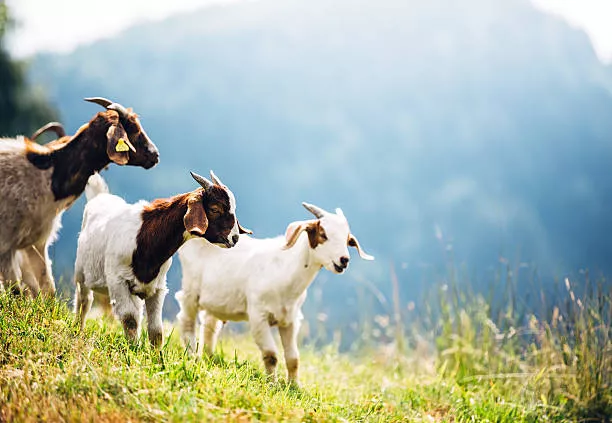
The main goal of goat farming is to raise goats for commercial use. Among the agribusinesses that provide a good return on investment is this one. Goats can be raised for their meat, milk, or food. Food Security: Goat meat is an excellent source of protein, which is necessary for human nutrition. Goats can also
The main goal of goat farming is to raise goats for commercial use. Among the agribusinesses that provide a good return on investment is this one. Goats can be raised for their meat, milk, or food.
Food Security: Goat meat is an excellent source of protein, which is necessary for human nutrition. Goats can also be raised for their milk, either for human consumption or to produce dairy products like butter and cheese.
Health Benefits: Compared to other red meats, goat meat is leaner, lower in cholesterol, and incredibly nutritious.
Goat meat is used to prepare special delicacies such as pepper soup, barbeque, or nkwobi.
Goat milk contains antibodies that can help alleviate symptoms of certain health conditions.

Economic Benefits: Since goat farming gives many farmers, especially those in rural regions, a source of income, it also has financial advantages in terms of income generation. This is in the same way that it gives people jobs in the fields of marketing, feeding, and breeding. Goat farming has the potential to provide foreign exchange through the export of its meat and byproducts like leather and hair.
Environmental Benefits: By keeping weeds and bushes under control, goats lower the chance of wildfires and preserve the equilibrium of the ecosystem. In the same way that goat feces are a useful supply of manure to regenerate the soil for organic cultivation of food crops, goat grazing can assist prevent soil erosion by preserving vegetation cover.
Social Benefits: Goats have cultural and traditional significance especially in rural areas where they form essential source of meat during festivals and other ceremonies.
Getting Started
Research: The best way to start is to familiarise yourself with goat farming practices.
Learn something about the local market and your potential competitors.
Decide your area of specialisation – meat or milk production, or breeding.
Business Plan: Create a business plan, stating clearly your goals, sources of finances, and marketing strategies.
Breeding: Select quality goats from reputable farms. Ensure that the type of breed you select is suitable to your environment.
Shelter: Ensure that your shelter for the goats is well secured by fencing it round if possible.
Provide shades where they stay during adverse weather. Make proper provision for pasture. Provide sources of water and drainage.
Nutrition and Care: Develop a feeding plan. Goats feed mainly on grass, kitchen wastes and feeds.
Maintain clean water and hygiene. Vaccinate and deworm regularly. Provide suitable housing.
Marketing and Sales: Identify potential customers in your area – restaurants, markets, supermarkets, boarding schools, hospitals.
You can market your goat products online and locally. Build relationships across your community.
Continuous Learning: Attend workshops, join goat farmers associations to learn and get updates in the field.
Profitability Goat farming plays a vital role in promoting economic growth, food security, environmental sustainability, and social well-being.
The high demand for goats during festivals such as Christmas and end of year parties and other occasions attest to its profitability.
During the last Christmas, an average-sized goat was going for N150,000 to N200,000.
Goats feed on grass which does not cost much like in poultry farms which mainly depend on exorbitant feeds.

















Leave a Comment
Your email address will not be published. Required fields are marked with *