
Presidency Dismisses ‘Nigeria on the Verge of Collapse’ Claim, Says Hunger Figures are Projections. ABUJA – The Presidency has firmly rejected claims that Nigeria is on the brink of collapse and that 33 million Nigerians are at risk of hunger, describing such assertions as exaggerated and misleading. The rebuttal came from Sunday Dare, Special Adviser
Presidency Dismisses ‘Nigeria on the Verge of Collapse’ Claim, Says Hunger Figures are Projections.
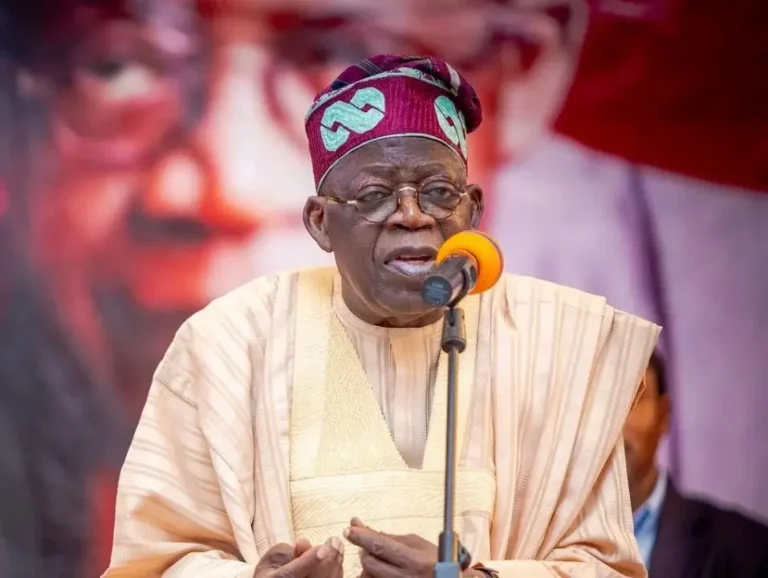
ABUJA – The Presidency has firmly rejected claims that Nigeria is on the brink of collapse and that 33 million Nigerians are at risk of hunger, describing such assertions as exaggerated and misleading.
The rebuttal came from Sunday Dare, Special Adviser to President Bola Tinubu on Media and Public Communications, in response to a recent Daily Trust editorial titled “Nigeria is Collapsing under Tinubu’s Watch.” In a statement issued on Thursday, Dare accused the newspaper of fuelling unnecessary public anxiety and misrepresenting the state of the nation.
Oxfam Raises Alarm Over Deepening Inequality In Nigeria: 83 Million Poor, 10% Control 90% Of Wealth
Presidency Says Hunger Figures are Misinterpreted
Addressing one of the editorial’s central claims, Dare clarified that the figure of 33 million Nigerians supposedly at risk of hunger is not a confirmed reality but rather a projection based on the Cadre Harmonisé report—a regional analytical tool used to predict potential food insecurity.
“The claim that 33 million Nigerians are at risk of hunger is a projection, not a confirmed reality,” Dare emphasised. “Projections are meant to guide policy interventions, not to be weaponised in creating panic or portraying the country as collapsing.”
Government Interventions Highlighted
Dare pointed out that the Tinubu administration has been implementing a series of measures aimed at stabilising the economy and mitigating hardship. These include:
- Release of grains and staples from national food reserves to cushion the effects of rising food prices.
- Ongoing agricultural programs to boost local production and reduce dependence on imports.
- Cash transfer initiatives targeted at vulnerable households to provide immediate relief.
He argued that these steps demonstrate a government actively engaged in problem-solving rather than presiding over national decline.
Economy ‘Showing Signs of Stability’
On the economy, Dare said there are positive indicators that the government’s policies are beginning to yield results. He noted improvements in the exchange rate, with the naira regaining value against the US dollar, and expressed optimism that the economic trajectory would strengthen further in 2026 as ongoing tax reforms and social intervention programmes gain momentum.
“The economic fundamentals are stabilising,” he said. “Yes, we have challenges, but to claim the country is collapsing is to ignore the progress being made.”
Criticism Welcome, But Not Fear-Mongering
Dare maintained that the administration is open to constructive criticism, provided it is rooted in factual analysis and not in what he called “alarmist narratives.”
“Criticism is welcome, but it must be rooted in truth, not fear-mongering,” he said. “It is the duty of responsible journalism to inform accurately and offer balanced perspectives, especially in challenging times.”
He warned that sensational reporting could undermine public morale and erode trust in national institutions, which are crucial in addressing current challenges.
Background: Rising Public Concerns
The Daily Trust editorial had argued that economic hardship, insecurity, and weak governance were driving the country toward collapse under Tinubu’s watch. It cited rising food prices, unemployment, and widespread poverty as indicators of worsening conditions.
It also referenced recent warnings from humanitarian agencies and international bodies about Nigeria’s growing food insecurity, with millions potentially facing severe hunger in the coming year.
While the Presidency does not deny the existence of economic and social difficulties, Dare stressed that the scale and certainty of these projections are being overstated.
Tinubu’s Policy Direction
Since taking office in May 2023, President Bola Tinubu has embarked on major economic reforms, including the removal of fuel subsidies and the unification of foreign exchange rates — both of which initially triggered inflationary pressures and a sharp cost-of-living increase.
The administration argues that these steps, though painful in the short term, are necessary to lay the groundwork for long-term economic stability. In parallel, the government has pledged to increase investment in agriculture, infrastructure, and social safety nets to ease the transition period.
Dare reiterated that these policies are already showing early signs of progress, particularly in exchange rate stability and revenue mobilisation through tax reforms.
Balancing Realism with Optimism
The presidency’s stance reflects an effort to counter what it sees as overly pessimistic portrayals of Nigeria’s outlook. Dare acknowledged that hardships remain but urged citizens to recognize the government’s efforts and remain optimistic about the country’s recovery path.
“The reality is that Nigeria is facing challenges—economic, social, and security-related—but the narrative of imminent collapse is simply not supported by facts,” he concluded.
With hunger projections sparking debate and public anxiety, the Tinubu administration appears intent on reframing the national conversation from one of crisis to one of cautious recovery, urging both the media and the public to focus on factual assessments rather than alarmist interpretations.













Leave a Comment
Your email address will not be published. Required fields are marked with *