
FEC Imposes Seven-Year Ban on New Federal Tertiary Institutions The Federal Executive Council (FEC) has approved a sweeping seven-year moratorium on the establishment of new federal tertiary educational institutions in Nigeria. The decision, announced by Minister of Education, Dr. Tunji Alausa, covers universities, polytechnics, and colleges of education, and aims to address the duplication of
FEC Imposes Seven-Year Ban on New Federal Tertiary Institutions
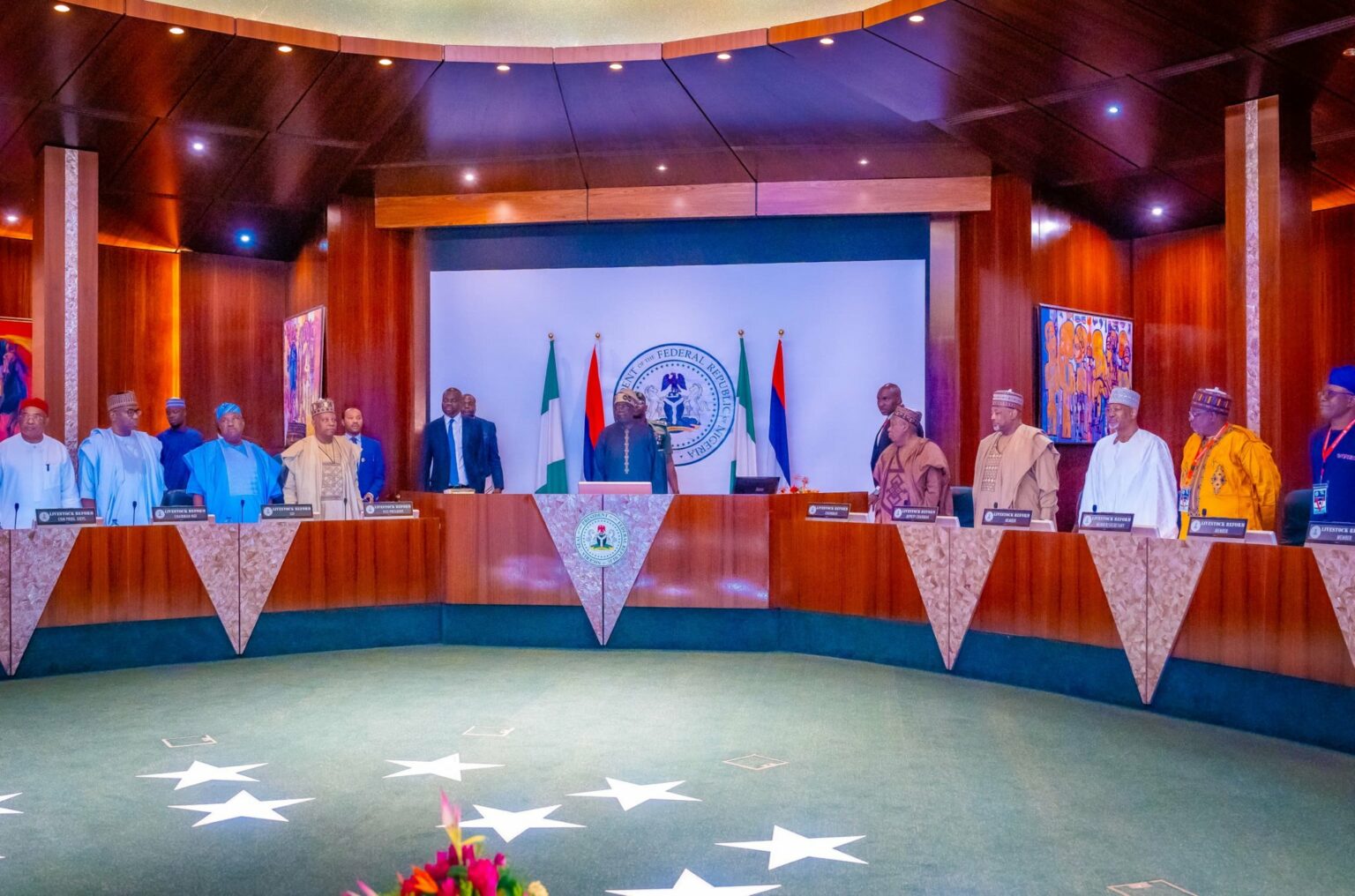
The Federal Executive Council (FEC) has approved a sweeping seven-year moratorium on the establishment of new federal tertiary educational institutions in Nigeria. The decision, announced by Minister of Education, Dr. Tunji Alausa, covers universities, polytechnics, and colleges of education, and aims to address the duplication of institutions and the inefficiencies plaguing the sector.
Speaking after the council meeting, Alausa said Nigeria’s education challenge was no longer about access to federal tertiary education but about improving quality and eliminating waste. He stressed that the proliferation of federal institutions had stretched government resources thin, leading to deteriorating infrastructure and a shortage of qualified manpower.
“This is simply not sustainable,” Alausa said. “We must focus on upgrading existing institutions, improving physical infrastructure, and expanding capacity. Our goal is to ensure Nigerian graduates maintain — and enhance — the global respect they have earned.”
Pastor, Ifa Priest Clash Over Secrecy In Yoruba Monarchs’ Burial Traditions
Overcrowding the System with Underused Institutions
Nigeria’s tertiary education network is vast, comprising 72 federal universities, 108 state universities, and 159 private universities, alongside numerous polytechnics, colleges of education, monotechnics, and specialized institutions in agriculture, health sciences, and innovation.
However, Alausa pointed out that many institutions operate well below capacity. Data from the 2024–2026 academic sessions revealed that of 2.1 million applicants to Nigerian tertiary institutions, 199 universities received fewer than 99 applications each, and 34 universities had no applicants at all.
Similar patterns were seen in other sectors: 295 polytechnics attracted fewer than 99 applicants, 219 colleges of education had minimal interest, and 64 colleges recorded zero applicants.
“This is a gross misallocation of resources,” Alausa said. “In one case in the northern region, a federal university had fewer than 800 students but over 1,200 staff members. Such situations are neither economically sustainable nor educationally productive.”
Redirecting Focus to Quality and Capacity Building
According to Alausa, the moratorium is a corrective measure to halt the indiscriminate creation of institutions without adequate planning or demand. Instead, the federal government will channel resources toward improving existing universities, polytechnics, and colleges of education.
This will include upgrading facilities, boosting staff recruitment and training, and enhancing research capacity. The plan also aims to increase the carrying capacity of institutions so they can absorb more students without compromising academic standards.
“Life is dynamic, and so must our education system be,” Alausa explained. “We will not allow the proliferation of institutions to undermine our graduates’ employability or the international respect for Nigerian education.”
He also warned that failure to act now could lead to higher graduate unemployment and a weakened economy due to the growing number of graduates lacking the life skills necessary to contribute meaningfully.
Approving Backlog of Private Universities
In the same breath, FEC approved the establishment of nine new private universities. Addressing concerns over an apparent contradiction, Alausa clarified that these approvals were part of a longstanding backlog within the National Universities Commission (NUC).
“Some of these applications have been pending for over six years. Investors had already built campuses and invested billions of naira, but inefficiencies at the NUC delayed approvals,” he said.
The Ministry of Education, he added, has since reformed the process, deactivating over 350 inactive private university applications and tightening approval guidelines. Currently, 79 private university applications are active, with only nine receiving final approval this week.
Going forward, the moratorium will also extend to new private universities, polytechnics, and colleges of education. No new approvals will be granted unless applicants meet the newly established standards.
President Tinubu’s Support for Reform
Alausa expressed gratitude to President Bola Tinubu for his “unwavering commitment” to education reform. He said the president’s political will has been instrumental in pursuing policies that prioritise quality over quantity in Nigeria’s higher education sector.
“The president fervently believes in providing every Nigerian with the highest quality of education, comparable anywhere in the world,” Alausa noted. “His dedication has been key in advancing these reforms.”
With the moratorium now in place, attention will shift to rehabilitating existing institutions and ensuring they are fit to produce graduates capable of competing globally. The Ministry of Education intends to work closely with tertiary institutions, regulatory bodies, and stakeholders to review curricula, improve infrastructure, and enhance student support systems.
Alausa emphasised that the reforms are not aimed at stifling educational development but at creating a sustainable, high-quality system. “If we do not address these inefficiencies now, we risk producing graduates who cannot compete in the job market or contribute meaningfully to national development,” he said.
The seven-year freeze marks one of the most decisive policy moves in Nigeria’s recent educational history, signalling a shift from expansion to consolidation — and from chasing numbers to prioritising quality.

















Leave a Comment
Your email address will not be published. Required fields are marked with *