
ADC Condemns Proposed Pay Rise for Nigerian Political Office Holders The African Democratic Congress (ADC) has strongly criticized the proposal by the Revenue Mobilisation Allocation and Fiscal Commission (RMAFC) to increase the salaries of Nigeria’s political office holders. The party described the move as “tone-deaf” and a clear affront to the suffering Nigerian populace,
ADC Condemns Proposed Pay Rise for Nigerian Political Office Holders
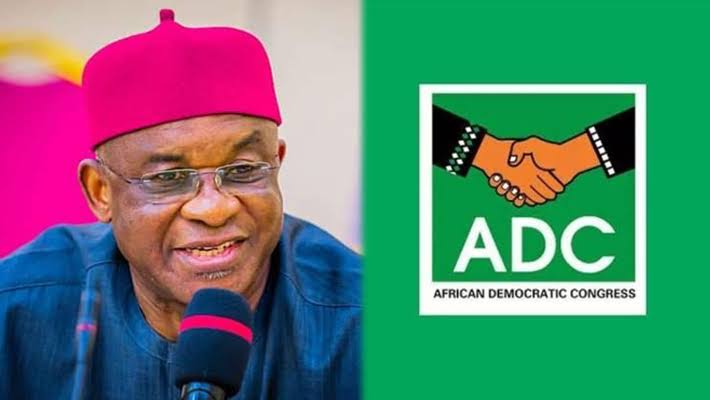
The African Democratic Congress (ADC) has strongly criticized the proposal by the Revenue Mobilisation Allocation and Fiscal Commission (RMAFC) to increase the salaries of Nigeria’s political office holders. The party described the move as “tone-deaf” and a clear affront to the suffering Nigerian populace, who are grappling daily with inflation, high fuel prices, and inadequate wages.
The proposed salary review would grant substantial increases to the President, Vice President, Senate President, governors, and other top political officials, a development that the ADC insists highlights how disconnected the political class has become from the realities faced by ordinary Nigerians.
Makinde Approves Senator Rashidi Ladoja As 44th Olubadan Of Ibadanland
ADC’s Official Statement
In a strongly worded statement issued by its National Publicity Secretary, Mallam Bolaji Abdullahi, the party condemned the timing and intent of the proposed increases. While acknowledging RMAFC’s constitutional role to periodically review the emoluments of public office holders, the ADC maintained that such a review at this point in Nigeria’s economic struggles was highly insensitive.
“The African Democratic Congress (ADC) strongly condemns the plan by the Revenue Mobilisation Allocation and Fiscal Commission (RMAFC) to increase the salaries of political office holders, including the President, Vice President, Senate President, governors, and other top officials,” the statement read.
It continued: “We are aware of the Commission’s constitutional mandate to periodically review relevant emoluments of political office holders in the country. However, proposing such review at a time when millions of Nigerians are struggling with soaring food inflation, high cost of fuel, inadequate and largely unpaid minimum wage would indicate a total disregard for the people.”
Allowances vs. Realities of Ordinary Nigerians
The ADC challenged the justification offered by RMAFC, whose chairman described the current salary structure of political leaders as “inadequate, unrealistic, and outdated.” According to the ADC, this argument collapses when weighed against the lavish perks and allowances already enjoyed by office holders.
“These salaries are already supplemented with sundry bogus and opaque allowances, perks, and other discretionary funds, which together far exceed what ordinary Nigerians earn. How else are the political office holders able to support their lifestyle of luxury and opulence if indeed these ‘outdated’ salaries mean anything to them?” Abdullahi queried.
The statement contrasted the extravagant earnings of politicians with the plight of civil servants and private sector workers who earn far less, with no allowances to cushion rising costs.
The Minimum Wage Paradox
For perspective, the ADC pointed to Nigeria’s national minimum wage of N70,000 per month, which in real terms has been heavily eroded by inflation. The party emphasized that the value of the wage is grossly inadequate to cover basic living expenses such as food, transportation, and housing.
“Unlike public office holders, most Nigerians do not receive additional allowances or emoluments to cushion the effects of the rising costs of living. This is why this proposed plan to increase the salaries of public office holders is not only tone-deaf, it is an all-out affront to the Nigerian people,” the party stressed.
The ADC added that the timing of the proposal demonstrates how disconnected the political class is from the daily struggles of the people.
ADC’s Demands
In response, the ADC called for the immediate suspension of the proposed pay increase. The party urged the government to prioritize citizens’ welfare over political elites’ comforts.
“No such increase should be implemented while ordinary citizens are grappling with extreme financial hardship,” the statement declared. “Government should focus on improving the lives of the people rather than improving the salaries of the President and other political office holders who already live in obscene indulgence.”
The ADC further argued that political leaders cannot expect citizens to sacrifice when they themselves are shielded from economic hardship.
“Government has no moral right to demand sacrifice from ordinary citizens while they focus on making lives easier for themselves. Political office holders cannot be insulated from economic hardships while the everyday Nigerian suffers,” it added.
A Call for Pro-People Policies
Looking ahead, the ADC outlined its vision for policies that would better serve the Nigerian populace. Instead of enriching the already privileged political class, the party insisted that government should:
- Raise the minimum wage to a truly living standard that reflects current economic realities.
- Ensure timely and fair payment of salaries for civil servants across federal, state, and local government levels.
- Strengthen social welfare programs to target the most vulnerable Nigerians, especially in light of the rising cost of living.
The party stressed that Nigeria’s leadership must demonstrate empathy and accountability by redirecting public resources toward citizens’ welfare rather than increasing the luxuries of those already in power.
Public Reactions and Wider Implications
The ADC’s condemnation reflects a growing wave of discontent across the nation. Civil society groups, labor unions, and ordinary citizens have also expressed outrage at the idea of increasing politicians’ salaries while workers struggle to survive. Analysts warn that implementing such a plan could further erode public trust in government at a time when confidence is already low.
For many Nigerians, the debate underscores a broader concern: the widening gap between the ruling class and the people. The ADC’s position, therefore, aligns with widespread calls for government to prioritize equity, fairness, and social justice in policymaking.
In conclusion, the ADC’s rejection of the proposed salary hike sends a powerful message about accountability and governance in Nigeria. By highlighting the stark contrast between the extravagant privileges of the political elite and the daily struggles of ordinary Nigerians, the party has placed the issue squarely in the national conversation.
Whether or not the government heeds this call, the ADC has made clear that the path to genuine progress lies not in enriching leaders but in uplifting the people they claim to serve.














Leave a Comment
Your email address will not be published. Required fields are marked with *