
Atiku Abubakar Urges Comprehensive Electoral and Judicial Reforms Ahead of 2027 Elections Former Vice President of Nigeria, Atiku Abubakar, has called for sweeping reforms in the country’s electoral and judicial systems, stressing that credible elections cannot be achieved without institutional changes. In a statement personally signed and made available to Naija News on Thursday, Atiku
Atiku Abubakar Urges Comprehensive Electoral and Judicial Reforms Ahead of 2027 Elections
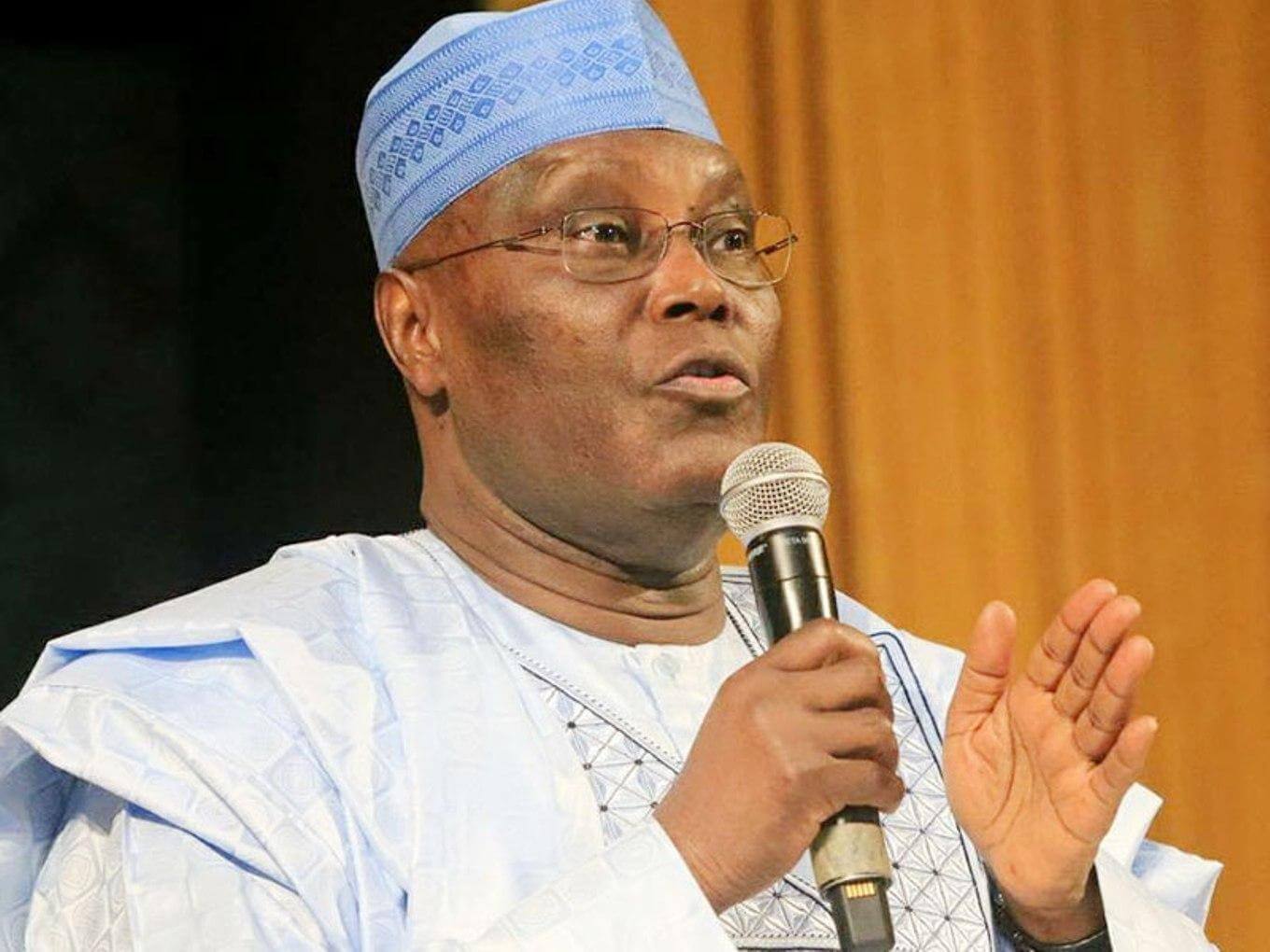
Former Vice President of Nigeria, Atiku Abubakar, has called for sweeping reforms in the country’s electoral and judicial systems, stressing that credible elections cannot be achieved without institutional changes. In a statement personally signed and made available to Naija News on Thursday, Atiku said the ongoing Continuous Voter Registration (CVR) exercise by the Independent National Electoral Commission (INEC) would only be meaningful if backed by reforms that guarantee electoral integrity.
Atiku commended the zeal of Nigerians participating in the CVR, describing it as proof of citizens’ determination to shape their future by choosing their leaders through the ballot. However, he warned that enthusiasm alone cannot ensure credible elections if systemic flaws remain unaddressed. He emphasized the need for urgent amendments to the 2022 Electoral Act, particularly making the electronic transmission of election results mandatory in 2027.
Adeleke Pledges Workers’ Welfare, Promises Soft Loan Scheme
Electoral Reforms Key to Restoring Public Trust
The former Vice President expressed concern over the declining voter turnout in Nigeria’s democratic process. He highlighted that out of 93.47 million registered voters in 2023, only 24.9 million participated in the presidential and National Assembly elections—just 26.72 percent, the lowest since Nigeria’s return to democracy in 1999.
“Something needs to be done to check this slide if citizens are to continue to have an appetite for the democratic processes and the prospects that it holds,” Atiku said. He argued that provisions around the Bimodal Voter Accreditation System (BVAS) and electronic result transmission must be enshrined firmly in law to prevent manipulation and inconsistency.
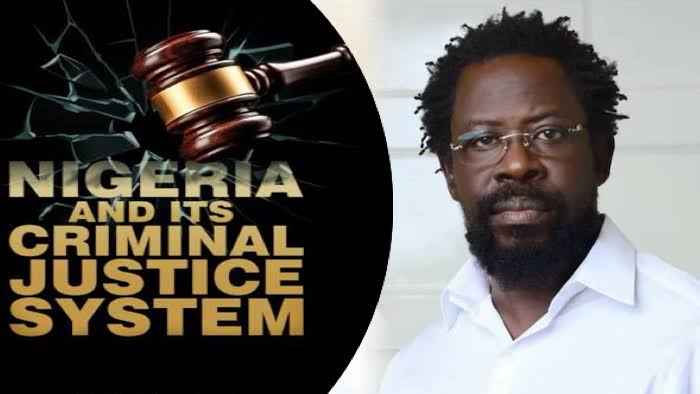
Citing Prof. Chidi Odinkalu’s book The Selectorate: When Judges Topple The People, Atiku warned that excessive judicial influence in determining electoral outcomes undermines voters’ power. According to him, reforms are necessary to stop elections from being decided in courts rather than polling booths.
Key Proposals for Electoral Integrity
Atiku’s reform blueprint covers nine critical areas of electoral conduct, all aimed at eliminating discretion and ensuring transparency. These include:
- Mandatory BVAS usage – for accreditation and uploading of results at polling units and collation centers, removing any option for manual accreditation.
- Compulsory electronic transmission of results – directly from polling units to INEC’s Result Viewing Portal (iREV), ruling out manual alternatives.
- Ward-level collation – based strictly on electronically transmitted results without manual intervention.
- Local Government collation – restricted to electronically transmitted ward results only.
- State collation – based solely on electronically transmitted results from local governments.
- National collation – reflecting electronically transmitted results from states, prohibiting manual handling.
- No manual processes allowed – at any stage of accreditation, transmission, or collation.
- Democratic appointment of INEC officials – with the positions of Chairman, Resident Electoral Commissioners, and National Commissioners subjected to public voting.
- INEC accountability in petitions – placing the burden of proving substantial compliance with the law on INEC, rather than on the petitioner.
Atiku argued that these provisions would restore confidence in Nigeria’s electoral system, eliminate manipulation, and return the power of leadership selection to the people.
Judicial Independence and Accountability
Beyond electoral reforms, Atiku stressed the need for judicial reforms to strengthen independence and curb excessive influence in electoral disputes. He pointed out that the increasing role of courts in determining winners of elections has weakened the legitimacy of electoral processes. According to him, reforms must ensure that judges act strictly within constitutional and legal boundaries, without becoming instruments for political manipulation.
He emphasized that democracy thrives when the people, not the judiciary or a small elite, decide who leads. “The envisaged electoral and judicial reforms will return the power to the people to choose their leaders and not a conclave of interested parties,” Atiku insisted.
Call for Action Ahead of 2027
With less than three years until the next general elections, Atiku urged lawmakers, civil society, and Nigerians at large to push for urgent reforms. He maintained that without decisive changes, the 2027 elections risk further eroding public trust in democracy.
The statement highlights Atiku’s continued advocacy for electoral justice and democratic accountability. By demanding mandatory electronic processes, stronger judicial independence, and more transparent appointments in INEC, he aims to build a system where every Nigerian vote counts and electoral credibility is no longer left to chance.
Atiku’s call serves as a reminder that democracy cannot flourish on enthusiasm alone—it requires strong institutions, robust laws, and unwavering commitment to fairness. With Nigerians already showing renewed interest through the CVR, the reforms he proposed could be decisive in shaping a more transparent and trustworthy 2027 election.















Leave a Comment
Your email address will not be published. Required fields are marked with *