
Nigeria Introduces 5% Fossil Fuel Surcharge, See how It’s Works. LAGOS, Nigeria – The Nigerian government has enacted a new 5% surcharge on fossil fuel products as part of the Nigeria Tax Administration Act, signed into law by President Bola Tinubu on June 26, 2025. Set to take effect on January 1, 2026, the
Nigeria Introduces 5% Fossil Fuel Surcharge, See how It’s Works.
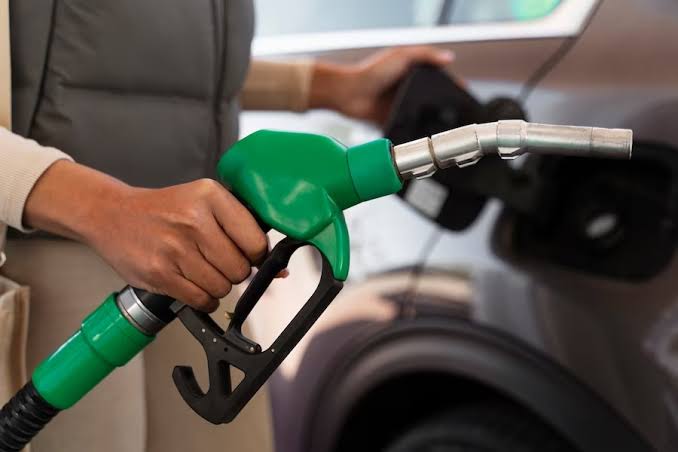 LAGOS, Nigeria – The Nigerian government has enacted a new 5% surcharge on fossil fuel products as part of the Nigeria Tax Administration Act, signed into law by President Bola Tinubu on June 26, 2025.
Set to take effect on January 1, 2026, the tax targets refined petroleum products such as petrol, diesel, and aviation fuel produced or imported in Nigeria, aiming to discourage fossil fuel consumption and boost revenue for sustainable development. The surcharge applies at the point of sale, meaning consumers will pay an additional 5% on the pump price of fossil fuels.
For instance, at an average petrol price of N850 per liter, the tax could add N42.50 per liter.
Every ₦10,000 worth of petrol or diesel, an additional ₦500 will be charged as tax
Based on 2024 consumption data from the Nigerian Midstream and Downstream Petroleum Regulatory Authority, which reported 18.75 billion liters of petrol consumed annually, the government could generate approximately N796 billion yearly from petrol alone, excluding other fuels like diesel and aviation fuel.
Nigeria’s Education System And the Diverse Paths To Business Success
Exemptions include clean or renewable energy products, household kerosene, cooking gas, and compressed natural gas (CNG), aligning with the government’s push for cleaner energy alternatives. The policy mirrors a carbon tax, designed to incentivize a shift toward sustainable energy sources, similar to Sweden’s carbon tax model introduced in the 1990s.
However, the surcharge has sparked concerns among Nigerians already grappling with high fuel prices following the 2023 removal of petrol subsidies, which saw prices rise from N200 to around N900-N1,000 per liter.
Industry players, including the Independent Petroleum Marketers Association of Nigeria, warn that the additional cost will likely be passed to consumers, potentially increasing transport and commodity prices. Critics argue that the flat 5% rate disregards income inequality, proposing a progressive tax based on consumption levels to protect vulnerable households and small businesses reliant on petrol-powered generators.
The government defends the policy as part of broader tax reforms to enhance fiscal transparency and reduce reliance on oil revenue. Yet, analysts note that the law does not specify how the revenue will be utilized, raising questions about transparency. Some suggest adopting a revenue-neutral approach, like Sweden and British Columbia, where funds are returned to citizens through tax cuts or rebates to cushion economic impacts.
As Nigeria navigates this transition, the surcharge signals a commitment to climate goals but risks further straining citizens amidst economic challenges. The government has been urged to provide clear guidelines on revenue use and support for CNG adoption to ensure a smoother shift to cleaner energy.
















Leave a Comment
Your email address will not be published. Required fields are marked with *