
The New Yam Festival: Africa’s Ancient Harvest Celebration Before The Birth Of Jesus Christ New Yam Festival In the heart of West Africa, long before the birth of Jesus Christ, farming communities had already created one of the region’s most enduring traditions—the New Yam Festival. More than just a feast, the festival is a sacred
The New Yam Festival: Africa’s Ancient Harvest Celebration Before The Birth Of Jesus Christ
New Yam Festival In the heart of West Africa, long before the birth of Jesus Christ, farming communities had already created one of the region’s most enduring traditions—the New Yam Festival. More than just a feast, the festival is a sacred cultural event rooted in gratitude, community, and continuity. Today, over 2,000 years later, the New Yam Festival remains one of the most celebrated cultural practices in Nigeria, Ghana, Côte d’Ivoire, and other yam-growing regions, attracting global attention for its unique blend of tradition and pageantry.
A Festival Older Than Christianity
The yam, unlike many other crops, has always been a symbol of life, wealth, and survival in West Africa. Archaeological evidence suggests that yam cultivation in the Niger-Benue valley dates back at least 5,000 years. This made the yam not just a source of food but a spiritual and cultural cornerstone.
By the time of the Igbo people in present-day southeastern Nigeria and the Asante of Ghana, yam had become so central that its harvest was accompanied by rituals thanking the gods and ancestors. The festival often marked the start of the traditional calendar year, usually falling between August and October, when the rainy season waned and farmers began harvesting.
Historians believe that these rituals began centuries before 1 AD, making the New Yam Festival one of the oldest continuous agricultural celebrations in human history.
Dangote Group Clarifies Enugu Accident Truck Not Owned By Company
Symbolism of the Yam
To understand the festival’s importance, one must understand what yam means to West Africans. Unlike cassava, maize, or rice, yam is labor-intensive to cultivate, requiring careful staking, fertile soil, and patience. A good yam harvest traditionally symbolized wealth, strength, and masculinity. In Igbo proverbs, yam is often described as the “king of crops.”
For example, the saying:
“He who has yam has wealth.”
In Ghana’s Ashanti kingdom, yam is similarly revered as a divine gift from the gods of fertility. It is no surprise then that entire communities pause to give thanks before eating the first harvest of the season.
Traditional Rituals Before the Feast
Traditionally, no one was allowed to eat the new yam crop before the community’s elders or kings had performed the first yam-eating rituals. To do so was considered an insult to the gods and a curse upon one’s farm.
In Igboland (Nigeria), the festival begins with the Igwe (king) or the eldest man in the community offering thanks to Chi-Ukwu (the supreme God) and to the ancestors. Yams are roasted, and the first slices are dipped in palm oil before being eaten publicly. This symbolic act permits the rest of the community to enjoy the new harvest.
In Ghana, particularly among the Asante, priests perform libations and sacrifices of fowl or goats to thank the earth goddess and ask for future abundance. The Akwasidae celebration, which often coincides with yam harvest, involves drumming, dancing, and honoring ancestral stools.
The Festivities
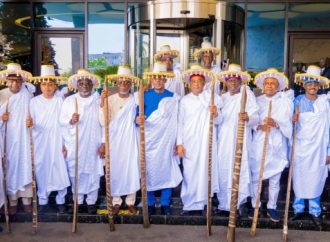
Once the rituals are complete, the real celebrations begin. The New Yam Festival is marked by colorful masquerades, traditional dances, wrestling matches, and feasts. Drummers beat out complex rhythms, while dancers adorned in bright costumes tell stories of history, morality, and valor.
In Igbo towns like Onitsha, Awka, and Nri, masqueraders called Mmanwu fill the streets, entertaining the crowd with displays of agility and spiritual symbolism. In Ghana’s yam festivals, chiefs appear in elaborate kente cloth, carried in palanquins as the people sing praises.
Food is, of course, the centerpiece. Yam is prepared in countless ways: roasted, boiled, pounded into pounded yam (fufu), or fried. Accompaniments include palm oil, vegetable soups, and spicy sauces.
The Festival in Numbers
- Date of Origin: Over 2,000 years ago, before the birth of Jesus Christ.
- Duration: Celebrations typically last 2–7 days, depending on the community.
- Countries Celebrating: Nigeria, Ghana, Côte d’Ivoire, Benin, Cameroon, and Togo.
- Global Recognition: In 2019, UNESCO identified yam festivals as part of Africa’s intangible cultural heritage.
- Economic Value: Nigeria alone produces over 45 million metric tons of yam annually (FAO, 2023), making it the largest producer in the world. The festival promotes yam trade and agribusiness across West Africa.
The Festival Today
Despite modernization and Christianity and Islam spreading across West Africa, the New Yam Festival has endured. Today, it is as much a cultural showcase as a religious one. In Nigeria, state governments sponsor major festivals, turning them into tourist attractions. The Iri Ji Festival in Igboland draws visitors from across the globe, eager to experience masquerades, music, and food.
In Ghana, yam festivals such as the Asogli Yam Festival in Ho, Volta Region, attract thousands, including foreign dignitaries. These events are not just about tradition but also about promoting unity, tourism, and local economies.
Why It Still Matters
The New Yam Festival is not just about food. It represents a philosophy of gratitude, community, and continuity. In societies where farming was life, giving thanks for a successful harvest was the ultimate expression of respect for nature and the divine.
Even in today’s world of machines and supermarkets, the festival remains a reminder that human survival is tied to the soil. For West Africans, it also reinforces identity, keeping alive a tradition that connects modern communities to their ancestors from thousands of years ago.
From the yam fields of ancient Igbo farmers before 1 AD to the bustling streets of Enugu, Accra, and Ho in 2025, the New Yam Festival has survived wars, colonization, religion, and globalization. It stands today not only as a harvest celebration but also as one of the oldest living traditions in human history.
When crowds gather each August to dance, eat yam dishes, and honor their ancestors, they are part of a story that began thousands of years ago—a story that proves that while much has changed, the deep connection between people, land, and gratitude has never faded.
















Leave a Comment
Your email address will not be published. Required fields are marked with *