
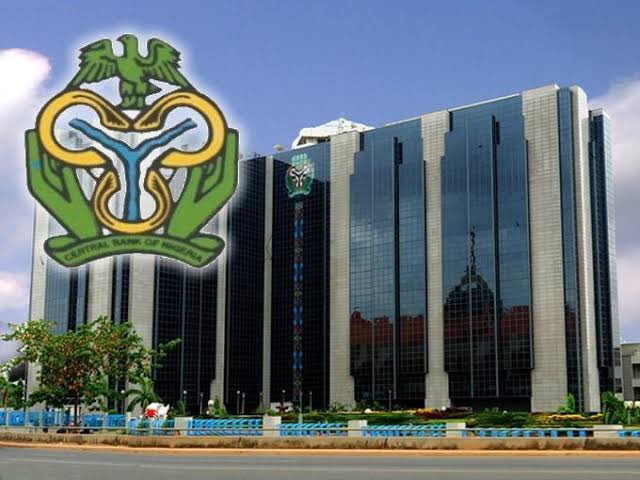
CBN Cuts Interest Rate to 27% as MPC Moves to Bolster Economic Growth The Central Bank of Nigeria’s (CBN) Monetary Policy Committee (MPC) has lowered the country’s benchmark interest rate to 27 per cent, marking a 0.5 percentage point reduction from the 27.5 per cent adopted in July. The decision, reached at the Committee’s 302nd
CBN Cuts Interest Rate to 27% as MPC Moves to Bolster Economic Growth
The Central Bank of Nigeria’s (CBN) Monetary Policy Committee (MPC) has lowered the country’s benchmark interest rate to 27 per cent, marking a 0.5 percentage point reduction from the 27.5 per cent adopted in July. The decision, reached at the Committee’s 302nd meeting held on September 22 and 23, 2025, represents the latest attempt by the apex bank to balance disinflationary trends with the need to stimulate economic growth.
All 12 members of the Committee voted in favour of the rate cut, underscoring a unanimous view that Nigeria’s economic trajectory warranted a more supportive monetary stance. Alongside the rate adjustment, the MPC also announced changes to banks’ cash reserve obligations in an effort to strengthen liquidity control and encourage lending.
Davido Becomes Official Voting Member Of The Recording Academy For 2026 GRAMMYs
New Adjustments to Cash Reserve Ratios
According to the CBN, the Cash Reserve Requirement (CRR) for commercial banks has been reduced from 45.5 per cent to 45 per cent. While this change is modest, it is expected to provide some relief for banks and create additional room for lending to critical sectors of the economy. The CRR for merchant banks, however, was left unchanged at 16 per cent.
A major highlight of the new policy stance was the introduction of a 75 per cent CRR on non-TSA (Treasury Single Account) public sector deposits. The apex bank explained that this measure is designed to tighten controls around idle public funds and ensure that liquidity tied to government-related deposits is effectively managed.
At the same time, the liquidity ratio was retained at 30 per cent, reflecting the Bank’s intention to preserve a buffer for financial system stability while easing restrictions where necessary.
Cardoso Explains Rationale for Policy Shift
Speaking at a post-meeting briefing, CBN Governor Olayemi Cardoso highlighted the factors that influenced the Committee’s decisions. He explained that the cut in the Monetary Policy Rate (MPR) was driven largely by encouraging signs of disinflation, with inflation showing a consistent downward trend over the past five months.
“The committee’s decision to lower the monetary policy rate was predicated on the sustained disinflation recorded in the past five months, projections of declining inflation for the rest of 2025, and the need to support economic growth,” Cardoso said.
He further noted that the MPC retained the asymmetric corridor around the MPR at +260 and -250 basis points. This, according to him, would continue to provide a framework for liquidity management while ensuring that the CBN maintains a cautious stance in light of ongoing market volatility.
Implications for the Economy
The latest measures underscore the CBN’s commitment to consolidating gains in the fight against inflation while simultaneously unlocking credit expansion for the productive sectors of the economy. Analysts believe the decision to lower the policy rate could reduce borrowing costs for businesses and households, potentially boosting investment and consumption.
However, the introduction of a steep 75 per cent CRR on non-TSA public sector deposits signals the Bank’s determination to prevent excessive liquidity from undermining disinflationary progress. By immobilising a large portion of idle public funds, the CBN is also seeking to encourage fiscal discipline among government agencies.
For the private sector, the modest reduction in commercial banks’ CRR could translate into improved access to credit, especially for small and medium-sized enterprises (SMEs) that often face challenges in obtaining affordable loans. The unchanged liquidity ratio ensures that banks still maintain adequate reserves, preserving overall stability within the financial system.
Balancing Growth and Stability
Observers note that the MPC’s latest decision reflects a careful balancing act between promoting economic recovery and safeguarding price stability. While Nigeria has recorded progress in moderating inflation, the Bank remains cautious about external risks such as global oil price volatility, exchange rate pressures, and uncertainties in international capital flows.
The interest rate cut, although relatively small, sends a signal of confidence from the CBN regarding the economy’s outlook. It also suggests a shift toward policies that can foster growth at a time when businesses are still grappling with the aftershocks of recent economic headwinds.
Next Steps for the MPC
The CBN has made it clear that these measures are not final. The MPC is scheduled to reconvene in November to review the impact of the policy changes on inflation, economic growth, and financial stability. By then, the Bank will assess whether the easing stance has provided the desired outcomes or whether further adjustments will be required.
Economists suggest that much will depend on how commercial banks respond to the policy changes, particularly in terms of extending credit to productive sectors. The effectiveness of the new CRR rules on public sector deposits will also be closely monitored to ensure that they do not create unintended distortions in liquidity flows.
Conclusion
The CBN’s decision to cut the Monetary Policy Rate to 27 per cent represents a strategic attempt to consolidate Nigeria’s economic recovery while managing inflationary pressures. The introduction of stricter controls on public sector deposits and adjustments to banks’ reserve requirements further illustrate the apex bank’s dual focus on liquidity management and credit expansion.
As the economy continues to navigate complex domestic and external challenges, the MPC’s stance signals cautious optimism for growth in the months ahead. With the next review set for November, policymakers, businesses, and consumers alike will be watching closely to see how these measures play out in real terms across the Nigerian economy.

















Leave a Comment
Your email address will not be published. Required fields are marked with *