
The Great Proposal Debate: Should A Man Kneel or Not to Kneel? The Great Proposal Debate: Should A Man Kneel or Not to Kneel? You have been waiting for that big moment, your hair is done, your outfit carefully chosen, and your nails freshly designed by your trusted nail tech. During the date, he suddenly
The Great Proposal Debate: Should A Man Kneel or Not to Kneel?
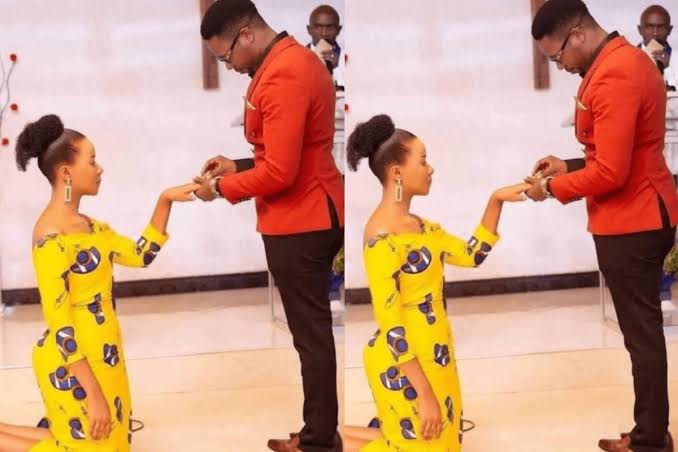
The Great Proposal Debate: Should A Man Kneel or Not to Kneel? You have been waiting for that big moment, your hair is done, your outfit carefully chosen, and your nails freshly designed by your trusted nail tech. During the date, he suddenly reaches into his pocket, pulls out a ring, and your heart starts racing. Then comes the shock—he just stands there, upright, asking you to marry him. No dramatic pause, no one knee on the floor, just a man holding a ring with both feet firmly on the ground. That was the scene that stirred an online storm last week after a Nigerian man refused to kneel while proposing to his girlfriend. His defense was simple: kneeling is not part of Nigerian culture. Just like that, an age-old debate was reignited—must a man kneel to prove his love?
The tradition of kneeling to propose is often assumed to be universal, but its roots are far from African. The practice dates back to medieval Europe, where knights would kneel before their kings, queens, or lords as a sign of respect and loyalty. Over time, the act evolved into romantic symbolism, with men kneeling to express devotion to their lovers. Hollywood movies and Western pop culture later cemented the image, turning the one-knee proposal into a global standard of romance. In Nigeria, however, traditional proposals historically involved families, elders, and community rituals rather than surprise gestures in public restaurants. For the Yoruba, Igbo, Hausa, and other ethnic groups, respect and commitment were demonstrated through family introductions, bride price, and symbolic exchanges—not a man kneeling in front of his partner.
Nigerian Doctor’s 21-Times Sex Advice Sparks Fierce Debate On Prostate Cancer Prevention
The knee-bending debate has divided opinions. For many, kneeling is non-negotiable. They argue that it is the ultimate gesture of humility and romance, a physical act that conveys vulnerability and sincerity. Thanks to Instagram reels, Pinterest-perfect proposals, and Hollywood influence, kneeling has become a global language of love. To such people, skipping the act is like skipping cake at a wedding—it feels incomplete. As one social media user bluntly asked, “Is it only Nigerian men that do it? When did this one become a problem again?”
On the other hand, a strong camp insists that kneeling has no place in Nigerian tradition. For them, it is an imported act that contradicts cultural expectations. In many communities, kneeling is traditionally associated with women showing respect to elders or men, not the other way around. These critics argue that bowing on one knee is unnecessary drama, fueled by Western influence rather than genuine cultural expression. One user echoed this sentiment, saying, “I can never do that. It is an act of hypocrisy and irresponsibility.”
For some women, however, the debate transcends culture. To them, kneeling is not about foreign traditions but about symbolism. It represents humility, vulnerability, and romance—the kind of visual memory that lasts a lifetime. To some men, though, kneeling feels like surrendering dignity or abandoning cultural pride for imported theatrics. What emerges from this tension is a standoff between modern expectations shaped by global media and traditional values rooted in local customs.
Yet, not every couple falls neatly into either side of the argument. Many just want the moment to feel authentic. Some couples kneel, others stand, and some even stage joint proposals where both partners exchange rings in a gesture of equality. The core issue, it seems, is not about posture but about meaning. The essence of a proposal lies in intention, not body position. If the man is sincere and committed, does it matter whether he kneels or stands tall?
Beyond the surface debate lies a deeper cultural conflict: the tug-of-war between modern romance and traditional values. The kneeling question has become a symbolic battlefield, much like the heated conversations about gender roles in marriage—whether women should cook, what men bring to the table, or whether polygamy has a place in today’s world. Proposals, once straightforward family affairs, have now become performances shaped by social media aesthetics. With Instagram-worthy expectations colliding with traditional definitions of respect, the kneeling debate becomes less about love and more about identity.
But perhaps the wrong question is being asked. Instead of focusing on whether a man should kneel, the real concern should be whether he means his words when he says, “Will you marry me?” Marriage requires far more than a dramatic pose to survive. Commitment, honesty, mutual respect, and shared vision matter more than a moment of theatrical romance.
For women, the question is whether the absence of the knee-drop would feel like a disappointment, leaving them robbed of a fairytale moment, or whether the presence of the ring alone is enough. For men, it is about whether they are willing to bend—literally—for the sake of love, or whether they prefer to stand their ground in the name of culture and dignity.
At the heart of it all, the kneeling debate is not just about posture. It is a reflection of changing values, global influence, and the evolving dynamics of relationships in modern Nigeria. For some, kneeling is a cherished romantic gesture. For others, it is unnecessary drama imported from another culture. But for most couples, it is simply a matter of choice—a decision that should be left to the people in love rather than the crowd watching from the sidelines.
So, must a man kneel to prove his love? Not necessarily. Love is proven in actions far beyond a single moment. What matters is not how the proposal looks on camera, but how the marriage itself unfolds in real life. Whether standing tall or kneeling low, what counts is that both partners understand the weight of the commitment they are stepping into. After all, no marriage has ever succeeded or failed because of a man’s knee hitting the floor.
















Leave a Comment
Your email address will not be published. Required fields are marked with *