
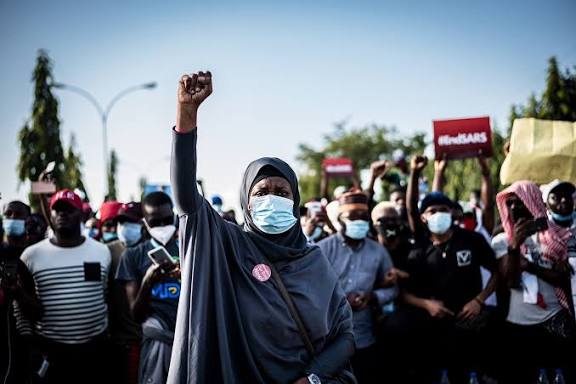
Five Years After #EndSARS: 20 Events to Remember on October 20 October 20, 2020, remains one of the most defining dates in Nigeria’s recent history — a day that marked the climax of the #EndSARS protests and the tragic Lekki Toll Gate shooting. The movement, which began as a peaceful demand to end police brutality,
Five Years After #EndSARS: 20 Events to Remember on October 20
 October 20, 2020, remains one of the most defining dates in Nigeria’s recent history — a day that marked the climax of the #EndSARS protests and the tragic Lekki Toll Gate shooting. The movement, which began as a peaceful demand to end police brutality, grew into a nationwide call for justice, reform, and good governance. Five years later, the memory of that day still echoes across the country and the diaspora.
As Nigerians mark the fifth anniversary of #EndSARS, here are 20 key events and moments to remember on October 20 — moments that shaped the movement, the nation, and the ongoing struggle for accountability and reform.
1. The Lekki Toll Gate Shooting
On the night of October 20, 2020, soldiers opened fire on peaceful protesters at the Lekki Toll Gate in Lagos. The demonstrators, waving Nigerian flags and singing the national anthem, had gathered to demand an end to police brutality. The tragic incident became the defining moment of the #EndSARS movement, sparking outrage both locally and internationally.
2. The “Turn Off the Lights” Moment
One haunting moment was when the floodlights at the Lekki Toll Gate were allegedly switched off, and CCTV cameras were removed shortly before the shooting began. The blackout deepened suspicion and later became a central issue in investigations and public debates about state accountability.
3. The National Anthem of Resistance
Protesters singing “Arise, O Compatriots” as shots rang out became a symbol of patriotism and courage. Videos of young Nigerians holding flags while singing in defiance captured global attention and became emblematic of peaceful resistance.
4. Global Solidarity Protests
Nigerians in the diaspora organized rallies in major cities such as London, New York, Toronto, and Berlin in solidarity with protesters back home. The hashtag #EndSARS became one of the most tweeted social movements in African history, surpassing 28 million mentions within weeks.
5. The Lagos Judicial Panel of Inquiry
Following public outcry, the Lagos State Government set up the Judicial Panel of Inquiry to investigate cases of police brutality and the events at Lekki. The panel’s final report, released in 2021, described the incident as a “massacre” and recommended compensation for victims — though implementation has been slow.
6. The Disbandment of SARS
On October 11, 2020 — just before the Lekki shooting — the Inspector-General of Police had announced the dissolution of the Special Anti-Robbery Squad (SARS). However, protesters viewed the announcement as symbolic, given previous failed reforms. The skepticism turned into renewed anger after the Lekki incident.
7. The Rise of the Feminist Coalition
During the protests, a group of young women under the name Feminist Coalition played a pivotal role in coordinating funds, legal aid, and medical support for protesters. Their transparency, accountability, and organizational efficiency earned them national and international recognition.
8. The Role of Social Media
Twitter (now X) served as the backbone of the movement. It amplified voices, documented abuses, and mobilized support worldwide. The #EndSARS protests demonstrated the power of digital activism in holding governments accountable in the 21st century.
9. The Freezing of Protesters’ Accounts
In the aftermath of the protests, several bank accounts linked to organizers and donors were frozen on the orders of the Central Bank of Nigeria. This action drew condemnation from civil rights groups, who argued it was an attempt to silence dissent.
10. Candlelight Vigils for the Fallen
In cities across Nigeria, candlelight vigils were held to honor those who died during the protests. The vigils, marked by songs and prayers, symbolized unity and the collective grief of a generation demanding change.
11. The Toll Gate Cleanup Controversy
Barely 24 hours after the Lekki shooting, videos emerged showing officials allegedly cleaning the site. Many Nigerians condemned it as an attempt to erase evidence. The Lagos State Government denied wrongdoing, but the controversy persisted.
12. The Role of Nigerian Celebrities
Artists like Burna Boy, Falz, Davido, and Tiwa Savage used their platforms to speak out against injustice. Their influence drew global attention to the protests, with Burna Boy releasing “20.10.20” to immortalize the events.
13. International Outcry
The United Nations, Amnesty International, and several world leaders called for independent investigations into the Lekki incident. Amnesty International’s reports estimated that several protesters were killed and dozens injured, though the Nigerian government disputed these claims.
14. The Lagos Curfew and Chaos
In response to escalating protests, Governor Babajide Sanwo-Olu declared a 24-hour curfew on October 20. The suddenness of the announcement trapped many protesters at the toll gate, leading to confusion and chaos just before the shooting began.
15. Media Censorship and Crackdown
Journalists covering the protests faced harassment and intimidation. Media houses such as Arise TV and Channels Television were fined by the National Broadcasting Commission for their coverage, sparking debates over press freedom.
16. The Youth Awakening
The #EndSARS movement awakened a new generation of politically conscious Nigerians. Young people, often dismissed as apathetic, demonstrated organization, unity, and leadership that shook the political establishment.
17. Victims’ Compensation and Delayed Justice
While some victims received compensation through judicial panels, many others still await justice. Families of missing protesters continue to demand answers five years later, as memories of their loved ones remain fresh.
18. The Lekki Toll Gate as a Symbol
The Lekki Toll Gate has since become a memorial site. Every October 20, citizens gather there to lay flowers, hold vigils, and chant for justice, despite heavy police presence and government restrictions.
19. Music and Art as Resistance
From murals to songs and poetry, artists across Nigeria and the diaspora immortalized #EndSARS. These creative expressions became tools of remembrance and protest, ensuring that the story of October 20 would not be erased.
20. The Unfinished Struggle
Five years later, police brutality and governance issues persist. While reforms have been promised, progress remains slow. However, the spirit of #EndSARS continues to inspire activism, civic engagement, and hope for a better Nigeria.
October 20 is no longer just a date — it is a symbol of courage, unity, and sacrifice. It reminds Nigerians of the cost of silence and the power of collective action. Five years after the Lekki Toll Gate tragedy, the call for justice and reform continues.
The #EndSARS movement may have begun as a protest against police brutality, but it evolved into a demand for a new Nigeria — one built on accountability, equity, and respect for human life. And as the candles are lit once again this October 20, the message remains the same: “We will not forget.”








Leave a Comment
Your email address will not be published. Required fields are marked with *