
CAC Announces Nationwide Crackdown on Unregistered POS Operators Effective January 1, 2026 Nigeria’s financial services landscape is set for a major regulatory shake-up as the Corporate Affairs Commission (CAC) has declared that all Point of Sale (POS) operators across the country must be fully registered with the commission before January 1, 2026, or face decisive
CAC Announces Nationwide Crackdown on Unregistered POS Operators Effective January 1, 2026
Nigeria’s financial services landscape is set for a major regulatory shake-up as the Corporate Affairs Commission (CAC) has declared that all Point of Sale (POS) operators across the country must be fully registered with the commission before January 1, 2026, or face decisive enforcement actions. The announcement, contained in a public notice signed by the CAC Management, marks one of the strongest regulatory interventions targeting the rapidly growing POS sector.
World Disability Day: First Lady Disburses ₦200,000 Each To 250 Beneficiaries
According to the commission, the move became necessary following the rising number of POS agents operating without proper corporate registration, an action it described as a violation of the Companies and Allied Matters Act (CAMA) 2020 as well as the Central Bank of Nigeria (CBN) Agent Banking Regulations. The CAC warned that the era of unregulated or loosely supervised POS operations—often facilitated by fintech firms—has come to an end.
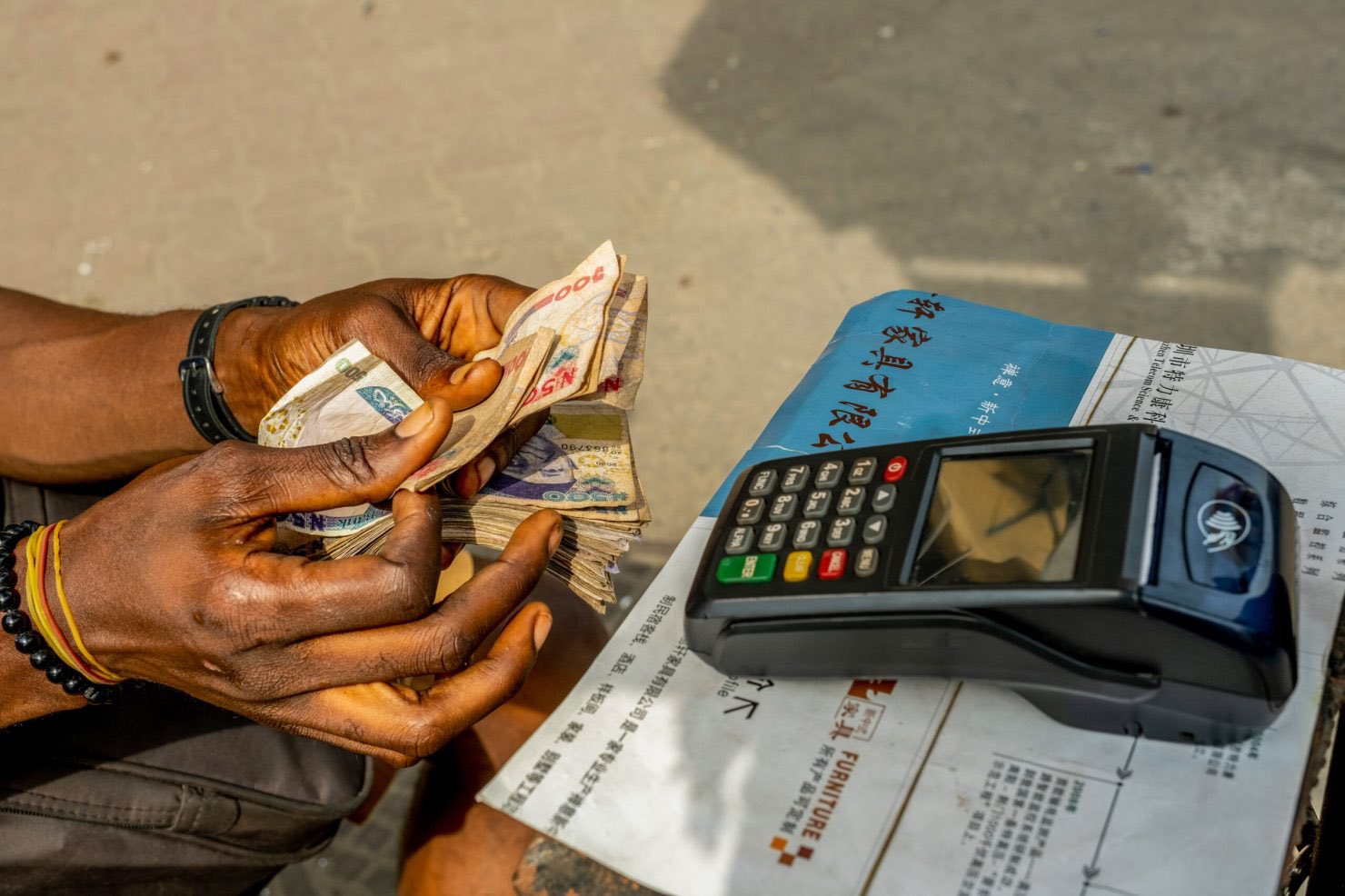 The statement reads in part: “The CAC has observed the rising number of PoS operators running without registration, violating CAMA 2020 and CBN Agent Banking Regulations. This reckless practice, often enabled by some fintech companies, puts Nigeria’s financial system and citizens’ investments at risk. This must stop.”
For years, POS operations have provided millions of Nigerians with access to basic banking services, especially in underserved and rural communities where traditional bank branches are either absent or insufficient. However, the rapid expansion of the industry has attracted concerns regarding accountability, traceability, fraud, and security breaches. Regulatory agencies have repeatedly noted that many operators run informally without corporate status, making it difficult to track operators, resolve disputes, or investigate financial crimes.
With the new directive, the CAC says that from January 1, 2026, no POS agent will be allowed to operate anywhere in Nigeria without proof of CAC registration. The statement further emphasized that law enforcement agencies have been instructed to enforce immediate compliance nationwide.
“Unregistered PoS terminals will be seized or shut down by security officials,” the notice stated. “Fintechs enabling illegal operations will be placed on a watchlist and reported to the CBN.”
This marks one of the rare occasions where the commission explicitly links potential penalties to fintech service providers who onboard or support unregistered POS agents. According to regulatory analysts, this signals a more coordinated effort to sanitize the agent-banking ecosystem by ensuring that all participants—individuals, fintechs, banks, and agents—adhere strictly to formal registration requirements.
Industry observers note that this decision follows months of consultation between the CAC, the CBN, law enforcement agencies, and stakeholders in the fintech sector. The rising cases of POS-related fraud, money laundering, and identity anonymity have been cited as major drivers behind the tougher stance. In many instances, fraudulent operators use unregistered POS terminals to carry out unauthorized withdrawals, clone cards, or serve as channels for illicit financial flows. Without corporate registration or traceable documentation, apprehending offenders becomes difficult.
For POS operators, the CAC’s directive implies additional steps before they can legally function. Registration with the commission means obtaining a business name or full company incorporation, depending on the scale of operation. While small operators typically prefer business name registration, larger agent networks may opt for full incorporation. The CAC has urged operators to begin the process immediately to avoid last-minute rush and penalties. The commission also highlighted that registration can now be completed online within a short time through its self-service portal, a system introduced to ease compliance and reduce physical bureaucracy.
Stakeholders in the fintech industry have reacted with mixed feelings. While some welcome the policy as a necessary measure to enhance consumer protection and reduce fraud, others argue that it may place an undue burden on small-scale POS operators who already grapple with economic hardship. Nonetheless, analysts believe the long-term benefits far outweigh the temporary inconveniences, as a formalized sector promotes trust and attracts more structured investment.
The directive is expected to trigger a wave of registrations nationwide as operators rush to avoid enforcement actions. Financial experts predict that the policy may also encourage better record-keeping, proper tax compliance, and smoother dispute resolution mechanisms within the sector.
Fintech companies partnering with POS agents have also been advised to conduct immediate compliance checks. The CAC’s warning that enabling unregistered operators will attract sanctions signals a tougher regulatory environment where service providers must conduct stricter Know-Your-Customer (KYC) processes and verify agents’ corporate status before onboarding.
As the January 1 deadline approaches, the CAC insists that compliance is not optional. “All operators are advised to regularize immediately. Compliance is mandatory,” the commission stressed.
With the policy now in motion, Nigeria’s POS ecosystem is poised for a major transformation. While the directive may cause short-term disruptions, regulators remain confident that a properly registered and structured agent-banking system will ultimately strengthen financial inclusion, consumer safety, and the national economy.

















Leave a Comment
Your email address will not be published. Required fields are marked with *