
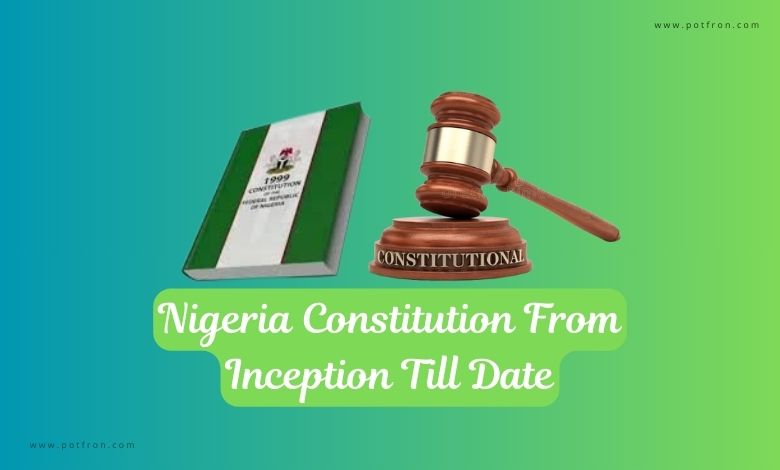
Understanding the Impeachment Process of a Governor in Nigeria A Constitutional Framework for Removing a Governor The impeachment of a governor in Nigeria follows a structured legal procedure as outlined in the 1999 Constitution of the Federal Republic of Nigeria (as amended). This process ensures that a governor can only be removed from office under
Understanding the Impeachment Process of a Governor in Nigeria
A Constitutional Framework for Removing a Governor
The impeachment of a governor in Nigeria follows a structured legal procedure as outlined in the 1999 Constitution of the Federal Republic of Nigeria (as amended). This process ensures that a governor can only be removed from office under clearly defined conditions, such as gross misconduct, abuse of office, or incapacity.
According to Section 188 of the Constitution, the impeachment process begins when at least one-third of the members of a State House of Assembly endorse a notice of allegation against the governor. This notice is then formally submitted to the Speaker, who delivers it to the governor.
Senate Leader Bamidele Defends Tinubu’s Fuel Subsidy Removal
Step-by-Step Process of Impeaching a Governor in Nigeria
1. Grounds for Impeachment
The Constitution specifies three main reasons for impeaching a governor:
- Gross Misconduct: Any violation of the Constitution or an act that breaches public trust.
- Incapacity: The governor’s physical or mental inability to perform official duties.
- Misappropriation of Funds: Financial misconduct, corruption, or abuse of office.
2. Initiation of the Impeachment Process
- Petition Submission: At least one-third of the State House of Assembly members must sign and submit a written allegation of misconduct.
- Detailed Allegations: The petition must clearly state the accusations against the governor.
3. Notice of Allegations
- The Speaker of the State House of Assembly serves the governor with a written notice of the allegations.
- The governor has seven days to respond to the allegations in writing.
4. Investigation of Allegations
- If the governor responds or fails to respond within the given time, the House of Assembly decides whether to proceed with an investigation.
- The Chief Judge of the state appoints a seven-member panel to investigate the allegations.
- Members of the panel must:
- Have unquestionable integrity.
- Not be members of the House of Assembly or public officers.
5. Panel Report and Findings
- The panel conducts its investigation within a specific period and submits its findings to the House of Assembly.
- If the panel finds the governor guilty, the impeachment process moves to the next stage.
- If the panel finds the governor innocent, the process is terminated.
6. Voting on Impeachment
- The House of Assembly votes on the removal of the governor.
- A two-thirds majority of all members is required for the impeachment to be successful.
- The vote takes place in an open session, and the Speaker signs the resolution.
7. Removal from Office
- If the resolution is passed, the governor is immediately removed from office.
- The Deputy Governor assumes the office as stipulated in the Constitution.
8. Judicial Review
- If the impeached governor believes the process was unconstitutional or flawed, they can challenge the decision in court.
- The court has the authority to nullify the impeachment if due process was not followed.
Key Considerations in the Impeachment Process
- Strict Adherence to Due Process: The procedure must follow constitutional guidelines to prevent legal challenges.
- Political Influence: Many impeachment cases in Nigeria are politically motivated, leading to controversies.
- Public Opinion: Media coverage and public sentiment often influence impeachment proceedings.
The impeachment of a governor in Nigeria remains a complex and politically sensitive issue. While it serves as a constitutional mechanism to check executive misconduct, it has also been used as a tool for political maneuvering. Nonetheless, the process ensures that governors are held accountable while maintaining the principles of democracy and the rule of law.
















Leave a Comment
Your email address will not be published. Required fields are marked with *