
Southeast PDP Caucus Presses for Retention of Sunday Ude-Okoye as Party Secretary In a bid to stabilize the crumbling unity within the Peoples Democratic Party (PDP), the Southeast caucus has issued a firm demand that Sunday Ude-Okoye be retained as the party’s National Secretary. This insistence has emerged as a key condition in ongoing reconciliation
Southeast PDP Caucus Presses for Retention of Sunday Ude-Okoye as Party Secretary
In a bid to stabilize the crumbling unity within the Peoples Democratic Party (PDP), the Southeast caucus has issued a firm demand that Sunday Ude-Okoye be retained as the party’s National Secretary. This insistence has emerged as a key condition in ongoing reconciliation efforts led by former Senate President Bukola Saraki, who is heading a peace panel aimed at halting further defections from the opposition party.
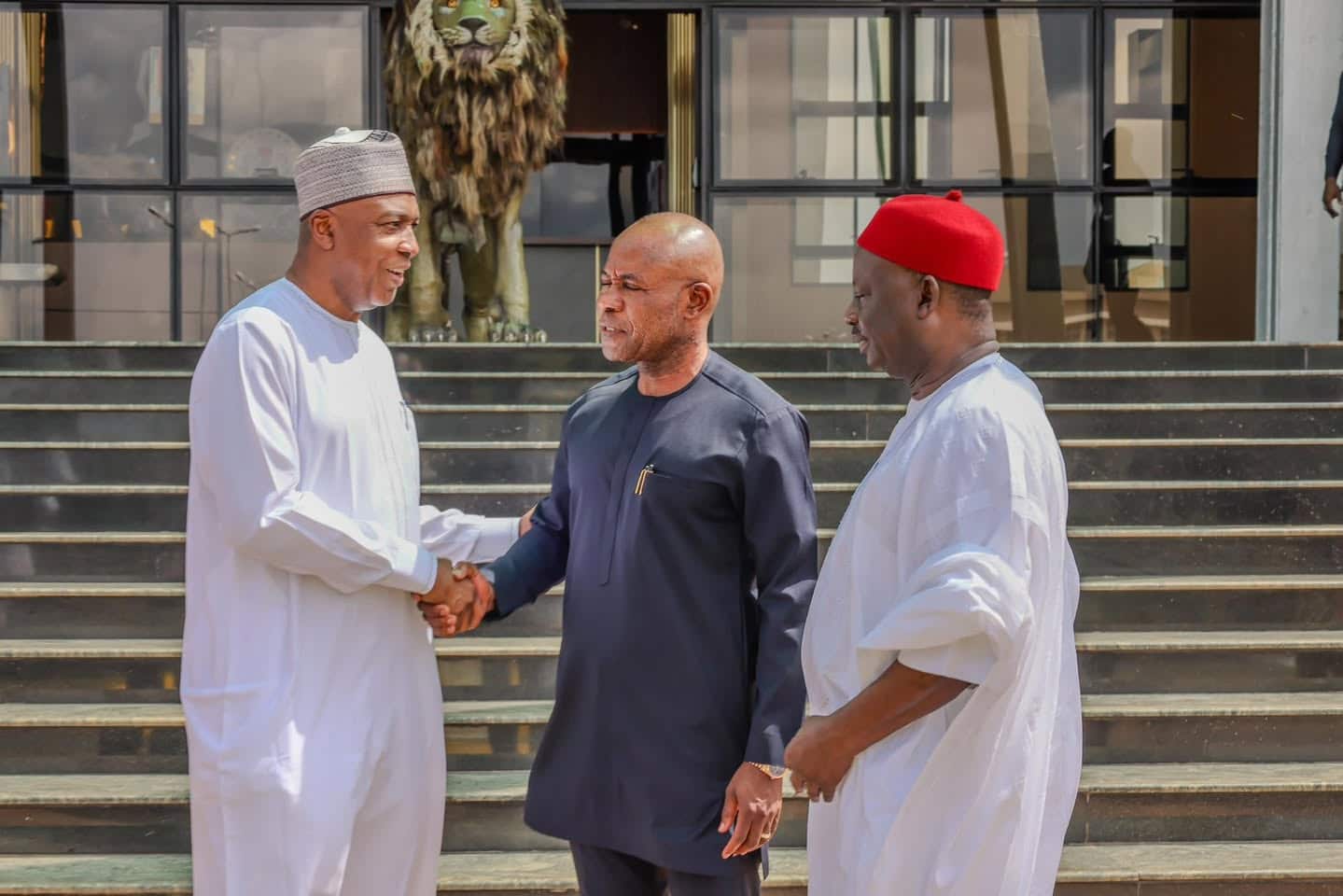
The closed-door meeting between the Saraki-led committee and Enugu State Governor, Peter Mbah, held at the Enugu State Government House on Friday, was part of a broader strategy to resolve growing discontent in the South-South and Southeast geopolitical zones. The PDP has been grappling with waves of defections, with several party stalwarts leaving over perceived marginalization and internal disputes.
Governor Umo Eno Evicts Journalists Over Leaked Defection Video Controversy
Retention of Ude-Okoye Central to PDP’s Reconciliation in the Southeast
According to insiders familiar with the discussions, the Southeast leaders are adamant that Sunday Ude-Okoye, who currently serves as the National Youth Leader of the PDP, must be confirmed and retained as the party’s substantive National Secretary. This demand, they assert, is crucial if the party is to maintain its influence and avoid further erosion of support in the region.
One source revealed to Punch that the issue of Ude-Okoye’s position was central to the discussions with Saraki’s panel. The source stated, “The caucus made it clear that unless Ude-Okoye is retained, the party risks losing its remaining strongholds in the Southeast. The sentiment is that the Southeast has been systematically sidelined in national party affairs, despite its long-standing loyalty to the PDP.”
This sentiment was echoed by Governor Peter Mbah, who is reported to have made an impassioned case during the meeting. He reminded the panel that the Southeast has consistently supported the PDP through challenging periods, including the crisis of 2015, when then Deputy Senate President Ike Ekweremadu led efforts to stabilize the party.
Governor Mbah criticized the current PDP leadership for what he described as a failure to adequately recognize the Southeast’s contributions. He warned that ignoring the zone’s concerns could have dire consequences for the party’s political fortunes in future elections.
“The Southeast has always stood by the PDP, even in times when the party was almost written off. If we are to remain loyal, we must also be respected and empowered,” the governor reportedly told the reconciliation team. “Retaining Ude-Okoye is not just about an individual; it’s about respect and balance in leadership representation.”
The call to replace the current National Secretary, Senator Samuel Anyanwu, with Ude-Okoye is part of a broader push for equitable representation in the PDP’s leadership structure. The caucus argues that the existing imbalance sends a message of exclusion and could alienate a vital support base.
Tensions had previously flared when Southeast PDP leaders issued a communiqué on May 14, threatening to exit the party en masse if their concerns—particularly over the National Secretary position—were not addressed. The communiqué, seen as a warning shot, appears to have triggered renewed urgency in the reconciliation efforts led by Saraki.
The former Senate President, known for his diplomatic approach to party politics, is reportedly weighing the demands carefully. His panel is expected to submit a comprehensive report with recommendations aimed at restoring confidence and preventing a potential collapse of PDP support in the region.
Observers note that the current scenario underscores the fragile state of opposition politics in Nigeria, where intra-party disagreements and ethnic power dynamics often undermine cohesion. The PDP, once the dominant political party in the country, has seen its influence wane, particularly as defections and internal wrangling continue to plague its structures.
As the party gears up for the 2027 general elections, many see the handling of the Southeast situation as a litmus test for its national relevance and organizational strength. The fate of Ude-Okoye, therefore, is not just a matter of regional loyalty but could very well be pivotal to the PDP’s political calculus in the years ahead.









Leave a Comment
Your email address will not be published. Required fields are marked with *