
WAEC Apologizes for Delay in English Exam Paper, Cites Logistics and Security Challenges The West African Examinations Council (WAEC) has issued a formal apology following widespread outcry over the late administration of the English Language Paper 2 during the ongoing 2025 West African Senior School Certificate Examination (WASSCE). The delay affected several examination centers across
WAEC Apologizes for Delay in English Exam Paper, Cites Logistics and Security Challenges
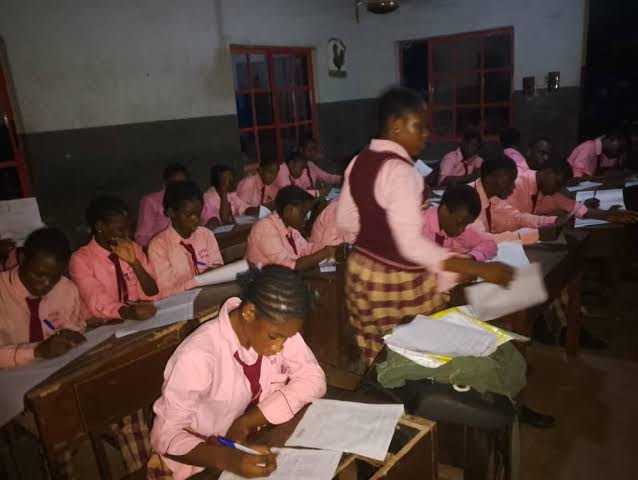
The West African Examinations Council (WAEC) has issued a formal apology following widespread outcry over the late administration of the English Language Paper 2 during the ongoing 2025 West African Senior School Certificate Examination (WASSCE). The delay affected several examination centers across Benue State, where students endured extreme conditions—some writing under phone torchlights and lanterns well into the night.
The unusual development, which occurred on Wednesday, May 28, sparked criticism from parents, educators, and students, who questioned the council’s preparedness and logistical arrangements for one of the most critical examinations in the region.
Atiku Abubakar Slams Tinubu’s Two-Year Tenure As Wasteful, Anti-People Governance
Candidates Endure Ordeal as Exam Delayed Until 11 p.m.
The incident first came to light when reports emerged that students who had already written the essay component of the English Language paper were left waiting for hours for the objective section to arrive. The delay was attributed to the exam officer’s late arrival, which resulted in the continuation of the examination well beyond normal school hours.
In a particularly troubling account, a student from Ogbadibo Local Government Area, who requested anonymity, described the harrowing experience: “We waited for hours after writing the essay. When the exam officer finally came, we had to use our phone lights and lanterns to write the objective section. It was very stressful.”
According to multiple sources, some examination centers did not conclude the paper until nearly 11:00 p.m., causing significant physical and emotional strain on the candidates. The prolonged wait, compounded by inadequate lighting and fatigue, raised concerns about the fairness and validity of the test environment.
WAEC Responds with Apology and Explanation
In response to mounting pressure and public criticism, WAEC released a statement on Thursday morning through Moyosola Adesina, the Acting Head of the Public Affairs Department. The council acknowledged the difficulties faced during the administration of the English Language paper and apologized for the inconvenience caused.
“While maintaining the integrity and security of our examination, we faced considerable challenges primarily due to our major aim of preventing leakage of any paper,” the statement read. “We recognise the importance of the timely conduct of examinations and the impact of this decision on candidates, their schools, and parents, and we sincerely apologise for any inconvenience caused.”
WAEC went further to cite specific hurdles that affected the smooth delivery of exam materials. These included logistical difficulties, security concerns in certain regions, and socio-cultural factors that disrupted operational plans.
The council emphasized that these obstacles were not due to neglect or lack of planning, but rather a result of stringent measures implemented to uphold examination security. It acknowledged that, despite its best intentions, the execution fell short of expected standards and promised corrective actions to prevent future recurrence.
Balancing Security with Student Welfare
While WAEC’s efforts to prevent examination malpractices are commendable, the recent incident has sparked a broader conversation about the need to balance security with candidate welfare. Educational experts and advocacy groups have pointed out that delays and disruptions in examination processes can have lasting psychological effects on students, especially those in rural areas who already contend with infrastructural challenges.
The timing of the English Language paper delay is particularly concerning given the significance of the subject. English is a compulsory subject in the WASSCE and often a determining factor in university admissions across West Africa.
“It’s understandable that WAEC is concerned about leaks,” said an education analyst based in Abuja. “But when efforts to prevent malpractice result in such extreme conditions for students, there’s a need to reassess the approach.”
Commitment to Improvement
Despite the backlash, WAEC reiterated its commitment to excellence and integrity in its examination processes. The council assured stakeholders that it would investigate the root causes of the delay and introduce new measures to enhance logistical planning, coordination with local examination officers, and response protocols in the event of unforeseen disruptions.
“As a reputable examining body, we remain dedicated to maintaining the highest standards in our operations and to ensuring that all candidates receive a fair and just examination experience,” the statement concluded.
Parents and school administrators have since called for a more robust support framework to avoid a repeat of such incidents, urging WAEC to integrate community-level intelligence and improved communication channels into its exam day protocols.
As the 2025 WASSCE continues, the council will be under heightened scrutiny to demonstrate that it can deliver secure and efficient examinations without compromising the wellbeing and dignity of the candidates it serves.

















Leave a Comment
Your email address will not be published. Required fields are marked with *