
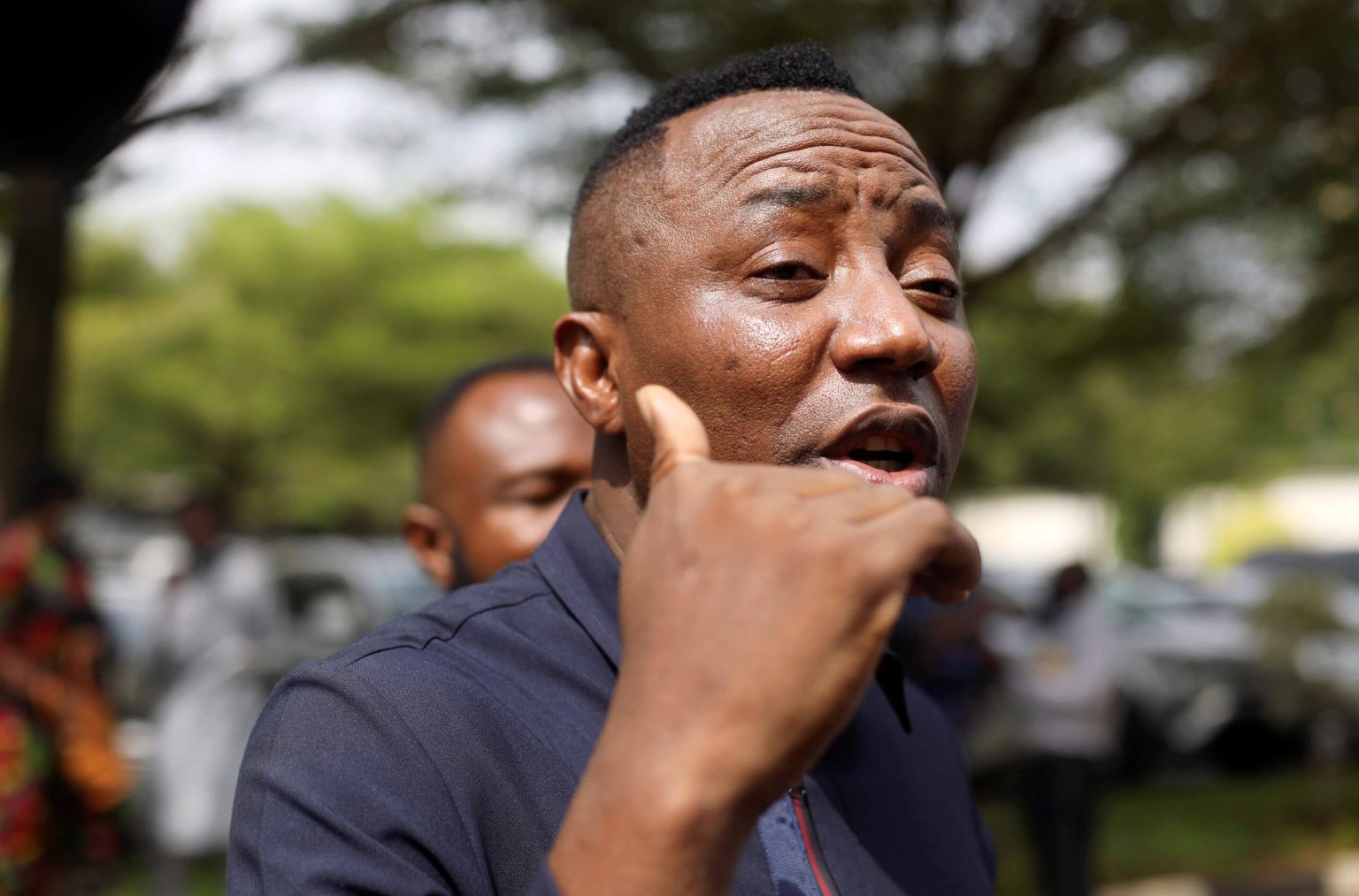
Omoyele Sowore Labels President Tinubu’s Two-Year Tenure a National Failure Human rights activist and former presidential candidate of the African Action Congress (AAC), Omoyele Sowore, has launched a fierce critique of President Bola Ahmed Tinubu’s performance after two years in office. Describing the administration as a catastrophic failure, Sowore argued that Tinubu’s policies have worsened
Omoyele Sowore Labels President Tinubu’s Two-Year Tenure a National Failure
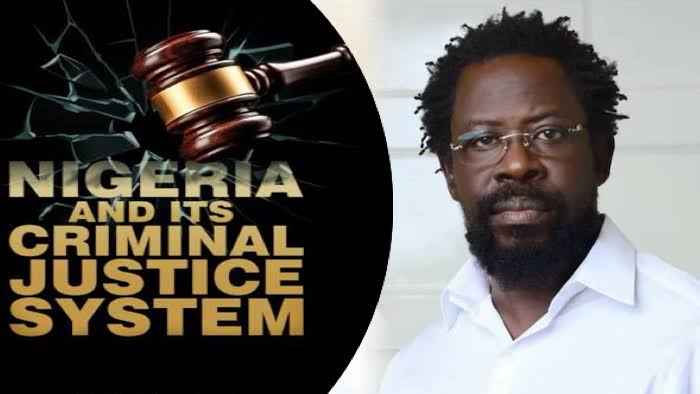
Human rights activist and former presidential candidate of the African Action Congress (AAC), Omoyele Sowore, has launched a fierce critique of President Bola Ahmed Tinubu’s performance after two years in office. Describing the administration as a catastrophic failure, Sowore argued that Tinubu’s policies have worsened living conditions for millions of Nigerians and plunged the nation deeper into economic turmoil and insecurity.
Sowore, who also serves as the National Chairman of the AAC, made his comments via a statement posted on his verified 𝕏 (formerly Twitter) account. His remarks came on the anniversary of President Tinubu’s two years in power, marked by widespread economic instability, currency devaluation, and persistent insecurity.
WAEC Apologizes for Delay in English Exam Paper, Cites Logistics and Security Challenges
“A Legacy of Hardship”: Sowore Critiques Tinubu’s Economic Policies
Central to Sowore’s criticism is the steep depreciation of the naira under Tinubu’s leadership. The former presidential candidate pointed out that the exchange rate had spiraled from ₦400 to over ₦1,600 within just two years, severely impacting the purchasing power of everyday Nigerians.
“A man who met the other exchange rate at ₦400 and pushed it to ₦1,600 is a failure,” Sowore wrote. He argued that this economic shift has destroyed the financial stability of countless households and made basic commodities unaffordable for the average citizen.
He also denounced what he called the President’s “anti-poor” fuel subsidy removal policy. Sowore acknowledged that while Tinubu eliminated fuel subsidies—ostensibly to reform Nigeria’s economy—the real burden fell disproportionately on the poor. At the same time, he said, elites and government officials continue to enjoy state-backed financial luxuries under the guise of budgetary allocations and legislative allowances.
“A man who ended the petrol subsidy for people with low incomes but still subsidizes corrupt government officials and lawmakers in the name of budget padding is a failure,” he declared.
Insecurity and Infrastructure: Broken Promises and Rising Fear
Beyond economic challenges, Sowore also took aim at Tinubu’s handling of national security and infrastructure development. He criticized the slow progress on the administration’s highly publicized 700-kilometer Lagos-Calabar coastal highway project, noting that only 30 kilometers had been completed after two years.
“A man who took two years to construct only 30 kilometers of highway on his signature 700 km Lagos-Calabar highway project is failure,” he stated.
More troubling, Sowore said, is the worsening state of national security. He lamented that violent groups like Boko Haram, initially restricted to northeastern states such as Borno and Yobe, had expanded their activities to the Middle Belt, including Kogi State. This development, he warned, underscores the administration’s failure to contain terrorist threats and protect citizens across the country.
“A man who met Boko Haram in Borno and Yobe but let them move down south to Kogi is a failure,” Sowore emphasized, painting a grim picture of the government’s inability to maintain peace and stability.
Mounting Dissent and Calls for Accountability
Sowore’s comments come at a time of increasing public frustration with Tinubu’s presidency. While the administration has promised reforms aimed at long-term economic growth, the short-term impact of these policies has sparked outrage. Soaring food prices, fuel costs, and unemployment have placed heavy burdens on families, with many accusing the government of failing to cushion the blow.
The AAC leader’s statement adds to a growing chorus of political voices—including opposition leaders such as Atiku Abubakar—who have condemned the administration for deepening poverty and ignoring the plight of ordinary Nigerians. These critiques reflect a rising tide of political activism and resistance among citizens and civil society groups seeking greater accountability.
Although Sowore has been a vocal critic of successive governments, his indictment of Tinubu’s presidency is particularly sharp. It reflects not only ideological differences but also a broader demand for systemic change in governance, resource distribution, and public accountability.
Sowore’s statement, while brief, encapsulates the mounting challenges faced by the Tinubu administration as it marks the halfway point of its first term. From the collapsing currency to ongoing insecurity and stalled infrastructure projects, the issues raised resonate with many Nigerians who feel left behind by the current political and economic order.
As calls for reform grow louder, the coming months will be critical for President Tinubu to either reverse the tide or risk further alienation from the populace.










Leave a Comment
Your email address will not be published. Required fields are marked with *