
FG Launches CNG Buses in Nigerian Universities to Cut Transport Costs and Promote Clean Energy In a bold move aimed at easing the burden of high transportation costs and encouraging a shift towards cleaner energy, the federal government has commenced the deployment of Compressed Natural Gas (CNG)-powered buses across Nigerian universities. The initiative kicked off
FG Launches CNG Buses in Nigerian Universities to Cut Transport Costs and Promote Clean Energy
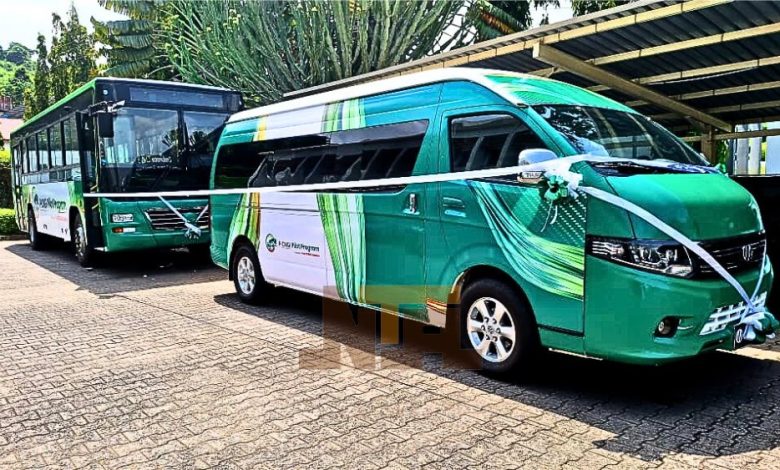
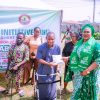
In a bold move aimed at easing the burden of high transportation costs and encouraging a shift towards cleaner energy, the federal government has commenced the deployment of Compressed Natural Gas (CNG)-powered buses across Nigerian universities. The initiative kicked off at the University of Abuja, under a programme tagged CNG-SPROUT — Special Palliative Relief on University Transportation.
The first phase of the initiative will see CNG buses deployed to 20 federal universities nationwide. The goal is to deliver immediate relief to students while also aligning with Nigeria’s broader energy transition and climate objectives.
TotalEnergies Withdrawal From Bonga Marks Shift In Nigeria’s energy leadership
A Milestone in Nigeria’s Clean Energy Drive
Speaking at the commissioning event, the Minister of State for Petroleum Resources (Gas), Ekperikpe Ekpo, described the project as a “timely response to Nigeria’s energy transition and economic realities.” He emphasized that the CNG-SPROUT initiative aligns closely with President Bola Tinubu’s vision for energy affordability and environmental sustainability.
“I hereby commission the Project CNG-Sprout buses for deployment to university campuses across the country. May they serve as vehicles not just of transport, but of hope, relief, and national progress,” Ekpo declared during the flag-off event.
He explained that the programme is part of a wider strategy to cushion the impacts of ongoing energy sector reforms, especially on vulnerable groups like students, while simultaneously reducing carbon emissions by encouraging the use of cleaner fuels.
A Broader Vision Beyond Transport
According to the Minister, the current rollout of CNG buses is just the beginning. The government plans to unveil additional incentives for converting vehicles to CNG, expanding refuelling infrastructure, and promoting local innovation and assembly within the CNG ecosystem.
“This is not just a transport solution. It is a jobs and industrialisation pathway,” Ekpo affirmed, pointing out the initiative’s long-term benefits for Nigeria’s economy and energy independence.
The implementation of the project is spearheaded by the Midstream and Downstream Gas Infrastructure Fund (MDGIF) in partnership with FEMADEC Energy Limited. Both organizations were praised for delivering the first phase on time, despite logistical and resource-related challenges.
A Model of Public-Private Collaboration
Oluwole Adama, Managing Director of MDGIF, highlighted the role of the Executive Order 40 and the Presidential Initiative on Compressed Natural Gas (PCNGI) in enabling the project. He noted that building CNG infrastructure across 20 universities was a significant undertaking and praised FEMADEC for executing the first four refuelling stations in Abuja under tight timelines.
“MDGIF will continue to invest in projects that enhance domestic gas consumption and encourage economic growth through infrastructure development,” Adama stated.
The CEO of PCNGI, Michael Oluwagbemi, said the rollout is a direct outcome of President Tinubu’s pledge to deploy CNG buses to campuses shortly after his inauguration. He emphasized the multi-dimensional value of the initiative, describing it as more than just a transportation solution.
“Through this partnership, we are delivering hope, innovation, and a future-forward solution to the mobility and energy challenges facing our academic communities,” Oluwagbemi said.
Education Sector Applauds Energy Innovation
The Minister of Education, Dr. Tunji Alausa, praised President Tinubu for his student-centric initiatives, including the SPROUT programme, free campus WiFi, and solar power projects. He also lauded Minister Ekpo’s leadership in transforming gas from a mere energy source into a catalyst for national development.
Alausa urged Nigerians to be patient as these transformative initiatives are steadily rolled out, promising that they would collectively uplift the education system and national productivity.
At the University of Abuja, Vice Chancellor Prof. Patricia Lar expressed appreciation for the initiative, noting that both students and staff stand to benefit significantly. She revealed that the university has already received five 18-seater CNG-powered buses and several tricycles.
“These vehicles will provide more affordable transport options both within and outside the campus, allowing us to transition away from more expensive petrol and diesel vehicles,” Lar noted.
A Curriculum for Innovation
Beyond just providing buses and tricycles, the CNG-SPROUT initiative includes an educational component. FEMADEC Managing Director, Fola Akinola, disclosed that the programme features a gas curriculum designed to equip students with technical skills related to CNG technology, including vehicle conversion kits and maintenance.
“This is an integrated project. We are not only delivering clean transport options but also building capacity and nurturing a skilled workforce for the future of Nigeria’s energy sector,” Akinola said.
He emphasized that involving students in the technical and innovation aspects of the CNG initiative would not only create job opportunities but also prepare them to be leaders in Nigeria’s transition to cleaner energy solutions.
Toward a Cleaner, More Affordable Future
The CNG-SPROUT programme represents a significant stride in Nigeria’s journey toward sustainable development and energy transition. By addressing both economic pressures and environmental challenges, the initiative offers a holistic solution that delivers immediate relief and long-term value.
As the programme expands to other universities, the federal government’s commitment to cleaner energy, job creation, and industrial growth appears to be on a promising trajectory. With strategic implementation and sustained investment, initiatives like CNG-SPROUT may very well redefine public transportation and education infrastructure across the country.













Leave a Comment
Your email address will not be published. Required fields are marked with *