
Two Years of Tinubu: Labour Blasts Economic Reforms, APC Defends Record As President Bola Tinubu marked his second year in office, the country’s organised labour movement issued a scathing critique of his administration’s policies, asserting that instead of alleviating hardship, the government has deepened poverty and suffering across Nigeria. In a sharply worded statement,
Two Years of Tinubu: Labour Blasts Economic Reforms, APC Defends Record
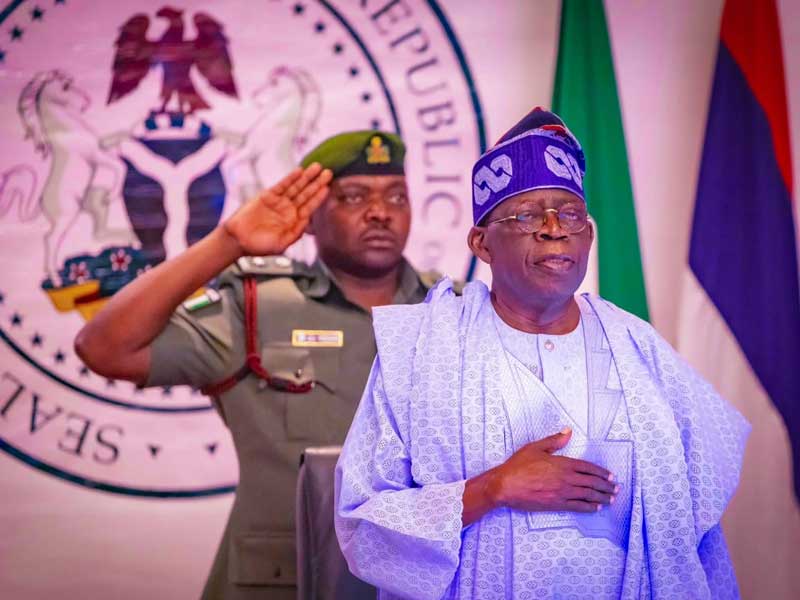
As President Bola Tinubu marked his second year in office, the country’s organised labour movement issued a scathing critique of his administration’s policies, asserting that instead of alleviating hardship, the government has deepened poverty and suffering across Nigeria. In a sharply worded statement, the Nigeria Labour Congress (NLC), led by President Joe Ajaero, declared that Tinubu’s much-touted economic reforms have plunged more than 150 million Nigerians into multidimensional poverty, with workers and the poor bearing the brunt.
Ajaero accused Tinubu of recycling failed neoliberal policies under the guise of reform. “You cannot cure a patient by prescribing the poison that made them sick in the first place,” he said, referencing the removal of fuel subsidies and naira devaluation as causes of hyperinflation, unaffordable transportation, and collapsing local industries.
FG Launches CNG Buses In Nigerian Universities To Cut Transport Costs And Promote Clean Energy
Fuel Subsidy Removal and Its Aftershocks
One of Tinubu’s first major actions as president was the abrupt removal of the petrol subsidy, which immediately pushed fuel prices from N187 to over N600 per litre. The administration argued that the move was necessary to free up funds for national development. However, labour leaders said Nigerians have yet to see the benefits. Instead, inflation soared, and transport costs devoured workers’ earnings.
“The government promised re-investment but delivered economic chaos,” said the NLC. The union added that many families now skip meals due to rising food costs, while small businesses are folding daily due to high operating expenses.
Though Tinubu claimed in his national address that Nigeria’s external reserves rose from $4 billion in 2023 to $23 billion in 2024, the NLC dismissed such statistics as “cold comfort” to struggling citizens. “Economic performance is measured by lived experiences, not by selective data,” Ajaero stated.
Currency Reform or Currency Collapse?
Tinubu’s unification of multiple exchange rates was another pillar of his reform agenda. Intended to attract foreign investment and enhance transparency, the policy instead led to a sharp depreciation of the naira. The NLC described the currency policy as disastrous, accusing it of importing inflation and crippling local manufacturers.
“The naira’s collapse has turned Nigeria into a bargain market for neighbouring countries while suffocating our industries,” Ajaero argued. “We’ve seen this script before — devaluations and IMF-sanctioned austerity — and it has never worked.”
Labour Accuses FG of Authoritarianism
Beyond economic grievances, the NLC accused the federal government of an increasingly hostile stance toward organised labour. It cited unpaid wage awards, intimidation of union leaders, and disregard for court rulings as evidence of authoritarian governance.
“For Nigerian workers, it has been two years of brutality, suppression, and broken promises,” Ajaero said.
The NLC further decried worsening insecurity, saying discussions about economic reform are pointless if Nigerians cannot live or work in safety. “From kidnappings to insurgency, the security situation has continued to deteriorate,” the union noted.
State-Level Labour Leaders Echo National Concerns
Across the country, state labour leaders echoed the national body’s criticism. In Kwara, NLC Chairman Saheed Olayinka said, “The people can’t afford three square meals. The insecurity isn’t resolved, and the naira keeps crashing.”
Similarly, TUC Chairman in Bauchi, Sabiu Barau, argued that workers are barely surviving. “The N70,000 minimum wage is inadequate. Some workers only received N10,000 increases due to poor implementation,” he said.
Akwa Ibom NLC Chair Sunny James challenged Tinubu to show concrete evidence of progress. “Nigerians are tired of promises. What we need is action,” he stressed.
Benue State’s TUC Chair Gideon Akaa called Tinubu’s assertion that “the worst days are over” laughable. “Have prices dropped? Has the exchange rate improved? Can N70,000 feed a family of four in a month?” he asked.
Kaduna State’s NLC Chair Suleiman Ayuba demanded that the president “walk the talk.” “We’ve heard enough rhetoric. Nigerians are still waiting for those so-called goodies.”
In Jigawa, NLC’s Sunusi Maigatari rejected Tinubu’s claims outright, citing unprecedented inflation and hardship. Bayelsa and Imo State labour leaders also criticised the administration for worsening insecurity and poor electricity supply, asserting that conditions have not improved.
APC Defends Tinubu’s Reform Agenda
In response, the All Progressives Congress (APC) pushed back against the NLC’s critique. The party’s National Vice Chairman for the South-East, Dr. Ijeoma Arodiogbu, dismissed the union’s statements as superficial and politically motivated.
“The NLC’s statement was sponsored and lacked depth,” Arodiogbu said. “They should consult economists before making such grandstanding remarks.”
Arodiogbu defended Tinubu’s reforms, describing them as tough but necessary decisions that are laying the foundation for long-term growth. “He is not pursuing populist policies but honest reforms for a sustainable future,” he added.
The APC official noted that Tinubu’s leadership style includes transparency and openness about the challenges Nigeria faces. “It’s often after a government leaves office that the full extent of its achievements is recognised,” he argued.
Mixed Reactions to CNG and Infrastructure Initiatives
While criticising many government policies, the NLC acknowledged the federal government’s provision of CNG buses to reduce transport costs. However, they noted that the intervention was grossly inadequate due to infrastructural gaps in gas distribution.
Some labour leaders, like Gbenga Ekundayo from Lagos, also praised ongoing infrastructure projects, especially road construction. He noted that such projects could improve trade and create jobs, but called for transparency in spending.
Ekundayo also called for a shift from consumption subsidies to production support, urging the government to prioritise manufacturing, agriculture, and research-driven development.
As President Tinubu enters the second half of his first term, his administration is faced with a divided national sentiment. While the government touts increased reserves, improved fiscal management, and long-term goals, labour leaders and millions of ordinary Nigerians see worsening poverty, inflation, and insecurity.
The call from organised labour is clear: economic policies must centre on the people, not creditors or theoretical gains. Without addressing the immediate pain of the populace and ensuring fair wage implementation, the optimism expressed in the president’s anniversary speech will remain a distant dream for many.









Leave a Comment
Your email address will not be published. Required fields are marked with *