
Band A Tariff Reform Saved GENCOs from Collapse, Says NDPHC Boss Jennifer Adighije The Managing Director and CEO of the Niger Delta Power Holding Company (NDPHC), Jennifer Adighije, has stated that the implementation of cost-reflective tariffs for Band A electricity consumers has significantly improved the financial viability of Nigeria’s power generation sector. Speaking on
Band A Tariff Reform Saved GENCOs from Collapse, Says NDPHC Boss Jennifer Adighije
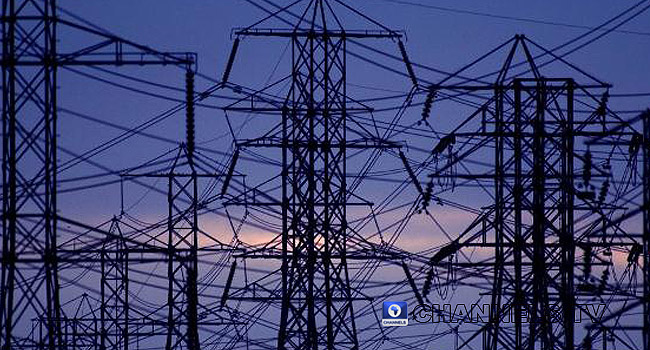
The Managing Director and CEO of the Niger Delta Power Holding Company (NDPHC), Jennifer Adighije, has stated that the implementation of cost-reflective tariffs for Band A electricity consumers has significantly improved the financial viability of Nigeria’s power generation sector. Speaking on Channels Television’s Politics Today on Thursday, Adighije credited the policy with averting the collapse of Generation Companies (GENCOs) and bringing much-needed liquidity into the electricity market.
“Tinubu Warns Governors On Land Approvals, Champions Legacy Infrastructure Projects”
“Tariff Adjustment Changed the Game for GENCOs”
Adighije lauded the Minister of Power, Adebayo Adelabu, for taking what she described as a “bold and courageous” step in introducing the Band A tariff structure. This initiative, she said, has shifted the energy landscape from crisis management to cautious optimism.
“Before this policy, we were getting only about 10% of our invoices settled,” she explained. “That meant we couldn’t cover our operational (OPEX) or capital expenditure (CAPEX) obligations. But now, with this reform, we are seeing a 30% invoice settlement, which has been a game-changer.”
The Band A customers, representing just 15% of the entire electricity consumer base, are those guaranteed a minimum of 20 hours of power supply daily. Their higher tariffs are now allowing power companies to recover costs more effectively.
According to Adighije, the sector’s liquidity has jumped from ₦1 trillion to ₦1.7 trillion, marking a 70% improvement. This growth, she emphasized, is key to restoring confidence and efficiency in the electricity market.
GENCOs Still Owed ₦600 Billion Despite Gains
Despite the improvements, Adighije disclosed that GENCOs are still burdened by massive debts amounting to ₦600 billion. A significant ₦400 billion of this is owed by the federal government through the Nigerian Bulk Electricity Trading (NBET) company.
“The debts are a combination of liabilities from government entities and private off-takers,” she noted. “While the Band A tariff reform has helped stabilize operations, there remains a huge financial hole that needs to be filled for the sector to achieve full recovery.”
She cautioned that sustained progress in the electricity industry would depend on the government’s willingness to clear its outstanding debts and foster a more transparent and accountable market environment.
‘Nigerians Must Choose: Pay or Subsidize’
On the broader question of achieving 24/7 electricity supply in Nigeria, Adighije offered a stark but realistic perspective. According to her, the cost of generating and distributing electricity cannot be overlooked.
“Electricity isn’t cheap,” she said plainly. “We either have to pay what it costs to have uninterrupted power, or the government must be willing to offer smart, effective subsidies.”
She proposed leveraging technology—such as AI-powered smart meters—to apply subsidies in a more targeted and accountable way. This method, she said, could help avoid waste and ensure that only those in genuine need benefit from government assistance.
“With smart meters, subsidies can be applied based on consumption levels. This way, we achieve fairness and efficiency simultaneously.”
Reforms Will Take Time, But Progress Is Evident
When asked whether the current administration had fulfilled its promise to double electricity generation, Adighije insisted that the government was on the right track. She pointed to the landmark achievement of hitting 6,000 megawatts of power generation on March 2, 2024—a peak level in Nigeria’s energy history.
“Transformation doesn’t happen overnight,” she said. “We’re making consistent progress, and that’s what matters.”
She also highlighted legislative and regulatory foundations laid by President Bola Tinubu’s administration, especially the passage of the new Electricity Act, which has decentralized the sector and allowed for more bilateral agreements and private sector participation.
“The Electricity Act has been a game-changer,” Adighije emphasized. “It has given the market room to breathe, to innovate, and to compete. That’s exactly what we need to sustain long-term growth.”
The Road Ahead for Nigeria’s Power Sector
With liquidity improving and new policies reshaping the electricity market, the outlook for Nigeria’s power sector is cautiously optimistic. However, Adighije stressed that more work is required—particularly in debt recovery, infrastructure investment, and the effective application of subsidies.
As discussions about electricity reform continue, one message stands clear from the NDPHC boss: for Nigeria to enjoy reliable power, all stakeholders—including consumers, government bodies, and private companies—must make tough, deliberate choices that favor long-term sustainability over short-term convenience.














Leave a Comment
Your email address will not be published. Required fields are marked with *