
“I Want to Be Remembered as a Leader Who Didn’t Steal” Amaechi Former Rivers State Governor and ex-Minister of Transportation, Rotimi Amaechi, has shared a candid reflection on how he hopes to be remembered in Nigeria’s political history. In a heartfelt interview with Arise Television, Amaechi declared that one of his deepest desires is
“I Want to Be Remembered as a Leader Who Didn’t Steal” Amaechi
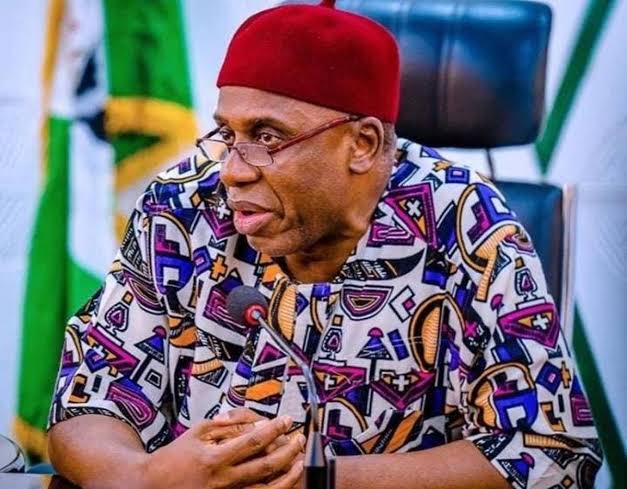
Former Rivers State Governor and ex-Minister of Transportation, Rotimi Amaechi, has shared a candid reflection on how he hopes to be remembered in Nigeria’s political history. In a heartfelt interview with Arise Television, Amaechi declared that one of his deepest desires is to be remembered as “a leader who refused to steal,” emphasizing that integrity and service were central to his time in office.
In the wide-ranging conversation, Amaechi expressed a profound sense of responsibility, stating, “I want to be remembered as someone who tried. A man who worked for his people, who wasn’t perfect but gave it his all. A father, who cared, a husband who tried, and a leader who refused to steal.” These words underscore a legacy he hopes to preserve—not one of perfection, but of purposeful dedication and moral uprightness.
OAU Protest Drama: Students Arrested For Demanding Justice During Wike’s Lecture
Amaechi, who governed Rivers State from 2007 to 2015 and served as Minister of Transportation from 2015 to 2022, was often viewed as a key political figure in the administration of former President Muhammadu Buhari. Throughout his tenure, he was known for initiating major infrastructural projects, particularly in the transport sector, including the revival of Nigeria’s railway system. However, controversy and political rivalry frequently trailed his career, especially within Rivers State.
During the interview, when asked about his future plans, Amaechi offered a spiritual and philosophical perspective. “Only God knows. I’m still active and still involved,” he said. “But I’ve also learned that sometimes it’s okay to step back, to rest, and to reflect. I’m open to what God wants me to do next.” This signals a more introspective phase of his life, where public service may take a backseat to personal restoration and spiritual direction.
Amaechi also revealed a more emotional side as he discussed his current detachment from Rivers State. He disclosed that he no longer visits his home state due to the emotional distress caused by the deterioration and neglect of projects he championed during his administration. “It breaks me,” he confessed. “I get a mental breakdown when I see what has become of those projects.”
These projects, which spanned infrastructural, educational, and health sectors, were once the pride of his government and supporters. The former governor specifically lamented what he termed the “vandalism and abandonment” of public assets, a situation he believes erases years of hard work and public investment. Amaechi’s remarks serve as a critique of his successors, who he suggests have failed to maintain or build upon the developmental groundwork he laid.
His frustrations shed light on a broader issue in Nigerian politics: the apparent lack of continuity and maintenance in government projects. Often, incoming administrations ignore or undo the work of their predecessors due to political rivalry, personal vendettas, or lack of strategic vision. This practice not only leads to wastage of public funds but also deprives citizens of long-term benefits.
Amaechi’s interview is not just a personal recount of political life but also a cautionary tale. It reflects the emotional toll that public service can take on even the most seasoned leaders, especially when legacies are overlooked or intentionally dismantled. His plea for remembrance is not merely about self-image but a call to uphold values often missing in Nigeria’s leadership space—honesty, effort, and service beyond self.
Despite the current political uncertainty, Amaechi’s name continues to resonate in national discussions. His role in shaping transportation infrastructure and his tenure as a state governor remain key aspects of his political identity. However, it is his insistence on being recognized for integrity that may ultimately define his legacy.
In an era where corruption and mismanagement often overshadow governance, Amaechi’s assertion that he “refused to steal” stands as both a personal defense and a public challenge to Nigeria’s political elite. As he steps back to reflect on his journey, one thing remains clear: Rotimi Amaechi seeks to leave behind not just buildings or roads, but a reputation built on principles.











Leave a Comment
Your email address will not be published. Required fields are marked with *