
Peter Obi Defends Subsidy and Naira Policy Plans, Criticizes Tinubu’s “Haphazard” Implementation Abuja, Nigeria – Former Anambra State governor and 2023 Labour Party presidential candidate, Peter Obi, has weighed in on two of Nigeria’s most controversial economic reforms — petrol subsidy removal and the floating of the naira — stating that while he supports both
Peter Obi Defends Subsidy and Naira Policy Plans, Criticizes Tinubu’s “Haphazard” Implementation
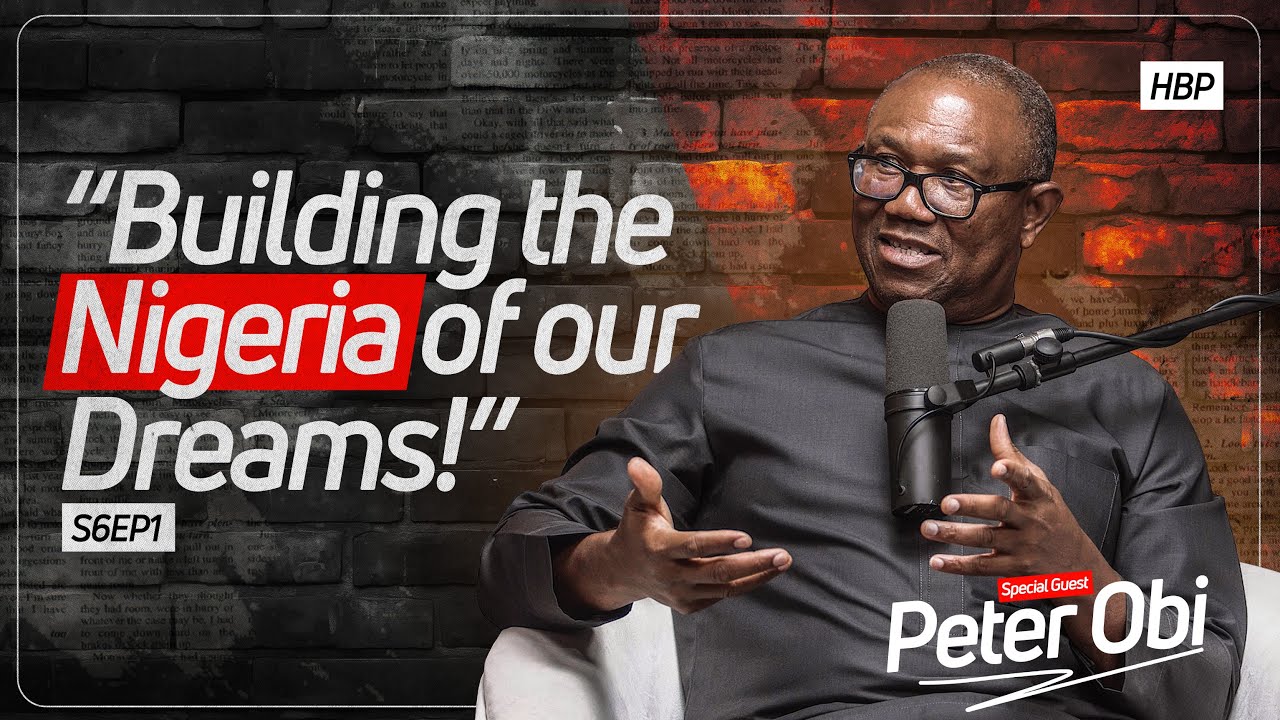
Abuja, Nigeria – Former Anambra State governor and 2023 Labour Party presidential candidate, Peter Obi, has weighed in on two of Nigeria’s most controversial economic reforms — petrol subsidy removal and the floating of the naira — stating that while he supports both policies, their implementation under President Bola Tinubu has been chaotic and damaging.
Speaking in a public engagement, Obi clarified that, had he been elected president in 2023, he would have pursued the same reforms but in a “gradual and organised manner,” ensuring that the country was better prepared to absorb the shocks that followed the abrupt policy shifts.
PDP Leaders Divided Over Sanctions For Anti-Party Activities Ahead Of 2027 Elections
Obi: I Would Have Removed Subsidy — But With Strategy
President Tinubu made global headlines on May 29, 2023, during his inauguration, when he unexpectedly declared “subsidy is gone,” signaling an immediate end to Nigeria’s decades-long petrol subsidy program. The announcement caused petrol prices to jump from ₦190 to over ₦500 per litre overnight, eventually surpassing ₦1,000 in some regions before slightly retreating to around ₦880 in Lagos.
Peter Obi did not fault the policy itself but the method of implementation. “There is nothing wrong with the removal of fuel subsidy. What is wrong is the haphazard way in which it was announced and implemented,” Obi stated.
He stressed that subsidy removal should not be treated as a standalone fiscal measure but as part of a broader economic plan. “I have consistently maintained that I would have removed the fuel subsidy. If you go to my manifesto, it is there — and the steps I would have taken in an organised manner,” he said.
Where Are the Savings from Subsidy Removal? Obi Questions
Obi further expressed concern over the lack of transparency regarding the financial gains from the subsidy removal. “Since we were told that we removed it because we don’t want to borrow, and that the funds will allow for investments in critical infrastructure — billions saved. Where is it? Where is it invested in critical areas of development?”
He argued that sectors such as education, healthcare, and poverty alleviation — which the subsidy savings were supposed to support — have not seen significant progress since the policy took effect.
“Everybody knows critical areas of development — education, health, and pulling people out of poverty. Have any of these three improved? No,” Obi lamented.
On Floating the Naira: Reform Must Meet Readiness
The Labour Party leader also commented on the floating of the naira, which saw the Central Bank of Nigeria (CBN) adopt a more market-driven exchange rate regime. The naira subsequently depreciated significantly against the dollar, at times trading for over ₦1,500 per dollar, compounding inflationary pressures.
Obi agreed that currency liberalisation is a viable policy — but only when backed by a productive economy. “There’s nothing wrong with floating your currency. There’s nothing wrong with even devaluing your currency. But you do this when you have productivity,” he asserted.
He explained that the goal of floating a currency is to attract investment and make exports competitive by lowering the local currency’s value, but that strategy only works if a country is producing goods and services that can be exported.
“What devaluation or floating does is that your currency becomes, in terms of value, low. You attract investment. Your products become more marketable. But where we are unproductive, you have nothing to sell. So it’s a double whammy.”
Obi’s Alternative Approach: Productivity First
Had he been in charge, Obi said he would have first ramped up national productivity — especially in agriculture and manufacturing — before floating the currency or removing subsidies. He underscored that reforms without foundational economic readiness could worsen hardship.
“In all of this, I would have done the same thing in an organised manner,” Obi reiterated, distancing himself from the perception that he would have avoided difficult decisions. Instead, he positioned himself as someone who embraces reform, but with preparation and clear objectives.
Obi’s remarks add fuel to the growing public debate about the effectiveness and consequences of Tinubu’s economic policies. While the administration has insisted its decisions were necessary to save Nigeria from financial collapse, critics argue that poor planning has plunged many Nigerians deeper into poverty.
Obi’s call for “organised reform” may resonate with voters and economists who agree that while Nigeria needs bold changes, the path forward must be carefully mapped out to prevent avoidable suffering.







Leave a Comment
Your email address will not be published. Required fields are marked with *