
Tomato Prices Soar in Kaduna Amid Sallah Demand and Low Farm Output In recent weeks, consumers across Kaduna State and other parts of Nigeria have been grappling with soaring tomato prices. The Kaduna State chapter of the Tomatoes Growers and Processors Association of Nigeria (TOPAN) has identified the root causes behind this seasonal surge, attributing
Tomato Prices Soar in Kaduna Amid Sallah Demand and Low Farm Output
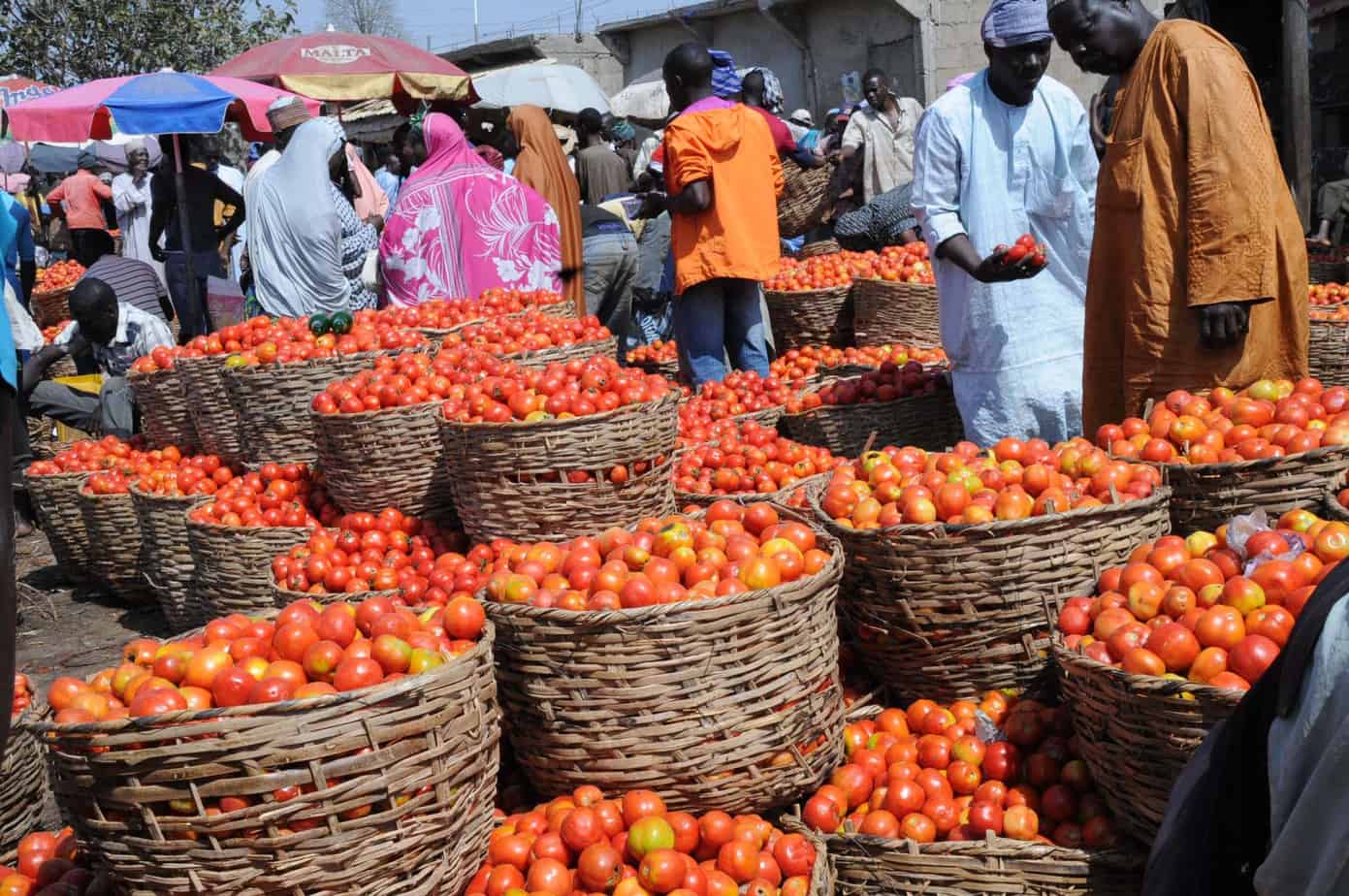
In recent weeks, consumers across Kaduna State and other parts of Nigeria have been grappling with soaring tomato prices. The Kaduna State chapter of the Tomatoes Growers and Processors Association of Nigeria (TOPAN) has identified the root causes behind this seasonal surge, attributing it to a combination of heightened demand during the Sallah celebrations and reduced production output by farmers.
Speaking with the News Agency of Nigeria (NAN) on Wednesday in Lagos, Rabiu Zuntu, Chairman of TOPAN in Kaduna, clarified the dynamics fueling the temporary spike in prices. He emphasized that the issue was not structural but rather the result of cyclical market behavior associated with festive seasons.
“The reason for the hike of the produce can be closely linked to the increased demands during the festivities and the low production output of farmers,” Zuntu explained.
Reno Omokri Accuses Peter Obi Of Deepening Poverty In Anambra, Hails Tinubu’s Economic Decisions
Tomato Price Surge: The Role of Festivities and Low Yield
As one of Nigeria’s most consumed vegetables, tomatoes are a staple in virtually every household. Prices remained relatively stable in the weeks leading up to Eid al-Adha. However, as the Sallah celebrations drew nearer, a sharp increase in demand caused prices to spike almost overnight.
Zuntu elaborated on this trend, noting that festive seasons like Sallah and Easter typically see a significant uptick in food consumption. This surge puts pressure on existing supplies, especially when farm yields are already low due to seasonal farming cycles or environmental factors.
“The main reason for the consistent rise in the price of tomatoes in recent times is the high demand of the produce and low productivity level of the farmers,” he said.
According to Zuntu, the current price fluctuations are not entirely unexpected. Tomatoes, like many agricultural products, are vulnerable to cyclical disruptions—especially when increased consumption aligns with production downturns.
Transportation Woes Add to Tomato Price Woes
Aside from the forces of supply and demand, the cost of transporting tomatoes from rural farms to urban markets has also played a significant role in driving up prices. Rising fuel costs, poor road infrastructure, and middleman markups have collectively contributed to the end-cost paid by consumers.
Zuntu acknowledged this factor, noting that the logistics of tomato distribution are increasingly becoming a burden for farmers and traders alike.
“Transportation has also played a significant role in the price increase, especially during the festive period,” he remarked.
Tomatoes are perishable and highly sensitive to heat and pressure, making timely and efficient transportation essential. Any delay or disruption can result in spoilage, further reducing the volume of tomatoes reaching markets and driving prices higher.
Stabilization Expected Soon, Says TOPAN
While the current price levels may be a cause for concern among consumers, Zuntu reassured the public that the situation is temporary. As the Sallah celebrations taper off and demand returns to normal levels, prices are expected to stabilize within a couple of weeks.
“After the festivities, in a week or two everything will go back to normal; expect the price of tomatoes to normalise then,” he stated optimistically.
This forecast aligns with broader agricultural market trends in Nigeria, where price spikes tied to festive events usually subside shortly afterward. However, Zuntu’s comments also highlight the need for longer-term solutions to minimize future price volatility.
Boosting Productivity and Infrastructure
Experts believe that to achieve more consistent pricing in agricultural produce like tomatoes, Nigeria must address root challenges in its farming and distribution systems. Increasing farm productivity through modern agricultural techniques, irrigation systems, and fertilizer support could help stabilize output across different seasons.
Moreover, investment in transport infrastructure—such as cold storage, better road networks, and efficient market access—could ease the pressure on farmers and reduce price shocks caused by logistics hurdles.
TOPAN’s insight into the current tomato price hike serves as a reminder of how interconnected Nigeria’s agricultural ecosystem is, and how critical timely interventions are in maintaining food security and affordability for millions of citizens.

















Leave a Comment
Your email address will not be published. Required fields are marked with *