
Public sees lawmakers as providers not policymakers warns Nigerian senator – Senator Yemi Adaramodu Abuja, Nigeria – Senator Yemi Adaramodu, the official spokesperson of the Nigerian Senate, has voiced strong concerns about what he described as widespread societal misconceptions regarding the true role of legislators. Speaking during an appearance on Channels Television’s Politics Today on
Public sees lawmakers as providers not policymakers warns Nigerian senator – Senator Yemi Adaramodu
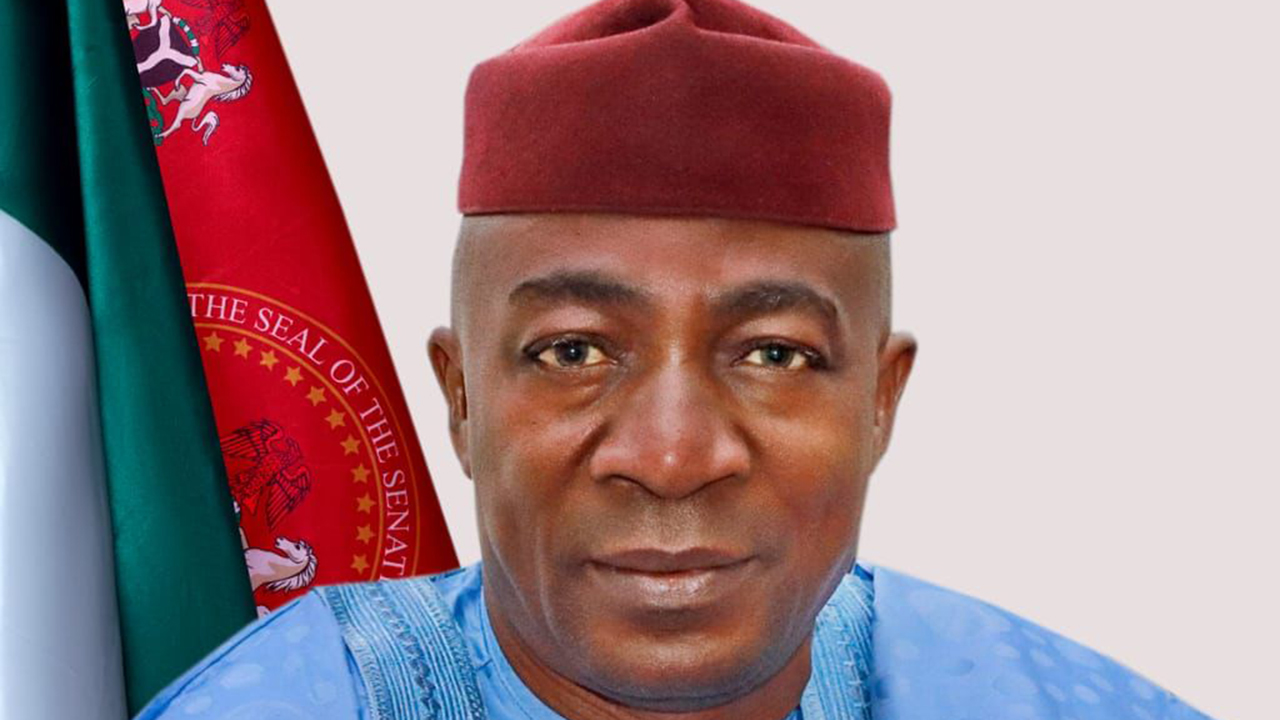
Abuja, Nigeria – Senator Yemi Adaramodu, the official spokesperson of the Nigerian Senate, has voiced strong concerns about what he described as widespread societal misconceptions regarding the true role of legislators. Speaking during an appearance on Channels Television’s Politics Today on Friday, the Senator lamented the increasing pressure on lawmakers to act as personal benefactors to their constituents.
Representing Ekiti South Senatorial District and serving as Chair of the Senate Committee on Media and Publicity, Adaramodu gave a candid account of how public expectations have stretched beyond constitutional boundaries into personal demands that include funding naming ceremonies, building homes, and addressing everyday domestic issues.
Senate Considers Expanding Supreme Court To 30 Justices Amid Rising Caseloads
Misplaced Expectations Burden Nigeria’s Legislators
“When a child is born in the constituency, the first call is to the Senator—for naming ceremony support,” Adaramodu said. “When someone is constructing a new home, they ask us for help with building materials or funds.”
The lawmaker made it clear that while elected representatives are mandated to make laws, perform oversight functions, and represent the interests of the people, the current societal dynamics have pushed legislators into roles akin to community philanthropists. According to him, this shift has created unsustainable pressure on National Assembly members who must balance legislative duties with a constant stream of personal financial appeals.
Adaramodu argued that this situation reflects deeper social and economic issues in the country and pointed out that such expectations are not enshrined in the Nigerian Constitution but have instead evolved into an unwritten rule of political engagement.
Responding to Calls for Part-Time Legislature
The senator’s comments were in response to ongoing public debates about whether Nigeria’s National Assembly—made up of 109 Senators and 360 House of Representatives members—should operate on a part-time basis to reduce government expenditure.
Firmly opposing the suggestion, Adaramodu warned that reducing parliamentary activity to a part-time status would jeopardize the integrity of Nigeria’s democratic institutions. “If the parliament is on part-time, it means democracy is on part-time,” he stated. “There is no democracy that derides its parliament and thrives.”
He emphasized that lawmakers are not limited to legislative sessions, but are actively involved in oversight functions, advocacy, constituency engagement, and even policy monitoring. “We are the bridge between the people and the government. We are their only visible and reachable arm of governance,” he said.
“We Are the People’s Only Government Contact”
Senator Adaramodu also touched on a critical issue: the lack of accessibility to other arms of government. According to him, most Nigerians never have direct contact with members of the executive or judiciary, making lawmakers the only accessible public officials for many citizens.
“It will just be bewildering that even out of the three arms of government we have in Nigeria, it is only the parliament and parliamentarians that our people have access to,” Adaramodu noted. This, he explained, is why the public tends to place both administrative and personal burdens on lawmakers.
While calling for greater public education on the defined role of legislators, Adaramodu also challenged critics who frequently target the National Assembly for budgetary cuts, arguing that undermining the legislature would weaken democratic governance and stall national development.
Bridging the Gap Between Governance and Social Realities
Senator Adaramodu’s remarks reflect a broader identity crisis in Nigerian politics, where the expectations of elected officials have become entangled with socio-economic struggles. Many constituents, faced with poverty and institutional failures at the local level, often turn to their lawmakers for immediate relief—ranging from medical bills to school fees.
Analysts say this phenomenon underscores the broken trust in local and state governance structures, leaving national lawmakers as default service providers for citizens’ most basic needs.
While the solution remains complex, some policy experts argue that improving local governance capacity and reforming public perception through civic education could relieve federal legislators of the undue burden and allow them to focus on their constitutional mandates.
Senator Adaramodu’s passionate defense of the National Assembly ultimately calls for rethinking the relationship between representatives and the represented in Nigeria’s democratic journey. He concluded by urging Nigerians to hold all arms of government accountable, not just the parliament.













Leave a Comment
Your email address will not be published. Required fields are marked with *