
Nationwide Outrage as Nigerians Reject Pro-GMO Campaign on National Radio Nigeria is facing a wave of public backlash following the broadcast of a government-endorsed radio campaign promoting genetically modified organisms (GMOs), sparking concerns over food sovereignty, lack of transparency, and suppression of dissent. The campaign, aired on a national government-backed station, has ignited a nationwide
Nationwide Outrage as Nigerians Reject Pro-GMO Campaign on National Radio
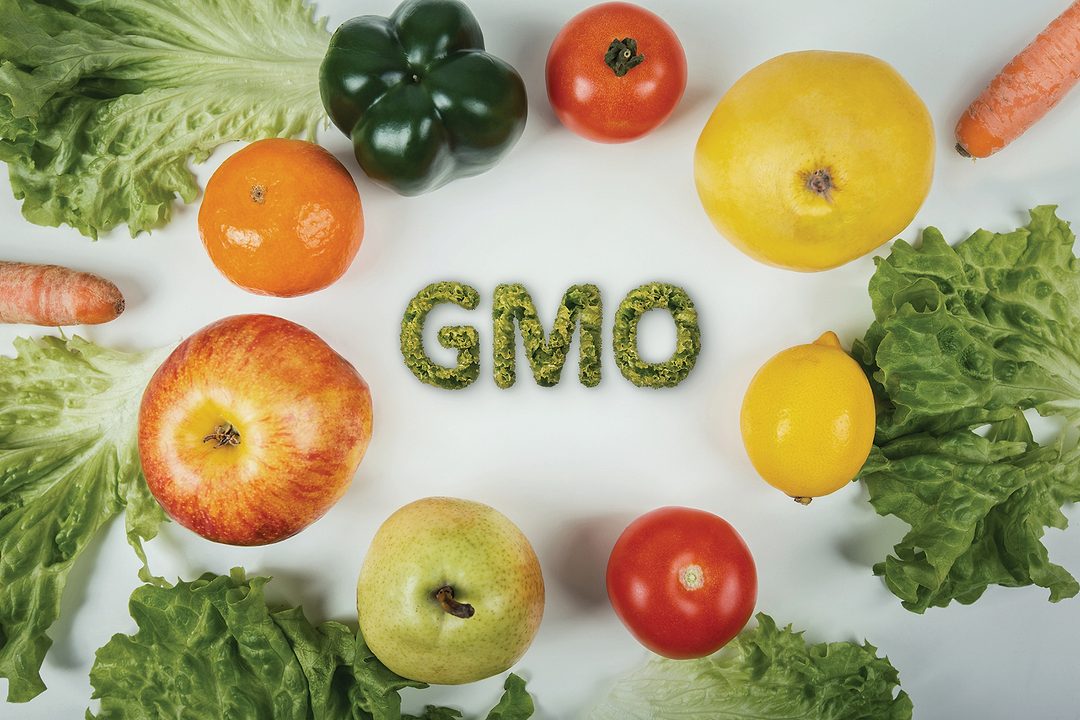
Nigeria is facing a wave of public backlash following the broadcast of a government-endorsed radio campaign promoting genetically modified organisms (GMOs), sparking concerns over food sovereignty, lack of transparency, and suppression of dissent. The campaign, aired on a national government-backed station, has ignited a nationwide debate, with civil society activists, farmers, and ordinary citizens accusing the Tinubu-led administration and regulatory agencies of endangering traditional agricultural systems in favour of foreign corporate interests.
Human rights activist Steven Kefas was among the first to raise the alarm, sharing his concerns in a strongly worded post on X (formerly Twitter) after hearing the programme. “We are in trouble. I just listened to a campaign for GMO on national radio. They referred to those of us expressing fears as ‘agents of misinformation.’ Guys, we need to do more than just social media campaigns against this evil,” Kefas warned.
His post triggered a storm of reactions from Nigerians who fear that the government is not only pushing GMO technology without proper public awareness but also marginalizing voices of dissent.
Governor Uba Sani Declares Tinubu’s 2027 Re-Election Bid “Unopposable” By Nigerian Governors
Public Distrust Deepens Over GMO Promotion
Social media platforms quickly became battlegrounds for the debate, as citizens voiced their frustrations over what they see as a deliberate campaign to infiltrate Nigeria’s food systems with genetically modified seeds. For many, this is not just a scientific issue—it is a matter of national and cultural survival.
“LET THEM CALL US ANYTHING, WE SAY NO TO GMO PERIOD! If GMO is good for human beings, you think Africa will be considered one of the places to allow it to come?” posted @ActivistJerry. “Truth and good things don’t need adverts or sponsorship. That’s not innovation. That’s invasion.”
Other users pointed fingers directly at government agencies, particularly the National Biosafety Management Agency (NBMA), accusing them of playing the role of promoters rather than regulators. “You should have listened to the DG of the National Biosafety Management Agency on Channels this morning. These regulators are the ones promoting it walahi,” wrote @Village_man01.
Critics believe that the promotion of GMO seeds is less about solving hunger and more about ceding control of Nigeria’s agriculture to powerful international corporations. The fear is that local farmers will be pushed into dependency on patented seeds and costly chemical inputs, leading to the erosion of traditional farming practices that have sustained communities for generations.
Farmers Caught in the Crossfire
Concerns are no longer theoretical. Personal stories are surfacing that reveal how genetically modified seeds are quietly making their way into family farms without proper labeling or consent. A user identified as @NdeChindoAmper shared a personal incident from Jos: “Bro, I came for holidays in Jos and momsy had planted her normal corn then popsy brought GMO seeds. Momsy had to separate them… their growth walahi is different. It can be seen visibly.”
The contrast in plant behavior, even in home gardens, has become a symbol of a wider issue: Nigerians are unknowingly becoming part of a massive agricultural experiment. And with the government actively backing the process, many feel powerless to resist.
@physDad voiced a growing concern about public complacency: “Our shouts end here most times. We can act against GMO, against the government and all those propagating GMO. How? Educate farmers… What will it take to crowdfund extension workers, equip them to go into farmlands especially into the rural areas to educate farmers?”
Silence from Professional Bodies Raises Alarm
Amidst the uproar, professional agricultural and scientific associations have remained largely silent, further fuelling public suspicion that institutional interests may be aligning with the biotech industry. “I watched the DG of National Biosafety Management on Channels this morning and I was so disappointed… It seems they’ve sold out already,” lamented @baba_jogunomi.
Some activists are now calling for alternative media strategies to counter the pro-GMO narrative. @phan2om proposed: “I say, let’s do a DOCUMENTARY on this and also open a podcast solely on this topic. This is as a matter of urgency.”
Call for Action as Distrust Escalates
With the radio campaign now serving as a flashpoint, voices like Kefas and others are pushing for a national mobilization effort. They warn that without public education and active resistance, Nigeria may soon find itself in a state where foreign entities control its food supply, and citizens are left with no real choice.
As outrage mounts and debates intensify, it remains to be seen how the government will respond to the swelling discontent. But one thing is clear—many Nigerians are no longer willing to remain silent about what they see as an existential threat to their food and their future.











Leave a Comment
Your email address will not be published. Required fields are marked with *