
“Oyinlola Slams Tinubu’s Leadership: From ‘Renewed Hope’ to ‘Renewed Agony’” Former Governor of Osun State, Prince Olagunsoye Oyinlola, has delivered a searing critique of President Bola Ahmed Tinubu’s administration, asserting that Nigerians are enduring a time of “renewed agony” rather than the promised “Renewed Hope.” The sharp remarks came during his appearance on Frontline, a
“Oyinlola Slams Tinubu’s Leadership: From ‘Renewed Hope’ to ‘Renewed Agony'”
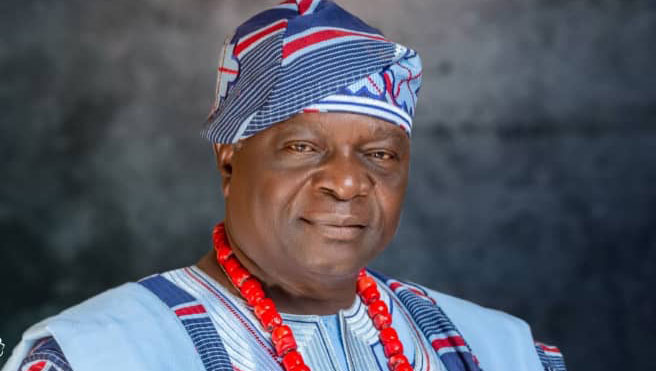
Former Governor of Osun State, Prince Olagunsoye Oyinlola, has delivered a searing critique of President Bola Ahmed Tinubu’s administration, asserting that Nigerians are enduring a time of “renewed agony” rather than the promised “Renewed Hope.” The sharp remarks came during his appearance on Frontline, a current affairs program broadcast on Eagle 102.5 FM, Ilese-Ijebu, Abeokuta.
Oyinlola, a retired army general who governed Osun State from 2003 to 2010, voiced deep concern about Nigeria’s economic trajectory, governance, and the deteriorating state of national affairs. He accused the Tinubu-led federal government of steering the country in the wrong direction, describing its policies as misguided and its results as damaging to ordinary citizens.
“When he was campaigning, he promised a Renewed Hope. What we are seeing now is nothing short of bad governance. The economy is in terrible shape, and it’s affecting every Nigerian,” Oyinlola remarked.
Who Succeeds INEC Chair? Rising Debate Over Tinubu’s Power And The Politics Of Appointment
 Renewed Agony, Not Renewed Hope
Oyinlola’s statements reflect a growing sense of national discontent. According to him, the reality on ground stands in stark contrast to Tinubu’s optimistic campaign rhetoric. He pointed to widespread poverty, the escalating cost of living, and increasing insecurity as clear signs of systemic failure.
“We have a very bad economy, bad security, and hard-biting poverty. The common man cannot afford basic medication,” he lamented, adding that the government appears absent in moments when decisive leadership is most needed.
The former governor also flagged the spread of religious tension, terrorism, banditry, and insurgency as contributing to Nigeria’s grim national outlook. “What we have is renewed agony, not renewed hope,” he concluded.
His condemnation comes amid nationwide frustration over the state of affairs in Nigeria, especially following the removal of fuel subsidies and the persistent instability of the naira. Many citizens continue to struggle with skyrocketing food prices, unstable electricity supply, and limited access to affordable healthcare.
Oyinlola’s views echo those of other public figures and civil society actors who have criticized the Tinubu administration for what they describe as lackluster economic policies and insufficient social safety nets. For these critics, the president’s pledges have thus far failed to materialize in any meaningful improvement in the lives of the average Nigerian.
Endorsement of Tinubu’s Re-election: A Political Calculation
The former governor also responded to questions about Osun State Governor Ademola Adeleke’s recent endorsement of President Tinubu’s 2027 re-election bid. While Adeleke and the Osun chapter of the Peoples Democratic Party (PDP) have publicly backed the President for a second term, Oyinlola clarified that such a move should not be viewed as a blanket ideological shift within the party.
“Yes, I am aware of the endorsement, and I won’t deny it. But it was a strategic political move, not necessarily a sign of ideological alignment or trust,” he stated.
The endorsement reportedly occurred during a PDP stakeholders’ meeting at the Government House in Oke-Fia, Osogbo. Party leaders there emphasized unity and a forward-looking approach in aligning with the President, though Oyinlola’s comments suggest deeper divisions may linger beneath the surface.
Despite the political maneuvering, Oyinlola’s remarks serve as a stark reminder of the widening gap between government messaging and citizen experience. His criticism may galvanize further public discourse around Nigeria’s current leadership, especially as 2027 approaches and political camps begin to reposition.
With economic pain still cutting deep and many Nigerians grappling with a cost-of-living crisis, Oyinlola’s voice adds weight to a national conversation increasingly defined by skepticism, hardship, and calls for accountability.









Leave a Comment
Your email address will not be published. Required fields are marked with *