
Amaechi Accuses INEC of Sabotaging Opposition’s 2027 Coalition Efforts In a revealing appearance on Channels Television’s Politics Today on Thursday, former Rivers State governor and ex-Minister of Transportation, Rotimi Amaechi, accused the Independent National Electoral Commission (INEC) of deliberately stifling efforts by opposition parties to unite and challenge the ruling All Progressives Congress (APC) in
Amaechi Accuses INEC of Sabotaging Opposition’s 2027 Coalition Efforts
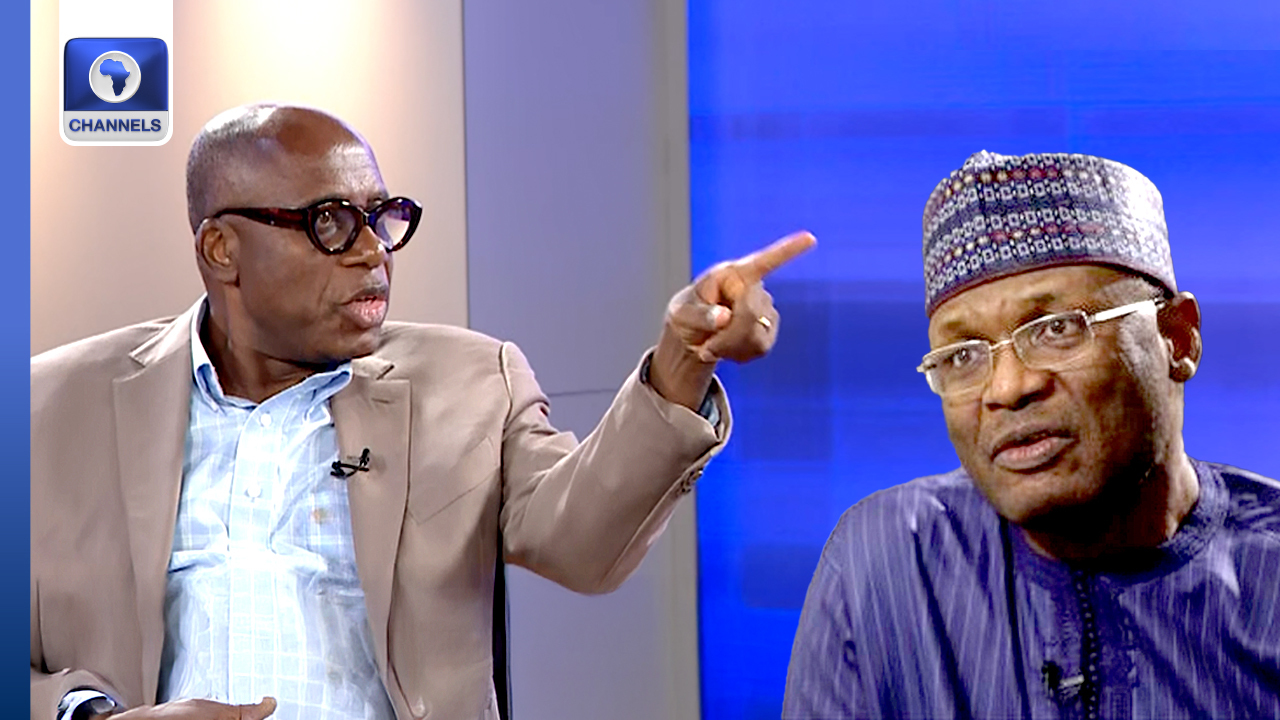
In a revealing appearance on Channels Television’s Politics Today on Thursday, former Rivers State governor and ex-Minister of Transportation, Rotimi Amaechi, accused the Independent National Electoral Commission (INEC) of deliberately stifling efforts by opposition parties to unite and challenge the ruling All Progressives Congress (APC) in the 2027 general elections. Amaechi, now aligned with the African Democratic Congress (ADC) and leading a committee to establish the All Democratic Alliance (ADA), described the political landscape as rigged in favour of the ruling party.
Amaechi expressed frustration at what he called a systematic blockage by INEC, which, according to him, has stalled the registration process for new political parties—particularly the ADA, a platform envisioned to serve as a unified front for opposition voices.
H2: A System Closed Off to True Competition
Using the keyword A, Amaechi painted a picture of Nigeria’s political arena as being “closed off,” with INEC allegedly serving the interests of the APC by frustrating the legal and logistical processes needed for new opposition parties to emerge. “The political space is closed for the benefit of the APC,” Amaechi stated. “I come to say that the INEC chairman is not ashamed.”
He added that although the coalition has temporarily adopted the ADC as its vehicle, it still plans to register the ADA as a full-fledged party. “If INEC had registered ADA, we would probably not have bothered about going to the ADC,” he said, confirming that the coalition is not stopping at temporary alliances but is pursuing broader structural political reform.
Amaechi alleged that INEC’s failure to process applications and the artificial requirements it has imposed—such as office addresses and official lists—are tactics meant to frustrate the momentum building within the opposition.
Tragedy In Mushin: 12-Year-Old Boy Killed By Stray Bullet During Cult Clash
Coalition Building and the Fight for 2027
Despite institutional obstacles, the opposition coalition appears to be gathering strength. On Tuesday, prominent political figures came together under the ADC banner in a move described by some analysts as a significant step toward forming a united front. Former Senate President David Mark has been appointed as the interim national chairman of the ADC, while ex-Osun State Governor Rauf Aregbesola serves as interim national secretary.
The coalition brings together heavyweights across party lines, including former Vice President and PDP presidential candidate Atiku Abubakar, Labour Party’s Peter Obi, and former Kaduna State Governor Nasir el-Rufai. These leaders have set aside partisan rivalries to forge a collective effort aimed at ending APC’s dominance in the next election cycle.
While speaking at the unveiling of the ADC platform, David Mark urged Nigerians to rally behind the opposition movement. “Let it be known to all that this coalition goes beyond gaining political power,” he said. “It is a concerted effort to rebuild the crumbling pillars of Nigeria’s democracy. The mission is clear: Rescue Nigeria. Rebuild Nigeria. Return power to the people.”
Amaechi Calls for Mass Mobilisation Against Rigging
Amaechi, meanwhile, said that the opposition’s most powerful weapon would be mass mobilisation. He stressed that Nigerians must rise to reject electoral fraud and defend their votes come 2027. “What ADC will do—and I said all of us would do that—is to mobilise Nigerians to rise, to vote, and to stop these people from rigging,” he declared. “Those who constitute this rigging machine are not up to two percent of the population. The rest 98 percent must get up and stop them.”
He criticised INEC for overseeing what he described as the worst elections in Nigeria’s democratic history, especially post-Maurice Iwu. “I would be ashamed,” he added, accusing the electoral body of eroding public trust.
Presidency and APC React to Coalition Talks
In response to the rising opposition momentum, President Bola Tinubu dismissed the movement as inconsequential. During a presidential visit to Nasarawa State on June 25, Tinubu referred to the coalition leaders as “politically displaced individuals,” suggesting they were united more by desperation than ideology.
The ruling APC also released a statement echoing the president’s sentiments, asserting that any coalition formed to challenge Tinubu in 2027 would “inevitably fail.” Party spokespersons described the alliance as a grouping of “spent forces” with no real agenda other than seeking to regain lost relevance.
However, political observers argue that while it remains too early to predict the outcome of the 2027 elections, the emergence of a unified and well-organised opposition could reshape Nigeria’s democratic trajectory—if institutional roadblocks such as INEC’s resistance are addressed.
For now, Amaechi and his coalition remain committed to pushing forward, despite the hurdles. “We’re not backing down,” he concluded. “If we don’t act now, we’ll only be left to cry again after 2027.”








Leave a Comment
Your email address will not be published. Required fields are marked with *