
“Constitutional Shake-Up: National Assembly to Reserve Seats for Women, Persons with Disabilities” the House of Representatives has proposed a constitutional amendment that would reserve 10 percent of seats in the National Assembly for women and 5 percent for persons with disabilities (PWDs). This ambitious reform, if enacted, would mark a historic milestone in Nigeria’s legislative
“Constitutional Shake-Up: National Assembly to Reserve Seats for Women, Persons with Disabilities”
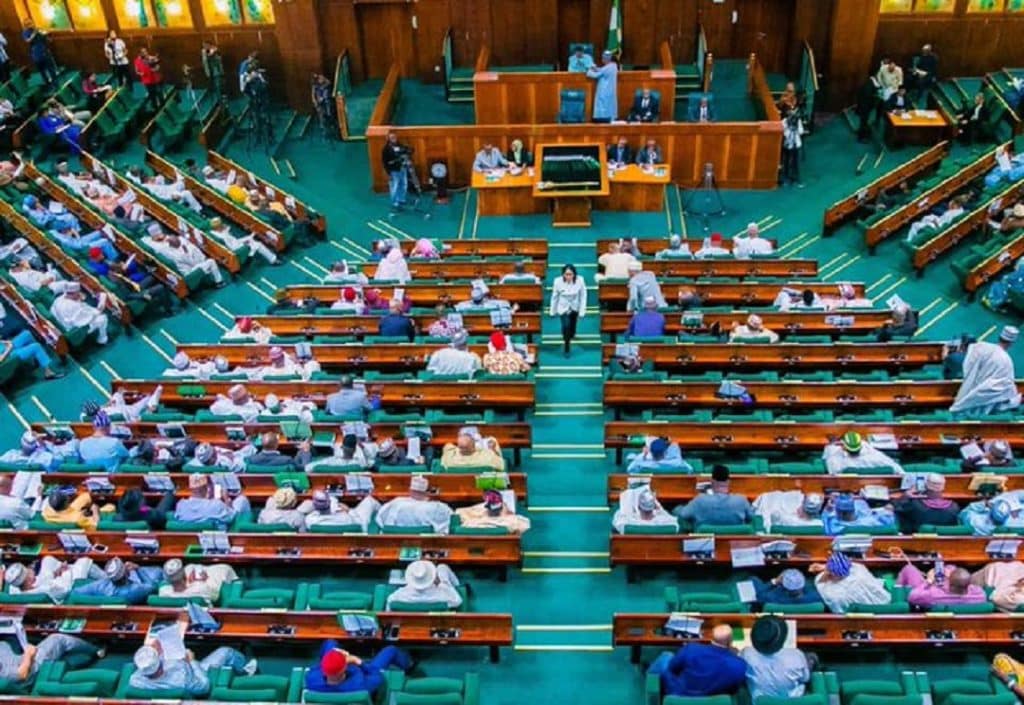
the House of Representatives has proposed a constitutional amendment that would reserve 10 percent of seats in the National Assembly for women and 5 percent for persons with disabilities (PWDs). This ambitious reform, if enacted, would mark a historic milestone in Nigeria’s legislative framework and transform the structure of parliamentary representation.
The Speaker of the House, Tajudeen Abbas, announced the proposal during the official opening of the 2025 National Assembly Open Week and the launch of the 10th House Midterm Legislative Scorecard, held in Abuja. His remarks underscored the growing recognition of the need to create space for marginalized groups within Nigeria’s political system.
“Kwankwaso Emerges As The Key Contender Ahead Of 2027 Elections”
Creating Space for Women and PWDs in Governance
Under the proposed amendment, a total of 83 new seats would be created in the National Assembly exclusively for women—55 in the House of Representatives and 28 in the Senate. This would increase the overall number of seats in the National Assembly from 469 to 552. In addition to the women’s quota, 5 percent of existing seats would be allocated to PWDs, with their candidates nominated by accredited advocacy organizations.
Speaker Abbas clarified that these reserved seats would not be symbolic. Instead, they would be filled through direct elections on separate ballots, with each state allocated a proportion to maintain regional equity. Representatives occupying the reserved seats would enjoy full legislative rights and responsibilities, including committee assignments and leadership opportunities.
“A central feature of our inclusive governance proposals is the introduction of constitutionally guaranteed reserved seats for women and persons with disabilities,” Abbas declared. “These seats will be filled through direct elections and distributed by state to ensure regional balance.”
A Step Toward Bridging the Gender Gap
The proposed gender quota addresses a long-standing issue in Nigeria’s political landscape—chronic underrepresentation of women in legislative bodies. Historically, female political participation in Nigeria has been alarmingly low. At independence in 1960, women occupied less than 1 percent of parliamentary seats. By 1990, the figure had barely moved to 2 percent. In the 1999 democratic transition, women held just 3.9 percent of the seats in the House of Representatives and 4 percent in the Senate.
Despite accounting for nearly half of Nigeria’s population, women remain grossly underrepresented in governance. The new proposal seeks to correct this disparity by setting a firm constitutional foundation for gender inclusion. “Today, despite constituting half the population, women’s representation remains stagnant,” Abbas emphasized.
The Speaker cited global precedents such as Rwanda and Senegal, where constitutional gender quotas rapidly elevated women’s representation in parliament from single digits to over 30 percent within a single electoral cycle. These examples, he argued, provide compelling justification for Nigeria to follow suit.
Empowering Persons With Disabilities
The inclusion of persons with disabilities in the amendment also reflects an evolving understanding of participatory democracy. Under the proposed framework, 5 percent of seats in the National Assembly would be allocated to PWDs. Unlike the women’s quota, these seats would not be created anew but carved from the existing structure, with candidates put forward by recognized disability advocacy bodies.
These representatives would be fully integrated into legislative activities, enjoying equal status and responsibilities as their counterparts. The initiative seeks to empower one of the country’s most overlooked constituencies and ensure their voices are represented in national policymaking.
Challenges and Prospects
While the proposal has been widely praised by civil society and gender equality advocates, it is expected to face scrutiny and debate within political and legal circles. Amending the Constitution requires approval from two-thirds of both chambers of the National Assembly and at least 24 of the 36 state assemblies—a process that has previously stymied similar reforms.
Still, the current momentum and support from the House leadership offer hope for a breakthrough. If successful, the amendment would not only boost inclusivity in Nigeria’s legislature but also set a new standard for democratic representation in Africa.
In a country where systemic inequality and political exclusion have persisted for decades, the proposed constitutional amendment represents a bold and potentially transformative step. By institutionalizing quotas for women and persons with disabilities, Nigeria stands on the brink of a legislative revolution—one that could reshape the nation’s democracy for generations to come.












Leave a Comment
Your email address will not be published. Required fields are marked with *