
Electricity Woes: Lagos Residents Dump Home Appliances Over Rising Tariffs and Poor Supply In a wave of growing frustration and economic hardship, many Lagos residents have begun abandoning everyday household appliances like freezers, electric irons, and fans due to skyrocketing electricity tariffs and unreliable power supply. What should have been a modern convenience has
Electricity Woes: Lagos Residents Dump Home Appliances Over Rising Tariffs and Poor Supply
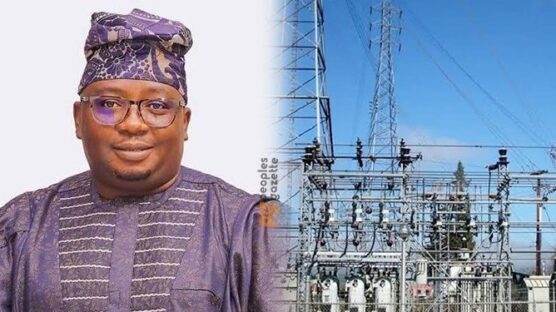
In a wave of growing frustration and economic hardship, many Lagos residents have begun abandoning everyday household appliances like freezers, electric irons, and fans due to skyrocketing electricity tariffs and unreliable power supply. What should have been a modern convenience has become an unaffordable burden for many, especially those forcefully placed on Band A — the highest electricity tariff category in Nigeria.
The recent reforms by the Federal Ministry of Power under Minister Adebayo Adelabu, which reportedly generated an additional ₦200 billion in 2024, are being met with public outcry rather than applause. For many Lagosians, these reforms have only worsened their access to affordable and reliable electricity. Despite being labelled as “Band A” customers—supposedly entitled to a minimum of 20 hours of daily power—most communities report receiving less than half of that.
Afenifere Faction Demands Tinubu’s Impeachment Over Alleged Conflict Of Interest In Coastal Highway Project
In areas like Aguda and Ayetoro in Surulere, residents have taken to the streets to protest what they term “oppressive billing” by Eko Electricity Distribution Company (EKEDC). Mr. Jimoh Ajala, a community leader, lamented that ₦10,000 worth of electricity units barely lasts two hours. “This is a residential area, not a commercial one. Yet, we are being charged as if we’re running industries,” he stated.
Similarly, Ayetoro’s Mr. Adeyanju revealed that residents were now spending more on electricity than their house rent. “We are paying more than our house rent for light. This is killing us. They should return us to Band D,” he demanded.
The frustration is widespread. In Ojokoro and Iyana-Ipaja, where many residents are petty traders and artisans, communities have started rationing electricity manually. According to Saturday Tribune, buildings now operate on strict power timetables to ensure equal usage among residents. In these areas, even watching television or ironing clothes has become a luxury.
Mr. Mukaila Alatise from Jankara in Ojokoro described how his community, once reliant on estimated billing, was “upgraded” to Band A with no improvement in service. “We get 13 hours of light on a good day, and even that is interrupted. Yet, we are billed like we enjoy uninterrupted supply,” he said. Many households have since banned the use of appliances like freezers, electric irons, and heaters.
Prepaid Meters, Broken Promises
For others, the solution was thought to lie in prepaid meters. Adeniran Olorunsogo, a fashion designer in Aboru, viewed the installation of a prepaid meter in his shop as a relief from estimated billing. But the joy was short-lived. “Sharing a meter has become a nightmare,” he explained, noting that unequal contributions for electricity tokens among shop tenants have led to frequent power shutdowns and conflicts.
The story is similar for Joseph Alore, a community leader in Lagos who experienced faulty meter installations. “Two of the new meters have not worked for weeks. To make them functional again, we were asked to pay ₦45,000 each for 200 units. People can’t afford it,” he said, lamenting the return to generator use in his area.
Government and DisCo Reactions: Too Little, Too Late?
In response to the uproar, Lagos State Commissioner for Energy and Mineral Resources, Biodun Ogunleye, acknowledged the disparity between the services expected and those delivered. “It’s painful when people pay Band A rates but don’t receive up to five hours of power,” he admitted. He added that regulatory authorities are currently reviewing the tariff system and would soon introduce a methodology tied to actual service performance.
Meanwhile, an official from one of the Lagos-based DisCos, speaking anonymously, conceded that blame lies across the entire power sector. “No service provider enjoys making life difficult. But everyone, from government to regulators and consumers, must take responsibility,” he said.
A Broken System in Need of Urgent Reform
Nigeria’s electricity consumers are categorized into five tariff bands (A to E), based on the hours of power supplied. Band A customers are promised over 20 hours of electricity per day, in exchange for the highest tariffs. However, in practice, many receive far less, making the categorization seem more like a pricing trap than a performance-based system.
The failure to deliver consistent power, while charging premium rates, is pushing many Lagosians to revert to fuel-powered generators, abandon essential appliances, and adopt communal electricity schedules. In some cases, it has even led to public protests and legal actions.
The hardship is especially pronounced in low-income communities, where tenants live paycheck to paycheck. With inflation, high rent, and transportation costs already choking household budgets, electricity—once considered a basic utility—has become unaffordable.
The outcry from Lagos should serve as a wake-up call for energy regulators, distribution companies, and the Federal Government. Without urgent reform, the widening gap between tariffs and service delivery will continue to erode public trust and further strain an already burdened populace.














Leave a Comment
Your email address will not be published. Required fields are marked with *