
FG Approves National Industrial Relations Policy 2025 to Curb Labour Strikes In a decisive move to mitigate frequent industrial actions and reshape Nigeria’s labor relations framework, the Federal Government has approved the National Industrial Relations Policy (NIRP) 2025. The policy, aimed at addressing the persistent unrest within the country’s workforce, was sanctioned during the Federal
FG Approves National Industrial Relations Policy 2025 to Curb Labour Strikes
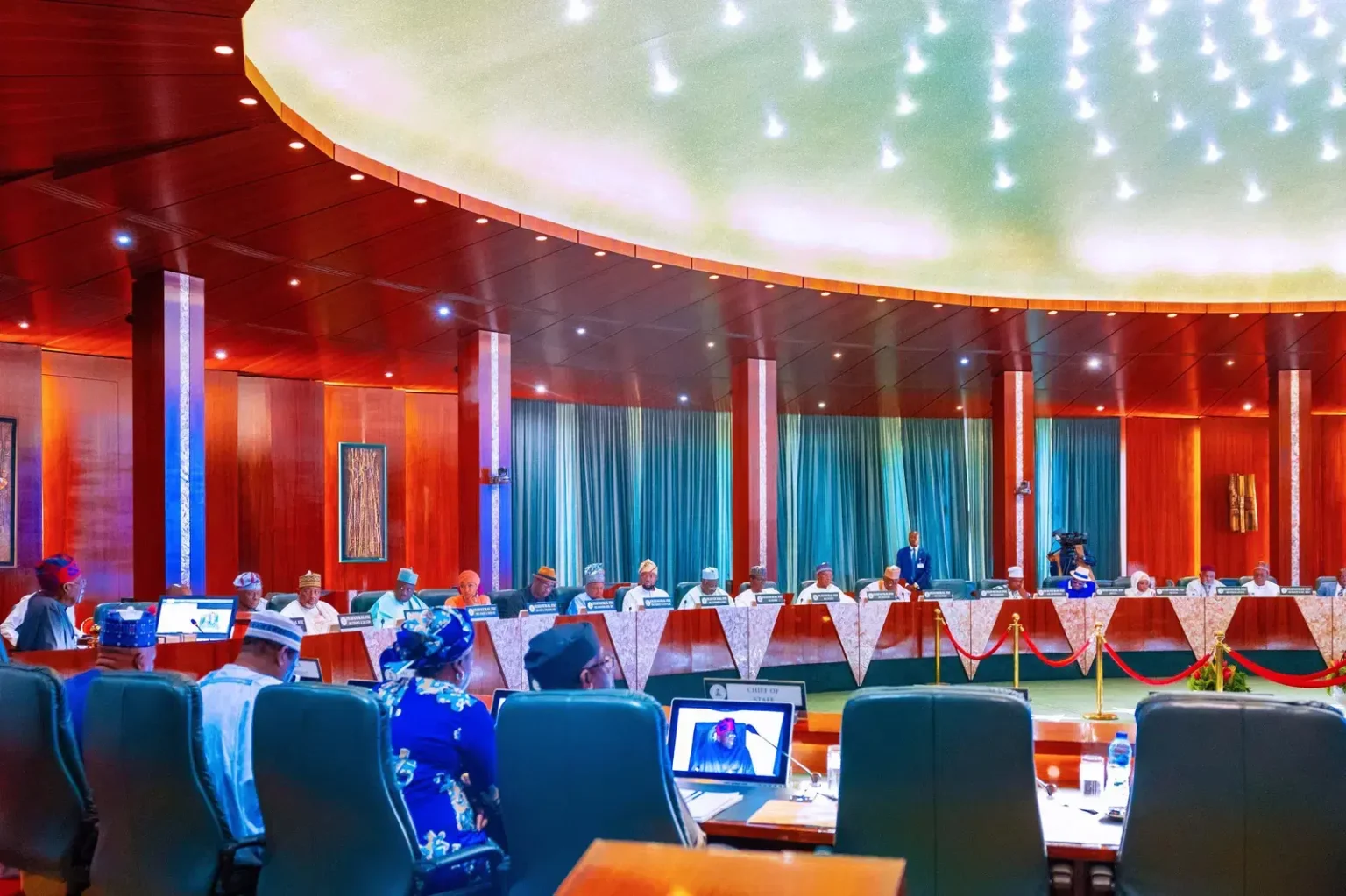
In a decisive move to mitigate frequent industrial actions and reshape Nigeria’s labor relations framework, the Federal Government has approved the National Industrial Relations Policy (NIRP) 2025. The policy, aimed at addressing the persistent unrest within the country’s workforce, was sanctioned during the Federal Executive Council (FEC) meeting held on Wednesday at the Presidential Villa, Abuja. The meeting was presided over by President Bola Ahmed Tinubu.
PDP Not Under Wike’s Control – Jacob Mark Tells Peter Obi To Ignore FCT Minister’s Influence
Speaking to journalists after the FEC session, the Minister of Information and National Orientation, Mohammed Idris, outlined the significance of the newly approved policy. According to Idris, the NIRP 2025 is structured to create a more harmonious relationship between employers and employees while aligning Nigeria’s industrial policies with international labour standards.
“This policy is essential for regulating the conduct of the various trade unions within the industrial relations space in the country,” Idris said. “Over the years, frequent strikes have disrupted national productivity due to the absence of a comprehensive and enforceable policy. The NIRP will serve as the benchmark for industrial harmony going forward.”
Idris explained that the policy was introduced by the Minister of Labour and Employment in response to escalating concerns about the ineffectiveness of current labor laws. Although Nigeria has existing legal frameworks intended to mediate labor-employer relations, enforcement has been weak, with several legal provisions routinely ignored by stakeholders.
“The Goal is Lasting Industrial Peace”
NIRP 2025 is designed to promote constructive social dialogue, streamline tripartite cooperation between government, employers, and workers, and reinforce the role of industrial relations as a critical national priority. By aligning Nigeria’s labor practices with global standards, including those set by the International Labour Organisation (ILO), the policy seeks to professionalize trade union conduct and institutionalize mechanisms for conflict resolution.
Beyond mere regulation, the new policy is also expected to pave the way for a more productive workforce, reduce disruptions in key sectors like health and education, and rebuild trust between labour and government.
Addressing current industrial tensions in the healthcare sector, the Coordinating Minister of Health and Social Welfare, Professor Muhammad Ali Pate, acknowledged recent disputes surrounding a circular issued by the National Salaries, Income, and Wages Commission. The circular, which sparked backlash among healthcare professionals, has since been withdrawn.
Prof. Pate said, “We’re now in the process of negotiating revised allowances transparently. We’ve opened up meaningful discussions with major unions, including the Nigerian Medical Association (NMA) and various nurses’ associations.”
He added that the concerns raised were not solely financial. Structural and administrative issues, such as the centralization of nurses’ postings, are also being addressed to ensure a comprehensive resolution to worker grievances.
Commitment to Dialogue and Engagement
The government has emphasized that it will continue to prioritize dialogue as the most effective method of resolving disputes and avoiding further strikes. President Tinubu has reportedly directed all relevant ministries and departments to maintain active communication with labour leaders to foster mutual understanding and avoid escalation.
In line with that directive, further negotiations between the government and union representatives are scheduled for today. These engagements are seen as a critical step in implementing the goals of the new NIRP and reinforcing the federal government’s commitment to fairness, transparency, and long-term stability in industrial relations.
Idris reinforced that the policy is not merely a reaction to recent labour challenges but a forward-thinking strategy to build resilience within Nigeria’s workforce management system.
“This is a national reorientation towards industrial peace. Our workforce is vital to the country’s development, and we must ensure they are not only protected but also respected within a balanced framework that safeguards national interest,” he concluded.
As the NIRP 2025 begins to take shape, stakeholders across the labour and business communities will be watching closely to see how effectively the policy translates into practical change. If implemented with fidelity and sustained through inclusive dialogue, it could mark the beginning of a more peaceful and productive era in Nigeria’s industrial landscape.
















Leave a Comment
Your email address will not be published. Required fields are marked with *