
FG Officially Pegs Minimum Admission Age at 16, Alausa Declares at JAMB Policy Meeting The Federal Government has formally set 16 years as the minimum age requirement for admission into Nigeria’s tertiary institutions. This announcement was made by Minister of Education, Dr. Tunji Alausa, during the 2025 policy meeting of the Joint Admissions and Matriculation
FG Officially Pegs Minimum Admission Age at 16, Alausa Declares at JAMB Policy Meeting
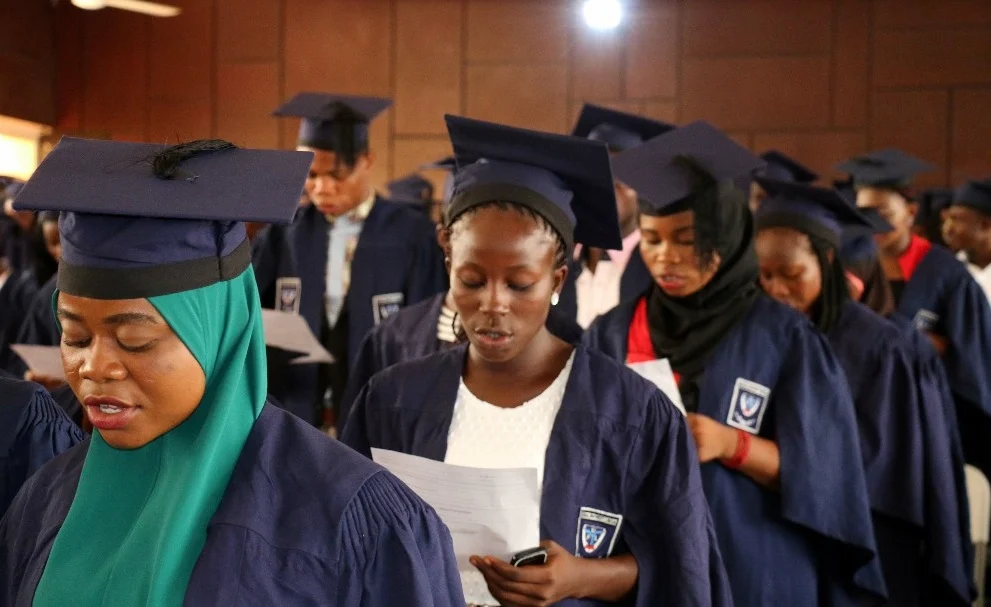
The Federal Government has formally set 16 years as the minimum age requirement for admission into Nigeria’s tertiary institutions. This announcement was made by Minister of Education, Dr. Tunji Alausa, during the 2025 policy meeting of the Joint Admissions and Matriculation Board (JAMB) held in Abuja on Tuesday.
Dr. Alausa’s declaration marks a significant policy reversal from the earlier 18-year minimum age proposed by his predecessor, Prof. Tahir Mamman, in July 2024. The shift reflects the current administration’s position that a balance must be struck between cognitive maturity and academic readiness, while accommodating Nigeria’s diverse educational landscape.
Admission Age Now Pegged at 16 – Minister Alausa Speaks
“The issue of age at entry into tertiary institutions has generated much debate, but our position is clear,” Alausa stated firmly during the meeting. “The entry age for admission into tertiary institutions is now officially pegged at 16 years. It was reduced from 18, which was to be effective from this year’s exercise, due to the need for this compliance.”
The Minister emphasized that the policy is now definitive and non-negotiable, urging all institutions to enforce it without exception. He added that only rare cases involving exceptionally gifted students or those with proven accelerated learning would be considered for exemption, and even those must be “demonstrated, documented, and justified.”
Alausa warned institutions and parents alike against manipulating birth records to bypass the rule, stating that anyone caught falsifying ages would face strict sanctions. “The ministry is firm in its resolve, and those attempting to circumvent this policy by altering age records will be sanctioned accordingly,” he said.
Seven Banks Scramble To Fill ₦964.8bn Capital Gap Ahead Of CBN’s 2026 Deadline
Legal Background: Court Ruling Challenged JAMB’s Authority
The new policy follows a prolonged legal and administrative tussle over the age requirement for tertiary education in Nigeria. In October 2024, a landmark court ruling in Delta State declared that JAMB lacked the legal authority to impose a minimum age for admission, thereby nullifying any such restrictions that had previously been put in place.
That judgment prompted significant debate among education stakeholders and prompted JAMB to seek a stay of execution while filing an appeal. Despite this legal backdrop, JAMB maintained that while it could not legally enforce an age limit, it could continue advising institutions to consider age as a factor in their admission process.
Tuesday’s announcement from Alausa provides the clarity and legal backing previously missing, officially aligning the national admission policy with the age cap of 16. The directive will apply to universities, polytechnics, and colleges of education nationwide starting with the 2025/2026 academic session.
Impact on Institutions, Students, and Parents
The decision is expected to impact how schools, especially private and accelerated-learning institutions, prepare students for tertiary education. Many parents who push for early academic advancement for their children may now need to rethink their strategies or face delays in university admission processes.
However, the government appears open to flexibility in rare cases involving prodigious talent or accelerated academic progress. These exceptions, Alausa clarified, must meet stringent documentation and verification standards.
While the policy ensures that students admitted into tertiary institutions are deemed cognitively and emotionally mature, critics argue that it could potentially exclude highly gifted children who complete secondary education at younger ages.
Nonetheless, supporters of the policy insist it will reduce the pressure on overly young students who may not be psychologically prepared for the challenges of university life. They also argue that the reform is timely, especially given the rising trend of underaged undergraduates facing difficulties with adaptation and discipline.
Institutional Compliance and Monitoring
To enforce compliance, the Federal Ministry of Education has tasked tertiary institutions with aligning their admission frameworks with the new regulation. JAMB is expected to work in collaboration with institutions to ensure the new age policy is reflected during admission screening and documentation stages.
It remains unclear how the policy will be enforced in private institutions and schools where accelerated education programs are common. However, the Ministry has indicated its readiness to penalize non-compliance, including revoking licenses or halting admission approvals for errant institutions.
In conclusion, the Federal Government’s new admission age policy sets a unified national standard that aims to align academic pathways with developmental readiness. As Nigeria prepares for the 2025/2026 academic session, all eyes will be on how effectively this directive is implemented—and how it reshapes the nation’s educational structure in the coming years.

















Leave a Comment
Your email address will not be published. Required fields are marked with *