
FG Sets July 23–24 for National Forum on Petrol Pricing Amid Stakeholder Tensions In a critical move aimed at addressing the mounting concerns over petrol pricing and the future of Nigeria’s downstream petroleum sector, the Federal Government has scheduled a national stakeholder forum for July 23 and 24, 2025. The summit, spearheaded by the Nigerian
FG Sets July 23–24 for National Forum on Petrol Pricing Amid Stakeholder Tensions
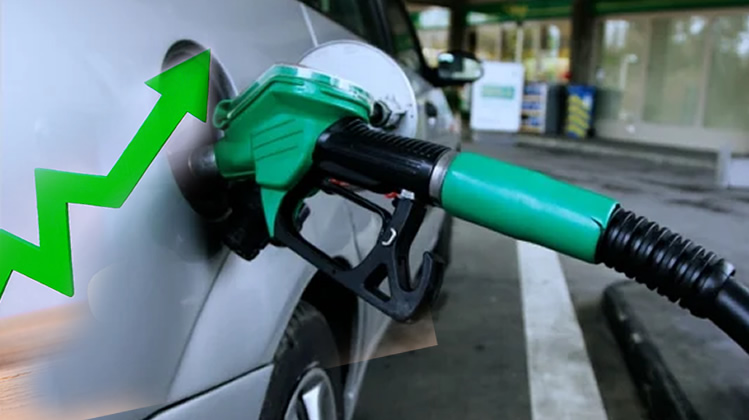
In a critical move aimed at addressing the mounting concerns over petrol pricing and the future of Nigeria’s downstream petroleum sector, the Federal Government has scheduled a national stakeholder forum for July 23 and 24, 2025. The summit, spearheaded by the Nigerian Midstream and Downstream Petroleum Regulatory Authority (NMDPRA), is expected to bring together independent marketers, major industry players, refiners, and government officials to deliberate on fuel price stability, supply dynamics, and long-term solutions for a deregulated market.
The announcement was confirmed by Francis Ogaree, Executive Director of Hydrocarbon Processing Plants, Installation, and Transportation Infrastructure at the NMDPRA, during the recently concluded 24th Nigeria Oil and Gas Energy Week held in Abuja. Ogaree emphasized that the planned forum would focus on building a resilient and standardized pricing mechanism, especially crucial in Nigeria’s post-subsidy era.
Forum Aims to Stabilise Volatile Pricing Landscape
The upcoming summit arrives amid growing unrest among independent marketers and downstream operators, who are increasingly frustrated by erratic pricing and lack of transparency in the sale of Premium Motor Spirit (PMS), commonly known as petrol. These grievances have been further compounded by inconsistent price adjustments from the Dangote Refinery—an emerging behemoth in Nigeria’s refining sector—which stakeholders claim leaves them vulnerable to economic losses when fuel bought at higher prices is suddenly undercut by lower refinery rates.
Billy Gillis-Harry, President of the Petroleum Products Retail Outlets Owners Association of Nigeria (PETROAN), has been at the forefront of this agitation. He has repeatedly stressed the importance of consistent pricing, transparency in refinery operations, and policy guidelines that protect retailers from unpredictable shifts.
“Retailers suffer when refineries reduce prices without notice. Many of us purchase products at higher rates, only to find ourselves at a loss when the refinery slashes the price the next day. There must be a pricing framework that protects all market participants,” Gillis-Harry said.
Similarly, the Petroleum and Natural Gas Senior Staff Association of Nigeria (PENGASSAN) last month criticized the existing petroleum pricing regime, accusing marketers of exploiting Nigerians with inflated petrol prices. The union insisted that pump prices should be standardized between ₦700 and ₦750 per litre to reflect market realities without imposing additional burdens on citizens.
Bode George Slams Atiku, David Mark For Aligning With ADC Coalition
NMDPRA’s Response and Future Strategy
In response to these concerns, Ogaree acknowledged the operational challenges confronting stakeholders in the downstream sector. He stated that the NMDPRA was actively working to establish a uniform pricing standard and boost investor confidence in the refining market.
“The issue of petroleum pricing is a delicate one. It is also one of the key matters we are addressing at our stakeholder forum later this month. The goal is to set a standard that helps all parties—marketers, refiners, and consumers—navigate this new deregulated environment,” Ogaree said during a panel discussion titled “Building a Resilient and Competitive Refining Sector.”
He noted that although the NMDPRA has only existed for three and a half years, it has made “giant strides” in licensing refiners and addressing key bottlenecks. The forum, according to him, will serve as a platform to allay fears, promote transparency, and explore strategies to stabilize Nigeria’s energy supply.
Rising Refining Capacity and Supply Concerns
Ogaree also shared significant updates on the outlook of Nigeria’s refining capacity. He disclosed that Nigeria now boasts 10 operational and near-operational refineries—including the three Nigerian National Petroleum Company (NNPC) refineries, the newly inaugurated 650,000 barrels per day (bpd) Dangote Refinery, and six modular refineries spread across the country.
In total, the country would require at least 1.12 million barrels of crude oil per day to run all licensed and anticipated refining plants, including those expected to commence operations by 2026. This raises concerns about the adequacy of crude oil feedstock in meeting domestic refining needs.
“We’ve issued 47 licenses for refinery construction and establishment. If all these projects come on stream by 2026 as expected, Nigeria’s crude production must increase significantly to support them. Otherwise, the system could become strained,” Ogaree explained.
He emphasized the importance of ensuring adequate supply to these facilities, warning that the success of the deregulated downstream market hinges on consistent and sufficient feedstock.
Dialogue, Regulation, and Reform
With the July stakeholder summit just weeks away, expectations are high that the forum will lead to actionable outcomes. Industry experts believe that the event presents an opportunity for the government to not only reaffirm its deregulation policy but also strengthen the trust of market players through transparent policy reforms.
Stakeholders will be seeking answers to pressing questions: How can price volatility be managed without a return to subsidies? What role will regulators play in guiding refinery output pricing? And how can the market ensure that retail outlets remain profitable even in a liberalized environment?
As Nigeria works to position itself as a refined petroleum hub in West Africa, sustained dialogue and collaborative regulation will be critical. The July summit will be a litmus test for the NMDPRA’s ability to balance competing interests, streamline market operations, and guide the downstream sector toward a more stable, investor-friendly future.















Leave a Comment
Your email address will not be published. Required fields are marked with *