
Former CPC Chairmen Reaffirm Loyalty to Buhari, Urge APC Unity Ahead of 2027 Elections As political realignments begin to shape the landscape ahead of Nigeria’s 2027 elections, a bloc of former state chairmen of the now-defunct Congress for Progressives Change (CPC) has declared unwavering loyalty to their political mentor and former President Muhammadu Buhari. The
Former CPC Chairmen Reaffirm Loyalty to Buhari, Urge APC Unity Ahead of 2027 Elections
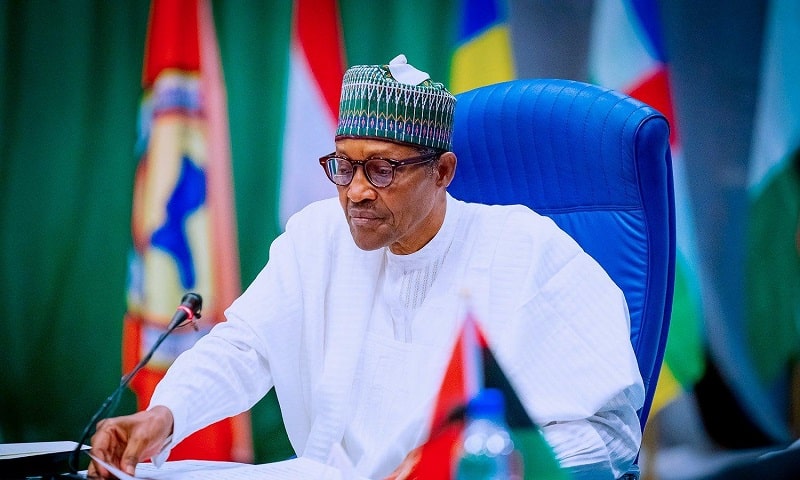
As political realignments begin to shape the landscape ahead of Nigeria’s 2027 elections, a bloc of former state chairmen of the now-defunct Congress for Progressives Change (CPC) has declared unwavering loyalty to their political mentor and former President Muhammadu Buhari. The former CPC leaders, now prominent members of the All Progressives Congress (APC), say their decision to remain in the ruling party is rooted in commitment to Buhari’s political ideals and legacy.
In a statement released on Sunday, the forum’s National Secretary, Sulaiman Oyaremi, outlined their position while expressing deep concerns about marginalisation, lack of inclusion, and growing internal tensions within the APC. Despite these grievances, the bloc made it clear that their support for the party and President Bola Tinubu remains firm.
“Except for a few of us, we are unanimous in our decision to remain in the party with our principal, former President Muhammadu Buhari,” the statement read. “We owe it to ourselves to support the current leader of the party, President Bola Tinubu, and contribute to building an inclusive APC where all stakeholders feel a sense of belonging.”
Dangote Vows To Defend $20bn Refinery Amid Mounting Sabotage Attempts
CPC Bloc Raises Alarm Over Marginalisation
The group highlighted what they describe as continued exclusion of CPC members—particularly former state chairmen—from the political and administrative structures of the APC. This, they argue, is especially troubling given the pivotal role the CPC played in the formation and early successes of the party.
“Members of the defunct CPC, especially former state chairmen, have not been treated fairly in government appointments or party structures at both national and state levels,” Oyaremi stated.
The Congress for Progressives Change, which was formed in 2009 and led by Buhari, merged with three other parties in 2013 to form the APC, which would later go on to win the presidency in 2015 and retain power in 2019. However, former CPC members claim that the promises made to them during the merger process have not been fulfilled.
Several party insiders suggest the marginalisation has led to restiveness among former CPC loyalists, with speculation swirling that some may be exploring alternative political alliances ahead of the next election cycle.
Distance From Defection Rumours
Amid rumours of a possible alliance between disaffected CPC figures and leading opposition politicians such as former Vice President Atiku Abubakar, Labour Party’s Peter Obi, and ex-Kaduna State Governor Nasir El-Rufai, the forum was quick to distance itself from such speculations. The group reiterated its loyalty to the APC, dispelling the idea of forming or joining a rival coalition.
Their response followed a crucial meeting on April 16, where CPC veterans—led by former Nasarawa State Governor Tanko Al-Makura—publicly reaffirmed support for President Tinubu. The meeting was intended to present a united front but drew criticism from certain stakeholders, including former Attorney General Abubakar Malami (SAN), who questioned Al-Makura’s authority to speak for the entire CPC faction.
Divisions Within the Bloc
The forum acknowledged the ongoing factionalism within the CPC bloc itself, noting that multiple camps claiming to represent CPC interests had only complicated efforts to project unified leadership.
“Unfortunately, with several camps speaking for the defunct CPC, the situation has exposed a lack of coherent leadership within the bloc,” the statement said.
Nonetheless, the forum emphasised that the decision to remain within or leave the APC is a matter of personal and democratic choice. “We do not begrudge those who have decided to quit the APC,” the statement read, underscoring that loyalty to Buhari remains the guiding principle behind their continued membership.
A Call to Focus on National Challenges
In addition to addressing internal party matters, the forum used the opportunity to urge President Tinubu and APC leaders to shift focus away from political maneuvering ahead of the 2027 elections. Instead, they stressed the importance of tackling pressing national issues, including insecurity and a worsening economic situation.
“We urge the President and APC governments at all levels to prioritise tackling these existential issues rather than focusing on the next election,” the forum declared.
Nigeria is currently grappling with economic instability, rising inflation, a weakening currency, and widespread insecurity—especially in the North-West and North-Central regions. Many Nigerians have expressed frustration at the slow pace of reforms and the perceived preoccupation of politicians with electoral ambitions rather than governance.
The CPC bloc’s statement appears to be a pointed reminder that the legitimacy and success of the APC government must rest on its ability to deliver on its campaign promises, not just secure future elections.
Looking Ahead to 2027
As political calculations intensify across Nigeria’s political parties, the CPC faction’s message could serve as a stabilising factor for the APC, reinforcing the idea that loyalty and internal dialogue should prevail over defection and discord. However, the unresolved concerns raised by these stakeholders may become more pronounced if left unaddressed, potentially weakening the party’s coalition base.
With Buhari now retired from frontline politics but still a revered figure among many northern conservatives, the former CPC leaders’ continued allegiance to him could play a decisive role in shaping alliances, influence, and regional voter behaviour in 2027.
For now, the CPC bloc says it remains within the fold—but with a clear message: their loyalty is not without expectations, and the time for recognition and inclusion is long overdue.
















Leave a Comment
Your email address will not be published. Required fields are marked with *