
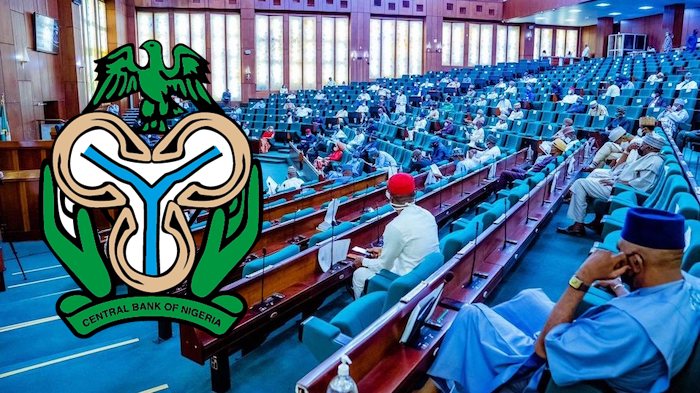
House of Representatives Passes Landmark Tax Reform Bills with Major Exemptions Military Personnel, Religious Bodies, and Pension Funds Exempted from Taxation The House of Representatives has approved a series of tax reform bills that aim to reshape Nigeria’s tax system and improve revenue generation. These bills, once fully implemented, will introduce sweeping tax exemptions and
House of Representatives Passes Landmark Tax Reform Bills with Major Exemptions
Military Personnel, Religious Bodies, and Pension Funds Exempted from Taxation
The House of Representatives has approved a series of tax reform bills that aim to reshape Nigeria’s tax system and improve revenue generation. These bills, once fully implemented, will introduce sweeping tax exemptions and strengthen regulatory frameworks. Key beneficiaries of these reforms include military personnel, pension funds, religious organizations, profit-oriented schools, trade unions, and cooperative societies, all of whom will be exempted from taxation.
Additionally, the new tax legislation grants the Tertiary Education Trust Fund (TETFund) 50% of revenues generated from the development levy included in the bills. The passage of these reforms followed extensive deliberations, a three-day public hearing, and an eight-day retreat. The House unanimously adopted the recommendations of its Special Ad-hoc Committee on Finance during a plenary session held on Thursday.
With the House’s review now complete, the Senate is set to deliberate on its version of the bills this week. The final passage of the bills is expected to take place at Tuesday’s plenary session.
Police Inspector Dies From Self-Inflicted Gunshot At Ogun Ceramics Company
Speaker Abbas Tajudeen’s Strategy for Securing Support
The tax reform bills initially sparked controversy, but diplomatic efforts led by Speaker Abbas Tajudeen played a crucial role in securing support for their passage. To ensure consensus, Tajudeen took a strategic approach, temporarily suspending other legislative matters to prioritize discussions on tax reforms.
Lawmakers were instructed to consult their constituencies and gather public opinions before further deliberations. Additionally, the House Committee on Finance was expanded to include regional and zonal leaders, along with tax experts.
A House source revealed,
“The Speaker did not stop at that. He constantly engaged members and Nigerians on the need to support the government’s reform plans, emphasizing that these changes would ensure more funds are available for governance.”
By the time the bills reached the public hearing stage, previously opposed lawmakers had been convinced of their benefits, ensuring a smooth passage.
Key Highlights of the Tax Reform Bills
The newly passed tax laws make significant changes to Nigeria’s tax administration system, including:
- Establishment of the Tax Appeal Tribunal
- The Joint Tax Board Bill provides for the funding of this tribunal from the Consolidated Revenue Fund.
- The tribunal is empowered to adjudicate tax disputes and resolve controversies arising from federal and state tax laws.
- Creation of the Tax Ombudsman Office
- This office will operate with financial independence to ensure transparency and fairness in tax administration.
- Issuance of Tax ID to All Taxable Entities
- The Nigeria Tax Administration Bill mandates tax authorities to issue Tax IDs to individuals and businesses.
- If a tax authority refuses a request for a Tax ID, it must provide reasons within five working days.
- Mandatory Tax Filing for Companies
- All companies, including those granted exemptions, must file annual self-assessment tax returns.
- Small businesses can submit a statement of accounts instead of audited financial statements.
- Stronger Penalties for Tax Evasion
- Companies that fail to file their tax returns within six months of their accounting year-end will face penalties.
- Individuals must submit VAT returns monthly, even if they did not engage in economic activity.
- Defaulting in tax payment will attract fines, penalties, and possible imprisonment.
- Introduction of the Electronic Fiscal System (EFS)
- Businesses making taxable supplies must use the EFS to record and report transactions electronically.
- Banks and financial institutions must submit annual reports on high-value transactions.
- Revocation of Licenses for Tax Defaulters
- The petroleum and mining industries will face revocation of licenses if tax obligations are not met.
- The President must seek National Assembly approval before granting tax exemptions.
- New Development Levy and Revenue Allocation
- A 4% development levy will be imposed on assessable profits of companies (excluding small and non-resident companies).
- The revenue will be allocated as follows:
- TETFund – 50%
- Nigerian Education Loan – 3%
- National Information Technology Development Fund – 5%
- National Agency for Science and Engineering Infrastructure – 10%
- Social Security Fund – 10%
- Defence Infrastructure Fund – 10%
- Nigeria Police Trust Fund – 5%
- National Sports Development Fund – 3%
- National Board for Technological Incubation – 3%
- National Cybersecurity Fund – 1%
Exemptions and Special Provisions
The House included provisions to protect certain entities and individuals from taxation, ensuring that essential services and low-income earners are not overburdened.
- Income Tax Exemptions:
- Schools
- Religious bodies and charitable organizations
- Trade unions
- Pension funds and retirement benefits
- Military personnel, especially those serving in combat zones
- Agricultural businesses
- Sporting companies
- Profits from wholly export-oriented businesses
- New Tax Rates for Individuals:
- ₦800,000 – 0% tax
- ₦2,200,000 – 15% tax
- ₦9,000,000 – 18% tax
- ₦13,000,000 – 21% tax
- ₦25,000,000 – 23% tax
- Above ₦50,000,000 – 25% tax
- Stricter Tax Compliance for Businesses:
- Companies ceasing operations must file outstanding returns within six months.
- Banks, insurance companies, and stockbrokers must report large transactions exceeding ₦50 million for individuals and ₦250 million for corporations.
- Sanctions for Tax Violations:
- Tax evasion attracts a penalty of 10% per annum plus interest at CBN’s monetary policy rate.
- Failure to process taxable supplies through the Electronic Fiscal System will result in a fine of ₦200,000 plus 100% of the tax due.
- Non-remittance of tax deductions carries a penalty of three years imprisonment or a fine equal to the principal amount plus a 50% penalty.
Final Steps Before Implementation
The Senate will now deliberate on its version of the tax reform bills before final passage. If the bills receive Senate approval, they will be forwarded to the President for assent, after which they will become law.
Speaker Abbas Tajudeen’s leadership in securing consensus on these reforms highlights the government’s commitment to enhancing revenue generation, reducing tax burdens on essential sectors, and improving tax compliance across the country.
















Leave a Comment
Your email address will not be published. Required fields are marked with *