
Justice Obiora Egwuatu Steps Down from Senator Natasha Akpoti-Uduaghan’s Case Justice Obiora Egwuatu of the Federal High Court in Abuja has withdrawn from the case involving suspended Senator Natasha Akpoti-Uduaghan. The decision, announced in court on Tuesday, follows a petition from Senate President Godswill Akpabio, who questioned the judge’s impartiality in the case. This development
Justice Obiora Egwuatu Steps Down from Senator Natasha Akpoti-Uduaghan’s Case
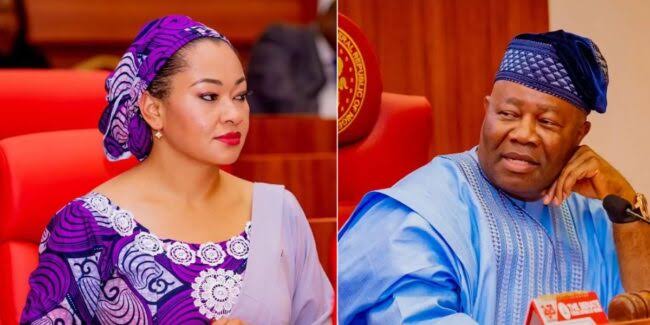
Justice Obiora Egwuatu of the Federal High Court in Abuja has withdrawn from the case involving suspended Senator Natasha Akpoti-Uduaghan. The decision, announced in court on Tuesday, follows a petition from Senate President Godswill Akpabio, who questioned the judge’s impartiality in the case.
This development has sparked legal and political discussions regarding judicial independence and the Senate’s authority over disciplinary matters.
Judge Recuses Himself Amidst Controversy
Justice Egwuatu was originally assigned to hear the suit but declared his decision to step down when the case was called for hearing. Instead of proceeding, he stated that he would return the case file to the Chief Judge, who would then reassign it to another judge.
His withdrawal comes after Senate President Akpabio petitioned against him, raising concerns over whether he could remain neutral in the matter. The details of Akpabio’s allegations were not publicly disclosed, but the move effectively halted proceedings until another judge takes over.
Background: Senator Akpoti-Uduaghan’s Legal Battle
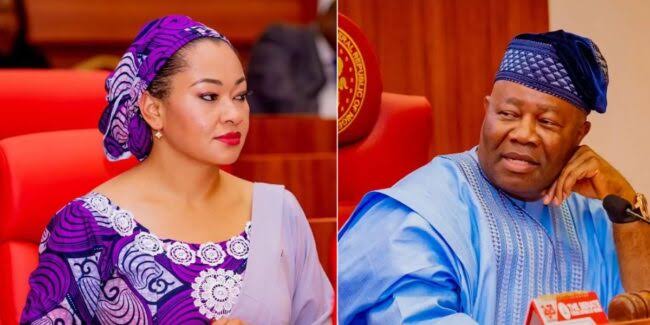
The controversy began on March 4, when Justice Egwuatu issued an interim order restraining the Senate Committee on Ethics, Privileges, and Public Petitions from proceeding with disciplinary actions against Senator Akpoti-Uduaghan. She was accused of violating Senate rules, and the committee sought to penalize her.
In his ruling, Justice Egwuatu barred the committee from taking further steps against her until a final decision was reached in court. He also directed the defendants to explain within 72 hours why they should not be permanently stopped from disciplining the senator.
To ensure compliance, the court permitted substituted service of legal documents, allowing them to be delivered to the Clerk of the National Assembly, pasted within the National Assembly premises, or published in two national newspapers.
Senate Defies Court Order, Suspends Senator for Six Months
Despite the court’s order, the Senate Committee went ahead with its proceedings and suspended Senator Akpoti-Uduaghan for six months. This move raised questions about the Senate’s adherence to judicial directives and its interpretation of separation of powers.
Following an application from the defendants, Justice Egwuatu later amended his initial ruling, removing the part that prevented the Senate from taking disciplinary action while the case was ongoing. This adjustment signaled a shift, possibly allowing the Senate to justify its actions.
Legal Challenge to Court’s Authority Over Senate Affairs
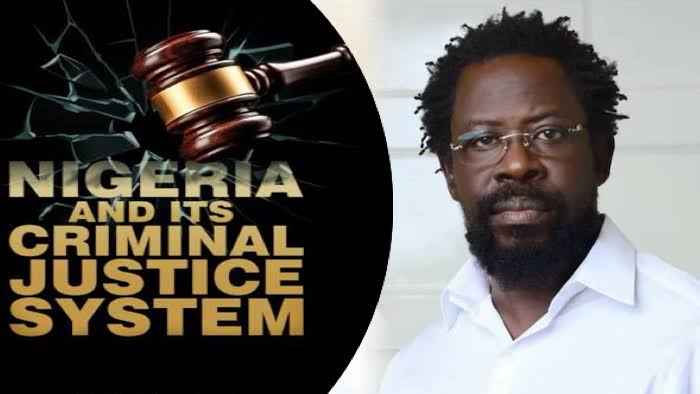
As the case progressed, Senate President Akpabio’s legal team, led by Kehinde Ogunwumiju, challenged the court’s authority to interfere in Senate affairs. The argument centered on whether the judiciary could override the Senate’s internal disciplinary processes, given that legislative bodies typically operate autonomously within the framework of the 1999 Constitution and the Senate Standing Order 2023.
With Justice Egwuatu stepping aside, the case now awaits reassignment to a new judge. The outcome will determine whether Senator Akpoti-Uduaghan’s suspension stands or if the court will further intervene in the Senate’s disciplinary proceedings.
This legal battle underscores ongoing tensions between the judiciary and the legislative arm of government, raising fundamental questions about checks and balances in Nigeria’s democracy.















Leave a Comment
Your email address will not be published. Required fields are marked with *