
Makinde Advocates Single-Term Tenure for Elected Officials, Citing Governance Efficiency Ibadan, Nigeria – Governor Seyi Makinde of Oyo State has ignited a fresh debate in Nigeria’s political landscape with his proposal for a single-term tenure of five or six years for elected officials across all tiers of government. This suggestion, if adopted, would mark
Makinde Advocates Single-Term Tenure for Elected Officials, Citing Governance Efficiency
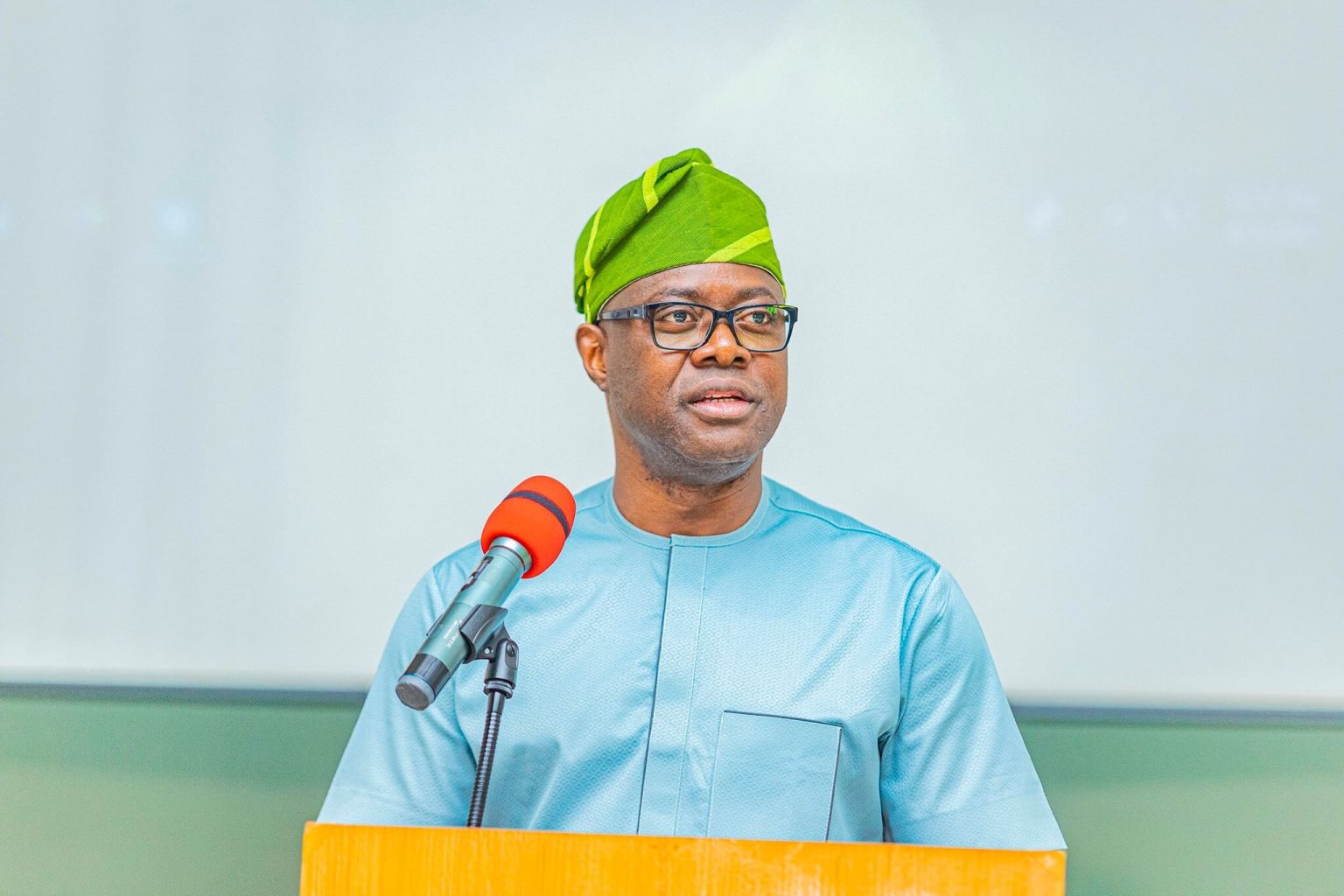
Ibadan, Nigeria – Governor Seyi Makinde of Oyo State has ignited a fresh debate in Nigeria’s political landscape with his proposal for a single-term tenure of five or six years for elected officials across all tiers of government. This suggestion, if adopted, would mark a fundamental shift from the current two-term, four-year arrangement as prescribed by Nigeria’s Constitution.
Makinde unveiled this proposal during a special Sallah homage at his residence in Ikolaba, Ibadan, shortly after Eid-el-Kabir prayers at the Agodi Eid Ground. The visit was led by Deputy Governor Barr. Abdulraheem Bayo Lawal and featured prominent dignitaries such as the Otun Olubadan of Ibadanland, Senator Rashidi Ladoja, former Deputy Governors Barr. Hazeem Gbolarumi and Engr. Hamid Gbadamosi, Hon. Abass Adigun Agboworin, and the Aare Musulumi of Yorubaland, Alhaji Dawodu Makanjuola.
The governor congratulated Muslims for witnessing the 2025 Eid-el-Kabir celebration and acknowledged their prayers and continuous support for his administration. Reflecting on his tenure, now in its sixth year, Makinde said that despite being in office for more than half a decade, external factors—most notably the COVID-19 pandemic and political distractions linked to re-election campaigns—had significantly eaten into productive governance time.
PDP Stands Firm: NEC Meeting Was Constitutional, Says Party Leadership
According to Makinde, a single-term structure would free public office holders from the distractions of re-election campaigns, allowing them to fully commit to governance and development throughout their term. “We lost almost a year to COVID-19,” he said, “and another significant amount of time was consumed by the demands and politics of campaigning. When we truly calculate it, we have only had five productive years out of eight.”
Makinde asserted that five to six undisturbed years would be sufficient for any serious administration to fulfill its developmental objectives. He further urged the public and lawmakers to begin considering a constitutional review to accommodate this change, emphasizing that such a reform could serve Nigeria’s long-term interests better than the status quo.
“This idea is not about me,” he stressed. “If they say I should end it after this tenure, so be it. What matters is improving governance and service delivery to the people.”
Senator Ladoja, representing the Olubadan of Ibadanland, Oba Owolabi Olakulehin, endorsed the governor’s leadership while urging citizens to show increased support for the government’s initiatives. His message included prayers for Makinde’s continued success and the overall progress of Oyo State.
Faith, Governance, and Forward Thinking
Barr. Abdulraheem Lawal, the Deputy Governor, also addressed the media, encouraging Muslims to embody the values of sacrifice, obedience, and faith as taught in the Quran. He lauded Governor Makinde for his unwavering commitment to timely salary payments and general welfare, citing these as indicators of responsive and people-centric governance.
Lawal called for deeper cooperation between the government and the governed to fully actualize the benefits of democracy in Oyo State and Nigeria at large.
Makinde’s call for constitutional reform echoes similar sentiments previously expressed by political analysts and reformists who believe Nigeria’s democratic system could benefit from structural recalibration. His proposal has already begun generating discourse at both the grassroots and legislative levels, with observers closely watching whether the National Assembly will prioritize the discussion in future deliberations.
As the nation continues to navigate complex economic and political challenges, voices like Makinde’s add a fresh dimension to the dialogue on governance reform. Whether the proposed single-term tenure becomes reality remains uncertain, but it undoubtedly opens the door to a broader conversation about the effectiveness and sustainability of Nigeria’s current democratic framework.











Leave a Comment
Your email address will not be published. Required fields are marked with *