
Nigeria Begins Screening for Diplomatic Nominees to Fill Global Mission Vacancies In a strategic move to revitalize Nigeria’s global diplomatic presence, the federal government has officially commenced the screening process for candidates nominated to represent the country in various international missions. This initiative, launched after a prolonged delay, is set to address the critical leadership
Nigeria Begins Screening for Diplomatic Nominees to Fill Global Mission Vacancies
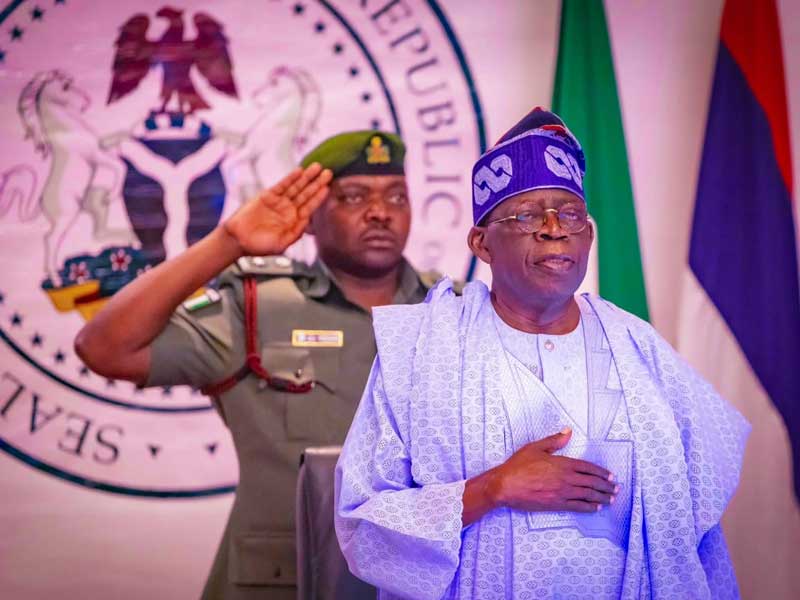
In a strategic move to revitalize Nigeria’s global diplomatic presence, the federal government has officially commenced the screening process for candidates nominated to represent the country in various international missions. This initiative, launched after a prolonged delay, is set to address the critical leadership void in Nigeria’s 76 embassies and 22 high commissions across the globe.
Following the recall of all serving Nigerian ambassadors in September 2023 by President Bola Ahmed Tinubu—both career diplomats and political appointees—the nation has operated with limited diplomatic representation in several countries. This has sparked growing concern among foreign partners and diplomatic observers about the effectiveness of Nigeria’s foreign policy engagements.
Tensions Rise as DSS Summons Osun TIB Leader Ahead of Nationwide Protest
Diplomatic Screening Process Underway
The current screening process marks a significant step toward resolving the long-standing diplomatic gap. According to reliable sources, the nominees have been directed to report to their nearest Department of State Services (DSS) offices for comprehensive security checks. In addition, each candidate is required to submit detailed educational and professional histories to facilitate a robust background verification procedure.
This vetting process, officials say, is part of the Federal Government’s renewed commitment to professionalism, accountability, and competence in diplomatic appointments. The security screening is expected to assess each nominee’s fitness to represent Nigeria on the international stage, especially given the sensitivity and strategic importance of such roles.
Notable Names Undergo Vetting
Among the individuals who have already undergone DSS screening are several high-profile political figures and former public officials. From the South-East region, former governors Ifeanyi Ugwuanyi (Enugu) and Okezie Ikpeazu (Abia) are reported to have completed their vetting, signaling their consideration for ambassadorial positions.
In addition, Shehu Sani, a civil rights activist and former senator who recently aligned with the ruling All Progressives Congress (APC), has also gone through the screening process. Alongside him is Reno Omokri, a former presidential aide known for his outspoken views and active political commentary.
Two other notable figures—Femi Pedro, former Deputy Governor of Lagos State, and Femi Fani-Kayode, a former Minister of Aviation—have also been screened and cleared for possible diplomatic assignments. Their inclusion underscores the government’s apparent blend of political appointees and experienced professionals in its diplomatic strategy.
While the final postings have yet to be made public, the presence of such high-profile names suggests that the Tinubu administration is seeking to balance political considerations with competence and national representation in its foreign service appointments.
Filling the Diplomatic Vacuum: A Long-Awaited Move
The recall of all Nigerian ambassadors in 2023 was a bold but controversial move by President Tinubu, who promised a review and restructuring of Nigeria’s foreign missions. However, the nearly two-year delay in appointing new representatives left critical diplomatic posts vacant, weakening Nigeria’s visibility and engagement in global affairs.
In March 2025, the presidency acknowledged the mounting pressure from stakeholders and foreign allies and announced that new appointments would be unveiled “very soon.” That promise now appears to be materializing with the commencement of the screening phase.
The Minister of Foreign Affairs, Yusuf Tuggar, attributed the delay in naming replacements to a lack of funding, a revelation that fueled further concerns among foreign officials about Nigeria’s capacity to maintain a consistent diplomatic presence. This shortage of funds reportedly hampered not only the appointment of new diplomats but also the upkeep of embassies and the welfare of foreign mission staff.
Restoring Nigeria’s Global Influence
With the current screening exercise gaining momentum, expectations are high that the Federal Government will soon release the list of confirmed ambassadors and their respective postings. These new diplomats are expected to not only repair relationships strained by the prolonged vacancies but also reassert Nigeria’s leadership role in African affairs and global diplomacy.
Analysts argue that Nigeria’s diplomatic corps must be equipped to navigate a complex international landscape shaped by shifting alliances, global economic challenges, and evolving geopolitical tensions. The forthcoming ambassadors will be tasked with promoting Nigeria’s interests in trade, security cooperation, climate advocacy, and regional integration.
Equally important will be their role in addressing the plight of Nigerians in the diaspora, many of whom have expressed frustration over the lack of consular support due to the leadership vacuum in embassies.
Public Expectations and Political Implications
As the screening process progresses, Nigerians are watching closely to see whether merit and national representation will outweigh political favoritism in the final list of appointments. Critics of past administrations have often lamented the trend of turning ambassadorial roles into rewards for political loyalty rather than assigning them based on diplomatic expertise.
Political analysts note that the inclusion of figures like Omokri and Fani-Kayode—both vocal in political discourse—could either strengthen Nigeria’s diplomatic engagement or risk politicizing the foreign service, depending on how they perform in their new roles.
Nonetheless, the return to a fully staffed diplomatic network is a welcome development for Nigeria’s global image and policy execution abroad.
As the nation awaits the final announcement of postings, the current momentum is a sign that Nigeria is finally moving to close a crucial gap in its international relations machinery.













Leave a Comment
Your email address will not be published. Required fields are marked with *