
Nigerian Government Launches Evacuation of Stranded Citizens from Central African Republic The Nigerian Government has activated emergency evacuation procedures to rescue a group of its citizens stranded in the Bambari region of the Central African Republic (CAR), following growing concern over a viral video that depicted the individuals in severe distress. The victims, reportedly abandoned
Nigerian Government Launches Evacuation of Stranded Citizens from Central African Republic
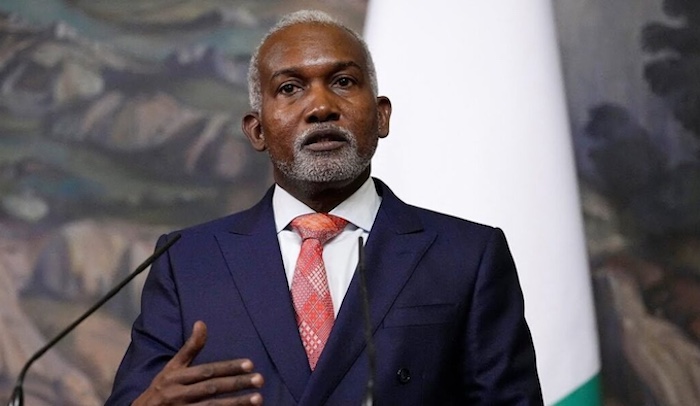
The Nigerian Government has activated emergency evacuation procedures to rescue a group of its citizens stranded in the Bambari region of the Central African Republic (CAR), following growing concern over a viral video that depicted the individuals in severe distress. The victims, reportedly abandoned by their foreign employers, had issued a desperate plea for help—one that has now galvanized swift diplomatic and humanitarian intervention from Abuja.
According to an official statement released by the Ministry of Foreign Affairs, the Nigerian Embassy in Bangui, CAR’s capital, has successfully established communication with the stranded individuals. Embassy officials have also retrieved their travel documents, marking the first crucial step in their safe return.
The group, located in Bambari—approximately 850 kilometers from Bangui—is now being transported to the capital city. A vehicle, accompanied by a military escort for security purposes, was dispatched to facilitate the journey. The evacuees are expected to arrive in Bangui on Saturday, July 26, after what officials acknowledge will be a long and potentially risky overland passage.
Kimiebi Imomotimi Ebienfa, spokesperson for the Ministry of Foreign Affairs, emphasized that the Federal Government is fully committed to ensuring the safety, welfare, and eventual repatriation of these Nigerian citizens. “The Embassy is actively engaging relevant authorities in the CAR to ensure the safety, protection, and welfare of the stranded Nigerians,” he stated.
N12 Million Plateau Road Project Collapses Within A Year, Sparks Outrage Over Accountability
The ministry also disclosed that talks are ongoing with the company alleged to have abandoned the workers, with a focus on securing temporary accommodation for them in Bangui pending their return to Nigeria. While the name of the company involved has not been made public, the Ministry’s engagement suggests a push for both accountability and immediate relief for the victims.
The situation has drawn widespread public empathy and sparked critical conversations about the vulnerability of Nigerian migrant workers, particularly in regions with unstable governance and lax labor enforcement. Bambari, located in the central part of the war-torn Central African Republic, is known for intermittent violence, poor infrastructure, and limited access to consular services—making it a particularly dangerous place for foreign nationals left without support.
In its statement, the ministry used the opportunity to advise Nigerians contemplating overseas employment to undertake thorough verification processes. “Nigerians are advised to verify the credibility of employers before accepting foreign job offers, ensure proper documentation, and register their presence with the Nigerian Embassy in their host country to prevent such incidents,” the ministry cautioned.
This advisory reflects a broader concern over a rising trend: a growing number of Nigerians migrating under precarious circumstances, often falling victim to exploitative labor practices, trafficking, or abandonment in foreign lands. With an economic climate at home pushing many toward international opportunities, the lack of due diligence by both job seekers and recruiters continues to leave many vulnerable.
Human rights organizations and civil society actors have also weighed in, calling for systemic safeguards and increased monitoring of foreign recruitment agencies. They argue that beyond evacuation, there must be stricter government oversight, stiffer penalties for errant recruiters, and expanded support systems within Nigerian embassies globally.
A spokesperson for a Nigerian diaspora advocacy group noted, “It’s not just about bringing people home after a crisis; it’s about ensuring they never end up in that position to begin with. The government must strengthen its diplomatic presence in high-risk regions and increase outreach to citizens abroad.”
The Nigerian Embassy in Bangui, though limited in capacity, is now at the heart of this unfolding operation. Officials are coordinating not just logistical movement but also liaising with humanitarian partners to ensure that the evacuees receive medical checks, food, and shelter upon their arrival in the capital.
Minister of Foreign Affairs Yusuf Tuggar is expected to provide further updates on the situation in the coming days. Meanwhile, public sentiment remains sharply focused on the fate of those affected, with Nigerians on social media urging continued governmental vigilance and demanding long-term solutions to labor migration challenges.
This incident serves as a stark reminder of the risks faced by migrant workers, particularly in politically volatile regions. But it also represents a critical moment of response and responsibility from the Nigerian government. As the evacuees make their way to safety, many are watching closely—not just to see them return, but to ensure future protections are put in place for the countless others seeking opportunity beyond Nigeria’s borders.

















Leave a Comment
Your email address will not be published. Required fields are marked with *