
Osun Osogbo Festival 2025: Tradition Meets Transformation In A New Era Of Cultural Celebration The Osun-Osogbo Festival, one of Africa’s most iconic cultural and spiritual gatherings, has long stood as a testament to the resilience of Yoruba traditions. Held annually in Osogbo, Osun State, the festival honours Osun, the river goddess of fertility, love, and
Osun Osogbo Festival 2025: Tradition Meets Transformation In A New Era Of Cultural Celebration
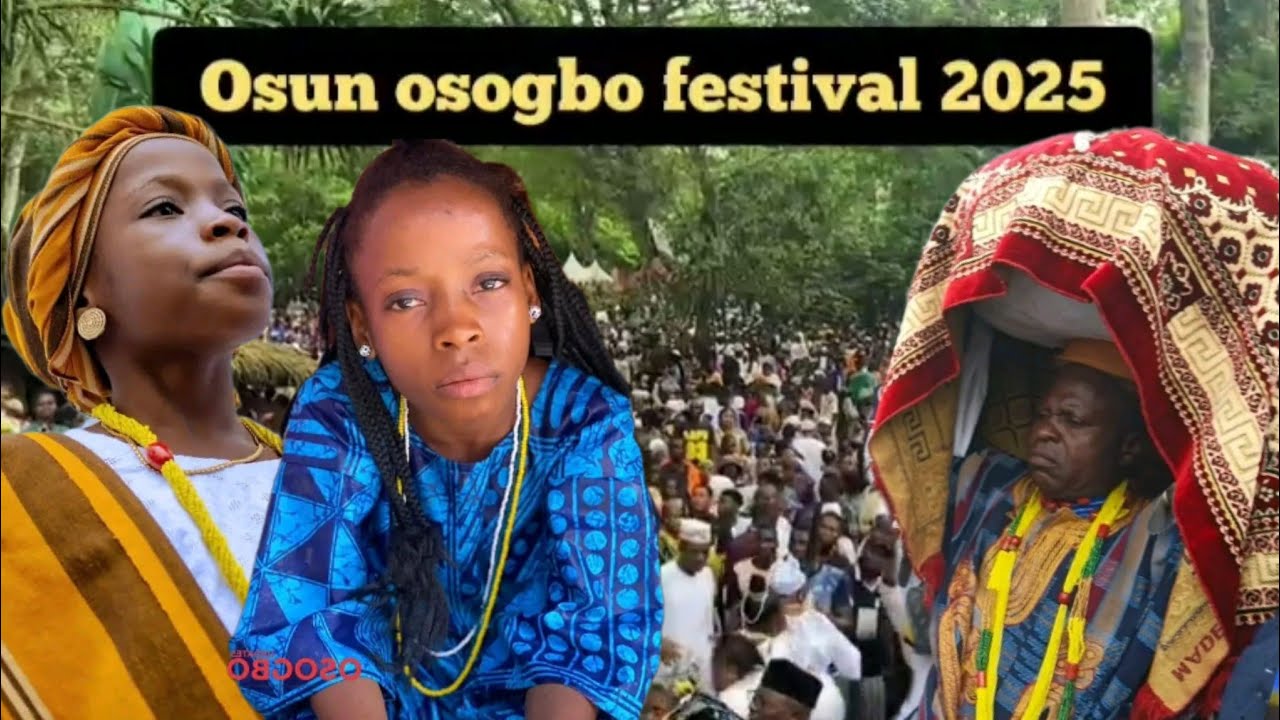

The Osun-Osogbo Festival, one of Africa’s most iconic cultural and spiritual gatherings, has long stood as a testament to the resilience of Yoruba traditions. Held annually in Osogbo, Osun State, the festival honours Osun, the river goddess of fertility, love, and prosperity. While the sacred rituals remain at its heart, the 2025 edition marked a notable departure from the past, blending revered customs with contemporary innovations to create a festival that speaks to both ancestral spirits and the modern world.
From the ceremonial roles to global outreach initiatives, the 2025 festival introduced changes that have sparked conversations within cultural, religious, and tourism circles. Here are the seven most significant differences that made the 2025 celebration unique.
Osun-Osogbo Sacred Grove at Risk of UNESCO Delisting
1. A Male Chief Priest Carried the Sacred Calabash
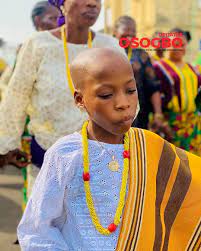
One of the most striking departures from tradition in 2025 was the unprecedented sight of the Osun Chief Priest, Adesina, carrying the sacred white calabash (Igba Osun) during the grand procession. Historically, this revered role belongs exclusively to the Arugba—a virgin female from a royal lineage—whose journey symbolises purity and the conveyance of spiritual blessings to the people.
This year’s change was prompted by the youth and physical limitations of the newly appointed Arugba, nine-year-old Alimot Osunbunmi, who was deemed too young to handle the demanding ceremonial task. While the decision ensured the ritual was completed without disruption, it was a rare break from a centuries-old practice, drawing both praise for its practicality and concern from cultural purists.
2. A New Arugba Appointed After 12 Years
March 2025 saw the appointment of Alimot Osunbunmi as the new Arugba, succeeding Osuntomi Ewatomilola, who carried the calabash for 12 consecutive years before stepping down following her marriage in August 2024. The choice of such a young successor reflects a generational shift, but her absence from the calabash procession underscored the delicate balance between preserving tradition and adapting to new realities.
The Arugba remains a central spiritual figure, and her role—even modified—continues to symbolise the connection between the goddess Osun and her devotees.
3. Modern Attractions for Younger and Global Audiences
The 2025 festival expanded its program to include contemporary attractions designed to engage younger demographics and international visitors. Among these were the Cultural Glow Pageant, Tech-Fusion Experience, Entrepreneurial Fair, Celebrity Walk of Elegance, Pan-African Roundtable, and a Stakeholder Investment Summit.
These events positioned the festival as more than a religious gathering, transforming it into a dynamic hub for business networking, cultural diplomacy, and youth empowerment. It was a clear signal that Osun Osogbo is evolving into a multi-dimensional platform that marries heritage with innovation.
4. Opening Ceremony at Osun River’s Source in Igede-Ekiti
In a symbolic “Back to the Source” move, the festival’s official opening was held for the first time at the Osun River’s source in Igede-Ekiti, Ekiti State. This initiative reconnected the celebration to the goddess’s spiritual and geographical origins, emphasising the depth of Yoruba cosmology.
By acknowledging the river’s birthplace, organisers deepened the cultural narrative and invited participants to reflect on the festival’s roots before engaging in the grandeur of Osogbo’s sacred grove processions.
5. Push for Global Cultural and Economic Relevance
The 2025 Osun Osogbo Global Cultural Summit, hosted during the festival, underscored a deliberate pivot towards international recognition and economic development. The Ataoja of Osogbo, Oba Jimoh Olanipekun, called for stronger public and private sector sponsorship, stressing the festival’s potential to serve as a beacon for pan-African unity, diaspora engagement, and cultural tourism.
This shift framed the festival as not only a spiritual celebration but also a strategic asset in Nigeria’s cultural diplomacy, with ambitions to rival other global heritage events.
6. Nollywood Star Laide Bakare as Festival Ambassador
In another modern twist, Nollywood actress Laide Bakare was named the official face of the 2025 festival. Her role extended beyond mere publicity—she collaborated with fashion designers, cultural influencers, and tech entrepreneurs to present the festival as a vibrant, contemporary movement.
This was a clear departure from past editions, which relied primarily on traditional custodians for promotion. By involving a celebrity with national and diaspora appeal, organisers tapped into pop culture to expand the festival’s global audience.
7. Enhanced Government Support and Infrastructure Improvements
Governor Ademola Adeleke’s administration placed renewed emphasis on infrastructure and safety, addressing long-standing concerns about crowd control and access to the sacred grove. Internal roads leading into the UNESCO-listed Osun Sacred Grove were rehabilitated, and better crowd management measures were implemented.
These improvements not only enhanced visitor experience but also demonstrated the state government’s commitment to positioning the festival as a world-class cultural tourism event.
A Festival in Transition
The 2025 Osun Osogbo Festival proved that tradition and innovation can coexist—albeit with some tension. While spiritual purists may view certain changes, such as the chief priest carrying the calabash, as an erosion of sacred customs, others see them as necessary adaptations to ensure the festival’s survival in a fast-changing world.
The blend of deep-rooted rituals, modern entertainment, economic engagement, and infrastructural investment signals a festival that is not just preserving the past but actively shaping its future. As the Osun Osogbo Festival continues to evolve, its challenge will be to maintain its sacred essence while embracing the possibilities of a globalised cultural economy.
















Leave a Comment
Your email address will not be published. Required fields are marked with *