
Petrol Price May Hit N900/Litre Amid Crude Oil Volatility and OPEC+ Output Hike The retail price of premium motor spirit (PMS), commonly referred to as petrol, may surge past ₦900 per liter this week as Nigeria grapples with rising global oil prices and supply chain volatility. This is coming despite the latest decision by OPEC+,
Petrol Price May Hit N900/Litre Amid Crude Oil Volatility and OPEC+ Output Hike
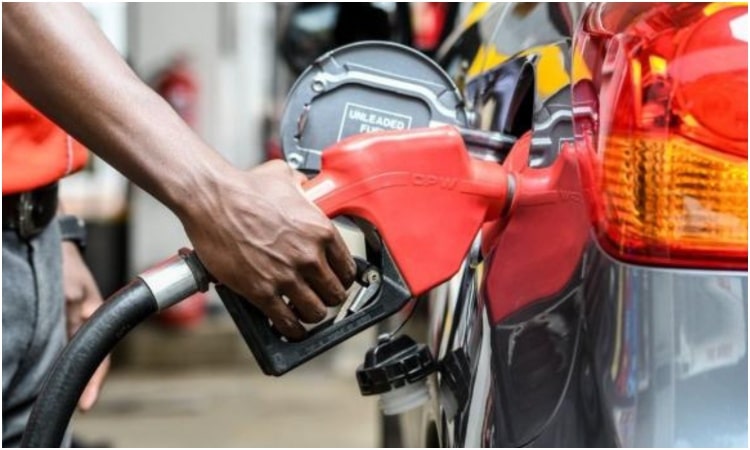
The retail price of premium motor spirit (PMS), commonly referred to as petrol, may surge past ₦900 per liter this week as Nigeria grapples with rising global oil prices and supply chain volatility. This is coming despite the latest decision by OPEC+, the extended oil producers’ alliance, to increase global production output by 547,000 barrels per day (bpd) for September 2025.
On Sunday, filling stations in parts of Lagos and Ogun States were already retailing petrol at prices between ₦865 and ₦900 per litre, with some locations like the Rainoil station in Ibafo selling at ₦900 and the Matrix station at Kara displaying ₦910 per litre. These figures reflect the sharp uptick in gantry (ex-depot) prices, which rose from an average of ₦820 on Thursday to ₦870 by the weekend.
Depot Prices Climb, Retailers Hold Back—For Now
As of Sunday, according to data from Petroleumprice.ng, major depots had raised their rates significantly. While Dangote offered one of the lowest at ₦858 per litre, other suppliers such as NIPCO, Matrix, Sahara, and Bono were selling at ₦870. Prices at Fynefield, Sigmund, Ever, and Zone 4 reportedly hit ₦900, indicating limited uniformity and growing cost pressures on independent marketers.
The National Vice President of the Independent Petroleum Marketers Association of Nigeria (IPMAN), Hammed Fashola, acknowledged the volatility of the situation. In a brief statement to The PUNCH, he said, “Let’s wait till Monday,” hinting that pump prices could rise even further depending on fresh supply arrangements.
Petrol marketers suggest that the stations currently adjusting prices likely received new supplies at the higher depot rates. Consequently, more outlets are expected to update their meters early in the week, with an official adjustment likely to reflect the steep price changes seen at depots.
OPEC+ Raises Output, but Prices Stay High
The fuel price hike is unfolding against the backdrop of a strategic shift by OPEC+, the global coalition comprising OPEC members and key non-members like Russia and Kazakhstan. In a virtual meeting on Sunday, eight OPEC+ members agreed to increase oil output by 547,000 bpd for September, continuing a trend of production increases that began in April.
According to Reuters, the move reverses previous production cuts and reflects OPEC+’s effort to regain market share amid geopolitical tensions and supply constraints. Notably, the production increase follows sustained US pressure on India and other countries to scale down Russian oil imports, part of a broader Western diplomatic strategy to push Russia toward ending its war in Ukraine.
Despite the ramp-up in output, crude oil prices remain high, with Brent crude closing near $70 per barrel on Friday—up from its April 2025 low of $58. The higher global oil prices are being driven by seasonal demand increases and tight inventories, especially in the wake of continued geopolitical uncertainty.
Amrita Sen, co-founder of Energy Aspects, stated that the strong price levels indicate “market confidence” and support OPEC+’s decision. “The market structure is also indicating tight stocks,” she noted, reinforcing that rising prices may persist for the near term despite increased production.
What This Means for Nigeria’s Economy and Consumers
For Nigerians, the implications of these developments are twofold. On the one hand, higher global oil prices could improve government revenues in the short term, especially as Nigeria continues efforts to ramp up production through reforms in the Petroleum Industry Act (PIA) and modular refining capacity.
On the other hand, the deregulated domestic petrol market, where subsidy has been largely removed, means that global price swings now directly affect the cost of fuel at the pump. Unlike in previous years when subsidies cushioned such shocks, the current market-based model leaves consumers fully exposed to global oil price movements and forex fluctuations.
The naira’s exchange rate volatility further compounds the issue, as oil is purchased in dollars. Importers and depot operators continue to factor in rising dollar costs, pushing prices higher across the value chain.
This trend poses a serious inflationary threat to Nigeria’s economy, as transportation and logistics costs are expected to rise further. The consumer price index (CPI) may also face upward pressure, with food prices and commodity costs being especially vulnerable to fuel-related inflation.
Next Steps and Industry Watchpoints
The coming week will be crucial in determining how far retail petrol prices will climb. Analysts expect a gradual alignment of pump prices with depot rates across the country by mid-week. If crude oil prices maintain their current trajectory around $70 per barrel—or climb higher—petrol may surpass ₦900 in most urban centres, with some rural areas likely to pay even more due to transportation surcharges.
Additionally, attention will be focused on the next OPEC+ meeting scheduled for September 7, where the group is expected to review its decision and potentially reinstate 1.65 million bpd in output cuts, depending on prevailing global market dynamics.
Back home, the Nigerian government faces increasing pressure to accelerate domestic refining projects, including the Dangote Refinery, as a means of reducing dependence on fuel imports. Until then, however, Nigerians may have to brace for a new fuel pricing reality driven by external market forces.

















Leave a Comment
Your email address will not be published. Required fields are marked with *