
Petrol Prices Soar to ₦945/Litre as Market Reacts to Dangote Refinery Hike, Global Tensions The price of Premium Motor Spirit (PMS), commonly known as petrol, surged significantly across Nigeria on Monday, with retail outlets operated by the Nigerian National Petroleum Company Limited (NNPC Ltd) adjusting their pump prices to new highs. In Abuja, the
Petrol Prices Soar to ₦945/Litre as Market Reacts to Dangote Refinery Hike, Global Tensions
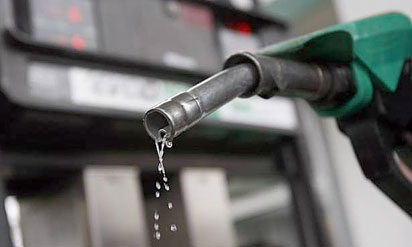
The price of Premium Motor Spirit (PMS), commonly known as petrol, surged significantly across Nigeria on Monday, with retail outlets operated by the Nigerian National Petroleum Company Limited (NNPC Ltd) adjusting their pump prices to new highs. In Abuja, the pump price hit ₦945 per litre, while several Lagos-based outlets sold petrol at ₦915 per litre, triggering fresh economic concerns in a nation already grappling with inflation and widespread cost-of-living pressures.
This latest spike marks a ₦35–₦45 increase in pump prices, following a similar trend among independent oil marketers. In the Federal Capital Territory, many independent marketers pushed their prices to ₦955 per litre, up from ₦895 just days earlier. In Lagos and surrounding states like Ogun, prices ranged from ₦915 to ₦950, depending on the station and its ownership.
Senator Ningi Demands Probe Into Unpaid Federal Project Contractors
Pump Price Surge Traced to Dangote Refinery’s Ex-Depot Hike
The pump price adjustments follow the Dangote Petroleum Refinery’s recent increase in its ex-depot price — the cost at which fuel is sold to marketers — from ₦825 to ₦880 per litre. This hike prompted immediate ripple effects across the downstream petroleum sector, as both NNPC-owned stations and independent dealers moved quickly to adjust prices.
In several parts of Lagos — including Igando and the Badagry Expressway — petrol was sold at ₦915 per litre. Stations affiliated with Dangote’s partners, such as MRS, AP, and Heyden, set their rates at ₦925 per litre in Lagos and ₦935 in Ogun State. The NNPC retail outlet in Kubwa, Abuja, and the state-owned mega station on Obasanjo Way both displayed the new ₦945 rate.
Independent marketers like A.Y.M. Shafa and A.A. Rano also raised their prices to ₦955 per litre in Abuja. Many filling stations reported that despite having older stock purchased at lower prices, they were compelled to adjust prices due to uncertainty and market volatility.
“We’re dealing with speculative pricing at the depot level. Even if you have stock bought at a lower cost, the fear of not being able to restock at the same rate is forcing everyone to raise pump prices,” said a manager at a Lagos filling station.
Depot Prices Hit New Highs as Supply Tightens
Petrol depot pricing trends confirm the upward spiral. As of June 23, major depot hubs such as NIPCO, WOSBAB, and Pinnacle set their PMS ex-depot prices between ₦920 and ₦925 per litre. The price increase is attributed to rising upstream costs, international crude prices, and speculative activity.
PetroleumPrice.ng’s CEO, Olatide Jeremiah, stated that the 3% increase in global crude prices was being amplified at the local level.
“The surge in depot fuel prices is abnormal. Depot owners are hiking prices by over 10%, far beyond the crude oil price movement,” he said.
According to data from the platform, Dangote’s depot closed at ₦905 per litre. NIPCO Lagos reported the highest increase — ₦25 per litre, representing a 2.72% spike. Meanwhile, other depots like Fynefield, Ever, and TSL recorded prices as high as ₦940/litre. A few depots, such as First Fortune and Rainoil, managed to maintain a ₦920/litre benchmark.
International Conflict Fuels Global Oil Market Unrest
The petrol price hike in Nigeria also coincides with a volatile international oil market, driven by rising geopolitical tensions between the United States and Iran. Over the weekend, a US-Israeli airstrike reportedly hit Iranian nuclear sites, leading to retaliatory missile attacks by Iran on US military bases in Qatar and Iraq.
Six Iranian missiles targeted the Al Udeid US airbase in Qatar, with Doha confirming the strike as a “flagrant violation.” The hostilities have shaken global energy markets, pushing oil prices to new highs before a surprising correction on Monday.
Brent crude, which earlier climbed, unexpectedly dropped to $71.66 per barrel, while West Texas Intermediate (WTI) crude fell to $68.32 per barrel. Analysts suggest this price dip may be temporary, as market uncertainty remains high.
Despite the marginal rise in crude prices, depot-level reactions in Nigeria appear disproportionate — driven more by speculation than actual supply shocks.
Inflation Woes and Economic Impact Loom
The latest petrol price spike is expected to compound Nigeria’s inflation woes, particularly in transportation and food logistics. With PMS prices rising steadily since subsidy removal, household budgets and small businesses are increasingly strained.
Transport unions in Lagos and Abuja have already hinted at impending fare increases, while businesses reliant on generators for electricity say operational costs are becoming unsustainable.
Experts warn that if ex-depot prices continue to climb unchecked, Nigeria could see pump prices approach ₦1,000 per litre in the coming weeks — barring any regulatory intervention or decline in global oil prices.
















Leave a Comment
Your email address will not be published. Required fields are marked with *