
Presidency Reports N20.59 Trillion Revenue, Highlights Shift from Oil Dependence The presidency has announced that the federal government generated N20.59 trillion in revenue between January and August 2025, surpassing its annual revenue target months ahead of schedule. According to Bayo Onanuga, Special Adviser to President Bola Tinubu on Information and Strategy, this milestone reflects a
Presidency Reports N20.59 Trillion Revenue, Highlights Shift from Oil Dependence
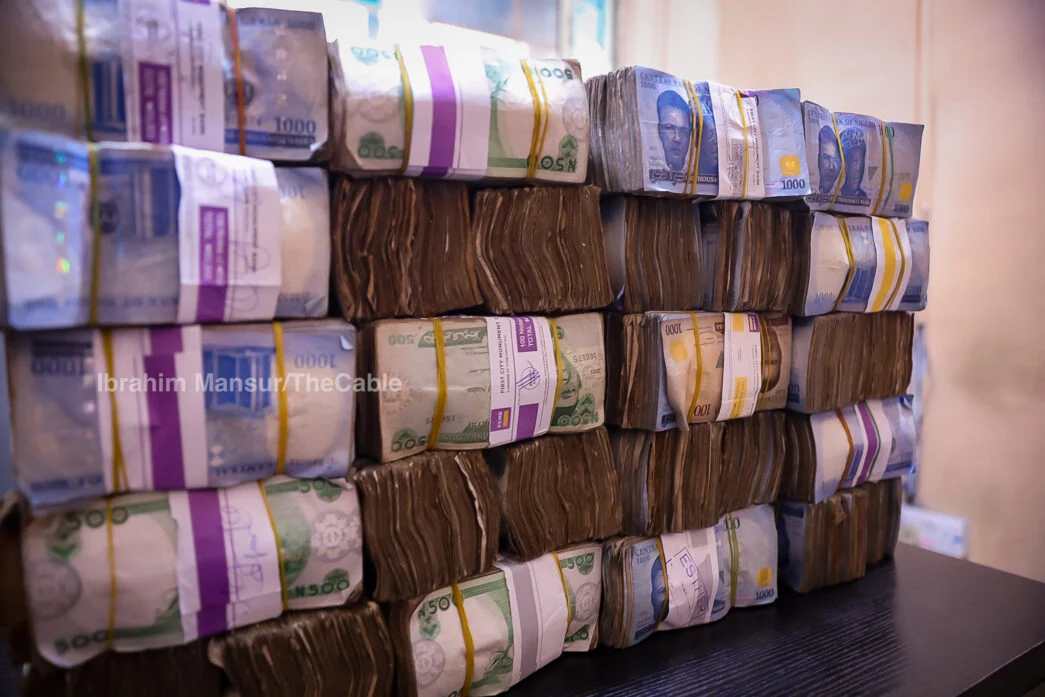
The presidency has announced that the federal government generated N20.59 trillion in revenue between January and August 2025, surpassing its annual revenue target months ahead of schedule. According to Bayo Onanuga, Special Adviser to President Bola Tinubu on Information and Strategy, this milestone reflects a significant structural shift in Nigeria’s fiscal landscape, with non-oil earnings accounting for the bulk of government income.
In a statement issued on Wednesday, Onanuga disclosed that non-oil revenue contributed N15.69 trillion out of the total collections, representing three out of every four naira generated by the government within the period. This, he said, underscores a “fundamental shift away from oil dependence” that has historically defined Nigeria’s revenue base.
Nigeria Police Arrest Nearly 6,000 Suspects, Recover 360 Firearms In Nationwide Crackdown
Non-Oil Revenues Take the Lead
The figures indicate that oil, once the lifeline of the Nigerian economy, now plays a secondary role in the country’s fiscal framework. Out of the N20.59 trillion collected, only N4.9 trillion came from oil, while non-oil sectors contributed a commanding 76% share.
“This strong performance aligns with projections, placing the government firmly on course to achieve its annual non-oil revenue target,” Onanuga said.
The presidency credited the growth to deliberate fiscal reforms, improved compliance by taxpayers, and the digitisation of tax administration. These measures have not only boosted efficiency in collections but also expanded the tax net, capturing previously untapped sources of revenue.
Tinubu Lauds Fiscal Progress
On Tuesday, President Tinubu addressed the nation on the significance of the achievement. He emphasised that Nigeria had met its 2025 revenue target earlier than anticipated, largely due to strong non-oil performance.
The president noted that this success comes despite external economic pressures and global uncertainties. He also highlighted that, unlike in previous years, the federal government has not borrowed from local banks to fund its budget.
“This development buttresses the strong fiscal performance recorded since the start of the year,” Tinubu said, adding that it was a sign of stabilisation and progress for the Nigerian economy.
Revenue Growth in Perspective
According to the presidency, the N20.59 trillion revenue collected within the first eight months of 2025 represents a 40.5% increase from the N14.6 trillion recorded during the same period in 2024. The growth is seen as one of the clearest indications yet that Nigeria’s fiscal reforms are beginning to yield tangible results.
Onanuga explained that part of the success is linked to increased transparency in revenue collection processes and the clampdown on leakages that previously deprived government of significant funds. The Federal Inland Revenue Service (FIRS) and other collection agencies have intensified their operations, making use of digital tools to improve compliance and accountability.
Boost to States and Local Governments
The presidency also announced that the improved revenue performance has translated into record allocations to subnational governments. In July 2025, for the first time in Nigeria’s history, monthly allocations to states and local governments exceeded N2 trillion.
“This provides subnational governments with greater fiscal space to fund food security initiatives, invest in infrastructure, and expand social services,” Onanuga said.
For many states struggling with rising costs of governance and service delivery, the increased allocations represent a major relief, allowing them to embark on new projects while sustaining existing ones.
Challenges Remain Despite Gains
While celebrating the revenue milestone, the presidency acknowledged that revenues still fall short of the administration’s ambitious spending plans for education, healthcare, and infrastructure.
Onanuga noted that although fiscal reforms have begun to reshape the economy, more work is needed to ensure that the benefits of these changes are felt across the country.
“Nigeria’s fiscal foundations are being reshaped. For the first time in decades, oil is no longer the dominant driver of government revenue,” he said. “The combination of reforms, compliance, and digitisation powers a more resilient economy. The task ahead is to ensure that these gains are felt in the lives of our citizens and in better schools, hospitals, roads, and jobs.”
This statement reflects a recognition that increased government revenue must translate into tangible improvements in the quality of life for Nigerians.
Towards a Post-Oil Economy
The presidency’s announcement is being viewed as part of a broader narrative about Nigeria’s transition toward a post-oil economy. For decades, oil accounted for over 70% of government revenue, leaving the country vulnerable to global oil price shocks. By diversifying income sources, the government hopes to build a more sustainable fiscal base that can withstand external economic fluctuations.
Observers note that the shift is also consistent with President Tinubu’s broader economic reforms, which have included subsidy removal, foreign exchange liberalisation, and efforts to encourage investment in agriculture, manufacturing, and technology.
If sustained, these changes could significantly reduce Nigeria’s dependence on crude oil exports while boosting domestic productivity.
The federal government’s announcement of N20.59 trillion in revenue between January and August 2025 marks a turning point in Nigeria’s fiscal journey. With non-oil sectors contributing three-quarters of the collections, the figures highlight the success of ongoing reforms and a decisive move away from decades of oil dependency.
While challenges remain in meeting ambitious spending goals, the progress made demonstrates that Nigeria’s fiscal foundations are being rebuilt on stronger, more resilient pillars. The presidency insists that the next step is to ensure that these financial gains are directly reflected in improved schools, hospitals, roads, and jobs for citizens.
As the budget office prepares to publish final validated figures at year’s end, the early achievement of the 2025 revenue target stands as one of the clearest indicators yet of Nigeria’s fiscal transformation under the Tinubu administration.












Leave a Comment
Your email address will not be published. Required fields are marked with *