
Senators Under Fire: Lawyers Demand 78% Salary Refund for ‘Poor Performance’ In a bold and unprecedented move, legislative attorneys under the Association of Legislative Drafting and Advocacy Practitioners (ALDRAP) have launched a campaign demanding Nigerian senators refund a significant portion of their earnings. The legal group alleges that the senators have grossly underperformed since the
Senators Under Fire: Lawyers Demand 78% Salary Refund for ‘Poor Performance’
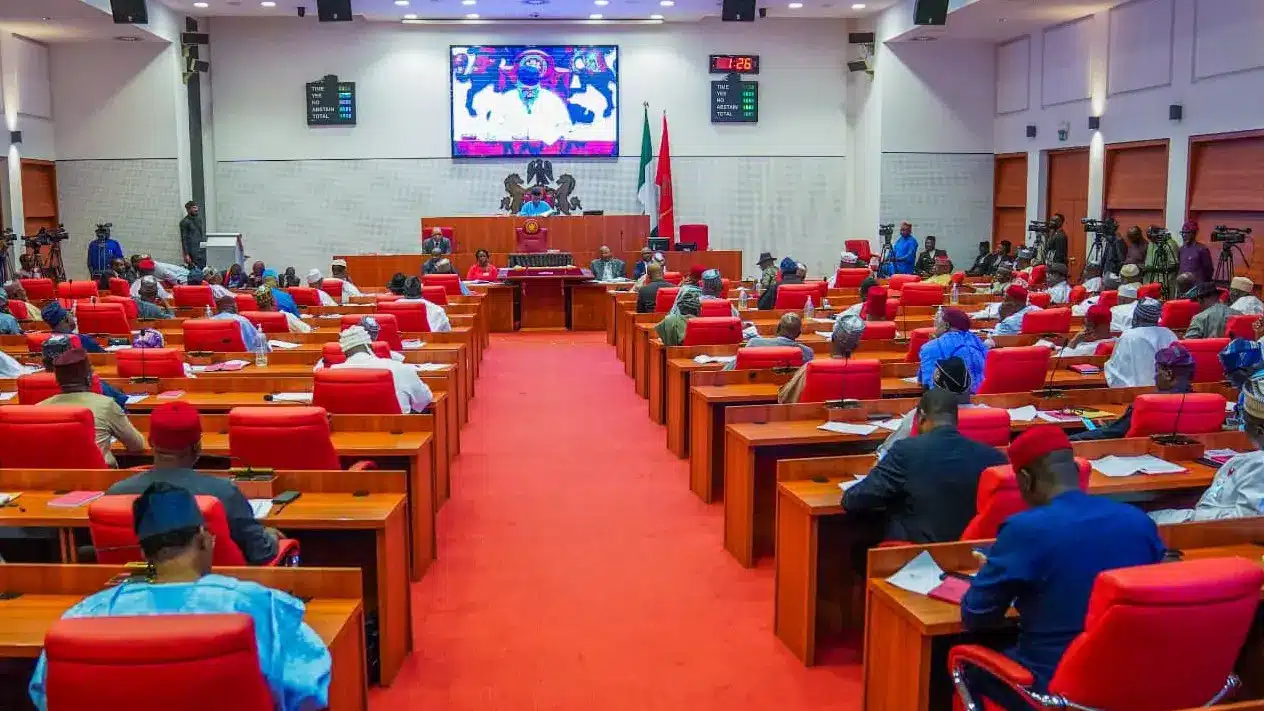
In a bold and unprecedented move, legislative attorneys under the Association of Legislative Drafting and Advocacy Practitioners (ALDRAP) have launched a campaign demanding Nigerian senators refund a significant portion of their earnings. The legal group alleges that the senators have grossly underperformed since the inception of the 10th National Assembly in May 2023, fulfilling only 12% of their statutory duties.
The attorneys, citing the Federal Competition and Consumer Protection Commission Act of 2018, are invoking consumer rights to challenge the effectiveness of legislative services. They argue that the citizens — as consumers of legislative output — have received poor service and thus are entitled to a refund of 78% of the senators’ salaries and allowances, calculated at ₦15 million monthly per senator. The demand targets all 109 senators, with special attention given to 40 lawmakers concurrently serving in foreign parliaments, which ALDRAP insists violates Section 68 of Nigeria’s Constitution.
“Dikko Targets Year-End Overhaul For Abuja Stadium Amid National Sports Infrastructure Push”
This effort was formally initiated with a pre-action notice dated May 26, 2025, directed to Senate President Godswill Akpabio and copied to key national and international figures, including the President of Nigeria, the Chief Justice, the Accountant-General, and Secretaries-General of the ECOWAS and Pan-African Parliaments.
The letter asserts that these dual roles not only breach Nigerian law but also lead to unjust enrichment at public expense. “This is not only about statutory compliance; it’s about restoring the integrity of the legislative system,” said Amuga Jesse Williams, ALDRAP’s Administrative Secretary, who signed the letter.
The attorneys further revealed they would escalate the issue before the Federal Competition and Consumer Protection Tribunal if the senators fail to comply within seven days.
Senate Criticized for Legislative Failures and Dubious Priorities
In support of their claims, ALDRAP cited multiple legislative shortcomings and irregularities. According to their affidavit, based on findings by Dr. Tonye Clinton Jaja, an expert in legislative law, the Senate passed several key bills without public input, including the controversial National Anthem Act of 2024 and legislation altering the Inspector-General of Police’s tenure.
The affidavit also condemned the Senate’s handling of the emergency declaration in Rivers State, claiming it did not meet the constitutional requirement for a two-thirds majority. Furthermore, an OrderPaper performance report corroborated ALDRAP’s criticisms, revealing that only 19 out of 464 bills introduced from May 2023 to May 2024 were enacted. In the following year, only seven of 341 bills were passed.
Crucially, less than 6% of Senate bills focused on security, and under 8% addressed agriculture and food security — issues seen as vital to the populace.
Adding to the controversy, the 40 senators also holding seats in the ECOWAS and Pan-African Parliaments have been accused of double-dipping — receiving allowances and performing duties in external legislative bodies while still claiming salaries from Nigeria’s National Assembly. This, ALDRAP maintains, is a direct constitutional violation.
Critics have also pointed out the Senate’s docility towards the Executive Branch, contrasting it with its aggressive stance toward internal dissenters, particularly Senator Natasha Akpoti-Uduaghan, who faced suspension and media scrutiny allegedly driven by political motivations.
The lawyers argue that the selective application of legislative authority underscores a broader institutional decay and abandonment of oversight responsibilities.
The ALDRAP initiative has ignited debate across the country, with citizens watching to see whether the judiciary will uphold the demand for accountability or whether the matter will be quietly shelved. The case, if pursued, could set a significant precedent in Nigeria’s democratic governance, potentially redefining how legislative performance is assessed and compensated.













Leave a Comment
Your email address will not be published. Required fields are marked with *