
Seun Kuti Links BBL Surgery to Property Ownership Among Nigerian Women Afrobeat singer Seun Kuti, son of late Afrobeat pioneer Fela Kuti, has sparked fresh conversations on social media after drawing a connection between body enhancement surgery and property ownership among women of his generation. Speaking during an interview on The Honest Bunch podcast, the
Seun Kuti Links BBL Surgery to Property Ownership Among Nigerian Women
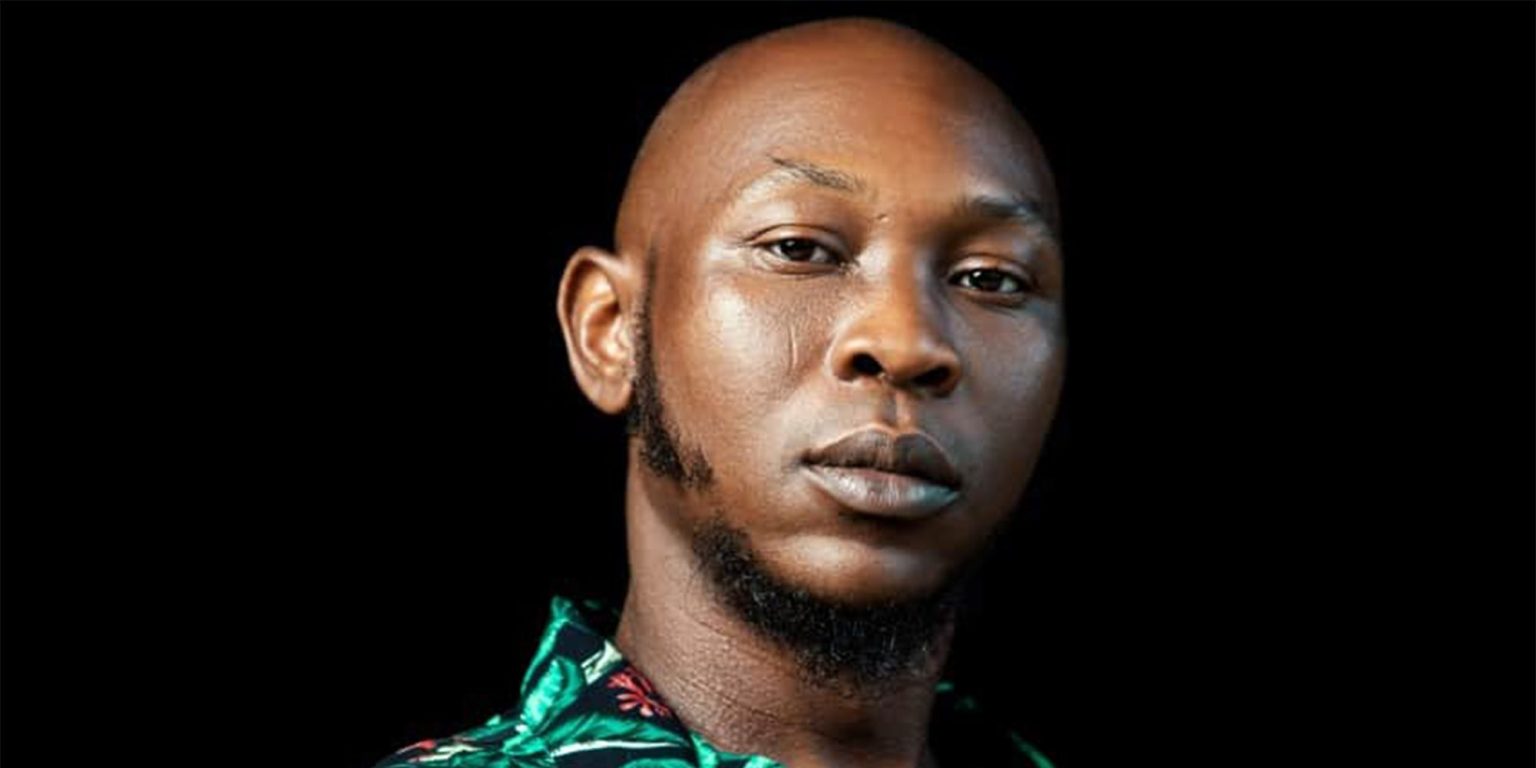
Afrobeat singer Seun Kuti, son of late Afrobeat pioneer Fela Kuti, has sparked fresh conversations on social media after drawing a connection between body enhancement surgery and property ownership among women of his generation.
Speaking during an interview on The Honest Bunch podcast, the outspoken musician claimed that most women he knows who own houses in Nigeria have undergone Brazilian Butt Lift (BBL) surgery. His comments, though carefully worded, have stirred debate about the intersection of lifestyle choices, societal expectations, and financial independence in Nigeria.
APC’s Uche Ekwunife Apologises To Governor Soludo And Wife Over Infidelity Allegation
Seun Kuti’s Observation
In the candid conversation, Seun Kuti remarked that, from his observation, about 80 percent of female homeowners within his age bracket have had cosmetic surgery.
“For this Nigeria sha, I never see any woman wey get house wey no get BBL. For my whole generation of women wey I see, 80% of homeowners are BBLs. I’m not insinuating anything, but there seems to be something special in Nigeria about BBL and success,” he stated.
While Kuti stopped short of making outright accusations, his remarks hinted at a possible trend he perceives in Nigerian society, where physical enhancements may be linked—directly or indirectly—to financial empowerment.
The Wider Context of Cosmetic Surgery in Nigeria
Over the past decade, Nigeria has witnessed a surge in cosmetic procedures, particularly among women in urban centers like Lagos and Abuja. Brazilian Butt Lift surgeries have become increasingly common, often associated with beauty standards amplified by social media and entertainment culture.
Critics argue that cosmetic enhancements are sometimes used as tools to gain social mobility, with beauty often translating into opportunities in industries such as entertainment, fashion, and even real estate. Others, however, dismiss this view, insisting that women who undergo cosmetic surgery do so purely for personal reasons related to body image and self-confidence.
Seun Kuti’s comments have therefore reopened a polarizing debate about whether cosmetic surgery in Nigeria is merely a personal choice or if it plays a role in women’s economic success.
Public Reactions
The Afrobeat singer’s statement has drawn mixed reactions. Some social media users supported his observation, noting that cosmetic surgery has become increasingly normalized among upwardly mobile Nigerian women. Others accused Kuti of stereotyping and unfairly linking women’s financial achievements to physical enhancements.
Critics argue that many women have acquired property through hard work, professional careers, and entrepreneurship, without resorting to cosmetic surgery. Supporters of Kuti’s view, however, say his comments reflect a reality that many Nigerians quietly acknowledge but rarely discuss openly.
Davido on Why He Doesn’t Block Trolls
In a separate development within Nigeria’s music industry, Afrobeats superstar Davido shared his approach to dealing with online criticism. Known for being one of the most followed African artists on social media, Davido has often been a target of trolling and negative commentary.
Taking to his 𝕏 (formerly Twitter) account, the father of five explained why he avoids blocking his critics. According to him, blocking them would deny them the opportunity to witness his growth and achievements.
“Why block them? Let them see the levels I’m climbing. That’s their punishment,” Davido wrote, in a post that quickly went viral.
His statement reflects a mindset of using criticism as motivation, while also highlighting his confidence in his career trajectory. For Davido, success is the ultimate response to negativity.
Entertainment and Social Commentary
Both Seun Kuti and Davido’s comments touch on broader societal themes in Nigeria. For Kuti, his reflections raise questions about the intersection of beauty, body image, and economic empowerment. His statement challenges Nigerians to consider how much of success is linked to societal perceptions of attractiveness and how women navigate those pressures.
Davido’s approach, on the other hand, highlights resilience in the face of online negativity. By choosing not to block trolls, he frames success as the most effective form of retaliation, a sentiment that resonates with many of his fans.
Seun Kuti’s remarks on the link between BBL surgeries and home ownership among Nigerian women have ignited a fresh wave of debate about beauty, empowerment, and success in Nigeria’s contemporary society. While his observation is controversial, it underscores the ongoing conversation about the role of appearance in shaping opportunities and perceptions.
Meanwhile, Davido’s refusal to block critics offers a contrasting but equally powerful lesson about navigating public life in the digital era—choosing success over silence as a response to negativity.
Together, these narratives reveal the intersection of entertainment, social values, and personal choices, painting a picture of modern Nigeria where music, culture, and social commentary remain deeply intertwined.

















Leave a Comment
Your email address will not be published. Required fields are marked with *