
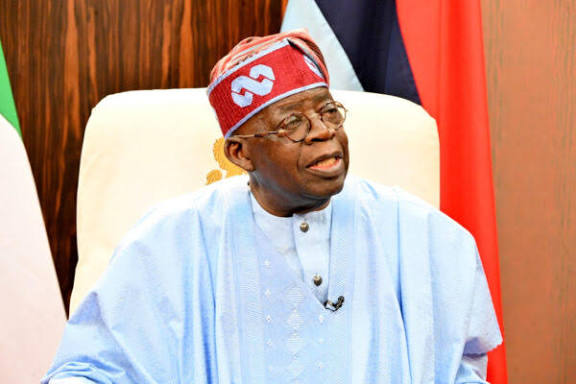
Tinubu Chairs Police Council Meeting, Focuses On Security Reforms and Internal Threats President Bola Ahmed Tinubu on Thursday presided over a crucial meeting of the Nigeria Police Council at the Presidential Villa, Abuja, with discussions focused on tackling the country’s escalating internal security challenges and implementing far-reaching police reforms. The meeting, which began at 2:39
Tinubu Chairs Police Council Meeting, Focuses On Security Reforms and Internal Threats
President Bola Ahmed Tinubu on Thursday presided over a crucial meeting of the Nigeria Police Council at the Presidential Villa, Abuja, with discussions focused on tackling the country’s escalating internal security challenges and implementing far-reaching police reforms.
The meeting, which began at 2:39 p.m., came shortly after the National Council of State session earlier in the day.
It brought together key figures from the security and justice sectors to assess the state of policing and chart a new direction for law enforcement across the country.
Before the Council went into a closed-door session, former Military President Ibrahim Babangida and former Head of State Abdulsalami Abubakar, who participated virtually in the earlier Council of State meeting, exited the session.
Police Command To Enforce Tinted Glass Permit Nationwide From October 2
Also departing were former Chief Justices of Nigeria, Alfa Belgore, Walter Onnoghen, Tanko Muhammad, and Olukayode Ariwoola, as proceedings transitioned from national governance issues to matters of policing.
In attendance were the Inspector-General of Police, Kayode Egbetokun; Chairman of the Police Service Commission, retired Deputy Inspector-General Hashimu Argungu; and other top government and security officials.
The Police Council, as established by the 1999 Constitution, serves as an advisory body to the President on law enforcement matters, particularly regarding the appointment, removal, and oversight of the Inspector-General of Police.
Thursday’s meeting reportedly deliberated on police welfare, discipline, and training, as well as strategies to deepen collaboration between federal and state security agencies.
Members also reviewed national security reports, with attention on banditry, kidnapping, cybercrime, and communal clashes, persistent threats to peace and stability in parts of the country.















Leave a Comment
Your email address will not be published. Required fields are marked with *