
Tinubu Ends 5% Telecom Excise Duty to Ease Burden on Nigerians In a major policy shift, President Bola Ahmed Tinubu has approved the complete scrapping of the controversial 5% excise duty that was previously applied to mobile voice and data services in Nigeria’s telecommunications sector. This announcement was made on Tuesday by the Executive Vice-Chairman
Tinubu Ends 5% Telecom Excise Duty to Ease Burden on Nigerians
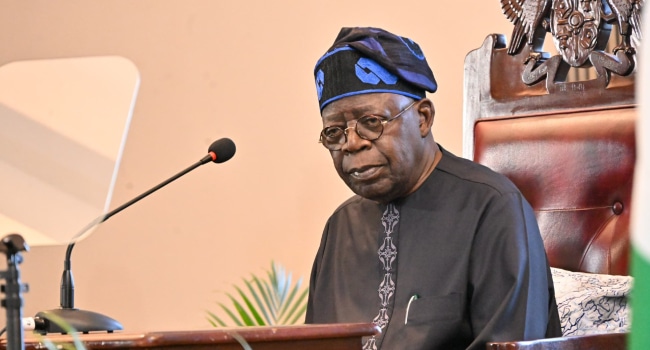
In a major policy shift, President Bola Ahmed Tinubu has approved the complete scrapping of the controversial 5% excise duty that was previously applied to mobile voice and data services in Nigeria’s telecommunications sector. This announcement was made on Tuesday by the Executive Vice-Chairman of the Nigerian Communications Commission (NCC), Aminu Maida, during a media briefing in Abuja.
According to Maida, the levy, which was initially suspended in 2023, has now been fully abolished under Nigeria’s revised tax legislation. The NCC chief explained that this decision reflects the government’s commitment to reducing financial strain on both consumers and businesses within the country’s expanding digital economy.
“The 5% excise duty is no longer in effect,” Maida declared. “Initially, it was only suspended, but the President has now completely removed it. I was present when the issue was raised, and he firmly said, ‘No, we cannot place this burden on Nigerians.’ I was very pleased to see that this directive was upheld in the new legislation.”
Nigeria Government Reviews Political Office Holders’ Pay As Citizens Face Tough Economy
Excise Duty Removal and Its Impact
The now-abandoned telecom excise duty was originally introduced as part of the federal government’s revenue-generation strategy. Its implementation, however, was widely criticized by stakeholders who argued that it would further escalate the already high cost of telecommunications services in Nigeria. With mobile voice and data being essential for both business operations and everyday life, critics warned that the levy would have deepened economic hardship for millions of citizens.
President Tinubu first suspended the tax in July 2023 through a series of executive orders issued shortly after he assumed office. This action was part of a broader fiscal reform agenda designed to reduce multiple tax pressures on households and businesses while encouraging investment and growth in key sectors.
The issue resurfaced in October 2024 when the National Assembly proposed reinstating the excise duty as part of a wider package of revenue-raising measures, which also included taxes on betting, gaming, and lottery services. This move faced stiff opposition from telecom operators, industry associations, and consumer advocacy groups who argued that imposing the duty would stifle Nigeria’s digital growth trajectory.
By fully abolishing the excise levy, Tinubu has not only ended months of uncertainty but also reaffirmed his administration’s stance on prioritizing economic relief measures.
Telecom Sector Welcomes the Decision
Nigeria’s telecommunications sector, one of the fastest-growing industries in the nation, has welcomed the development. The removal of the 5% duty is expected to provide relief to operators who had been concerned about rising operating costs and declining consumer purchasing power.
Analysts note that the telecom sector contributes significantly to Nigeria’s Gross Domestic Product (GDP), accounting for about 14% in recent years. With over 220 million active mobile subscriptions, the industry is considered a backbone of the digital economy. Thus, any policy that affects pricing directly impacts millions of users and the overall economy.
Industry experts believe that removing the excise duty will stimulate increased data consumption, foster innovation, and encourage digital inclusion across rural and urban areas. It is also expected to improve Nigeria’s competitiveness in attracting foreign investment in technology and digital infrastructure.
Balancing Revenue and Economic Growth
While the government’s removal of the telecom excise levy has been widely applauded, it raises questions about how Nigeria plans to balance revenue needs with economic stimulation. The country faces mounting fiscal pressures, with oil revenues fluctuating and rising expenditures on subsidies, infrastructure, and social welfare programs.
The National Assembly had initially argued that reinstating the excise duty was necessary to boost government income. However, critics countered that the levy represented a counterproductive approach, as the resulting higher costs could suppress digital participation and innovation, ultimately slowing economic growth.
Tinubu’s administration appears to have chosen growth over short-term revenue collection, betting that a more vibrant digital economy will, in the long run, generate broader tax revenues through business expansion and employment creation.
The scrapping of the telecom excise duty represents another step in President Tinubu’s broader reform agenda aimed at reducing redundant taxes and streamlining Nigeria’s fiscal framework. The government has repeatedly emphasized its commitment to creating a more business-friendly environment while ensuring that Nigerians are not overburdened by excessive levies.
Moving forward, attention will likely shift to how the government compensates for the forgone revenue while continuing to fund essential services. There is also the challenge of ensuring that the benefits of this policy translate into tangible cost relief for consumers, as telecom operators are now expected to avoid passing unnecessary charges to subscribers.
For millions of Nigerians who rely on mobile voice and data services for business, education, and social interactions, the removal of the excise duty is a welcome relief. It signals a policy direction that prioritizes digital access and inclusivity as central to Nigeria’s economic future.
As the digital economy continues to expand, experts argue that policies like this will be crucial in positioning Nigeria as a leader in Africa’s technology-driven transformation.
In summary, the decision by President Bola Tinubu to abolish the 5% excise duty on telecom services marks a significant victory for consumers and industry players alike. It underscores his administration’s commitment to easing financial pressures, fostering digital growth, and ensuring that fiscal policies align with Nigeria’s broader development objectives.















Leave a Comment
Your email address will not be published. Required fields are marked with *