
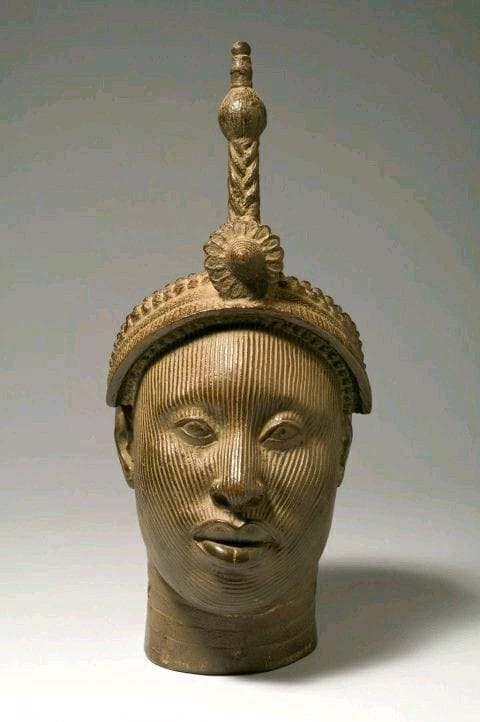
The Legendary Luwo Gbagida of Ile Ife In Yoruba history, few figures stand out as boldly as Luwo Gbagida, the first and only female Ooni of Ife. Her story is one of resilience, innovation, and leadership, breaking barriers in a male-dominated society and leaving a lasting legacy that still resonates today. Luwo Gbagida: Not Ooni,
The Legendary Luwo Gbagida of Ile Ife
In Yoruba history, few figures stand out as boldly as Luwo Gbagida, the first and only female Ooni of Ife. Her story is one of resilience, innovation, and leadership, breaking barriers in a male-dominated society and leaving a lasting legacy that still resonates today.
Luwo Gbagida: Not Ooni, But The 16th Alaafin Of Ile-Ife – Oluwo Of Iwo Clarifies
Early Life and Rise to Power
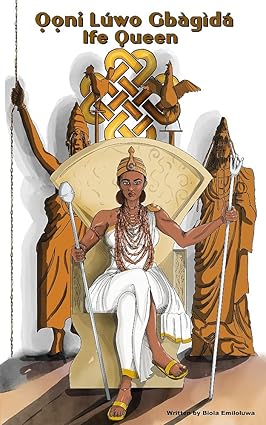
Luwo Gbagida was not just another ruler; she was a trailblazer. She ascended the throne around the 11th century, descending from Ooni Otaataa of the Owode compound in Okerewe, which connected her to the prestigious Lafogido ruling house. Her lineage links back to Oduduwa, the revered ancestor of the Yoruba people.
While details of her early life remain embedded in oral tradition, history records that she married Chief Obaloran of Ilode and gave birth to Adekola Telu, the future founder of Iwo town. Following the death of Ooni Giesi, she was chosen to rule, becoming either the 16th or 21st Ooni, depending on historical sources.
A Visionary Reign
Luwo Gbagida’s reign was remarkable for her groundbreaking achievements. She is credited with pioneering urban infrastructure by introducing road paving with pottery shards, a practice that was both practical and symbolic. This innovation earned her the title of the first road engineer in Yoruba history.
Beyond infrastructure, she demonstrated exceptional military prowess, leading and winning a significant war during her rule. Her strategic mind and governance skills positioned her as a formidable leader, proving that women could thrive in leadership roles within a traditionally patriarchal society.

Her Lasting Cultural and Historical Impact
Luwo Gbagida’s influence extended far beyond her time on the throne. She remains a symbol of female leadership and empowerment in Yoruba culture. Her story serves as a reminder that women have long played crucial roles in governance and societal development.
Her legacy was further honored in 2023 when Oba Abdulrosheed Akanbi, the Oluwo of Iwo, named his daughter after her—a testament to her enduring impact and the respect she still commands in Yoruba history.
Controversies and Historical Debates
Recent discussions, particularly following a 2025 BBC Yoruba documentary, have sparked debates about her exact title and historical records. Some sources claim she was the 16th Alaafin of Ife rather than an Ooni, pointing to inconsistencies in oral traditions and colonial-era documentation. Traditional leaders, including the Oluwo of Iwo, have clarified that her title as “Alaafin” was known as “Olofin” in the Ile-Ife dialect, a distinction often misinterpreted in modern retellings.
Conclusion
Luwo Gbagida’s story is a powerful chapter in Yoruba history, illustrating how a woman defied societal norms to rule with wisdom, strength, and innovation. Her legacy continues to inspire discussions on gender roles, leadership, and historical accuracy. As her tale is passed down through generations, she remains not just a ruler, but a revolutionary figure who reshaped Yoruba history.
















Leave a Comment
Your email address will not be published. Required fields are marked with *